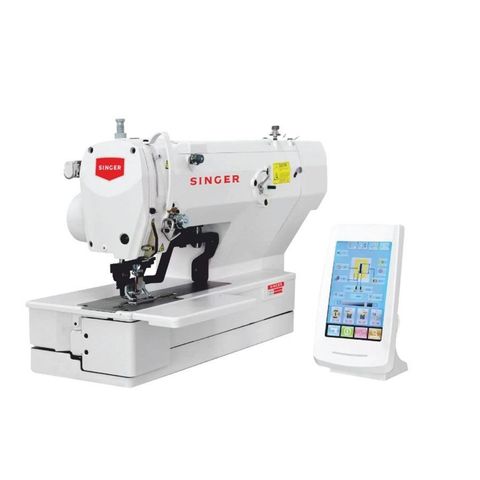
Explore Overlock Machines: An Informative Guide to Functions, Uses, and Details
An overlock machine is a specialized sewing machine designed to stitch, trim, and finish fabric edges in a coordinated operation. It is also commonly called a serger. Unlike a basic straight-stitch machine, an overlock machine can use multiple threads to form a stitch around the edge of fabric while a built-in knife may trim excess material.
The basic purpose of an overlock sewing machine is edge finishing. When fabric is cut, its edges can fray, particularly with woven materials. An overlock stitch encloses or secures the edge, helping create a cleaner and more stable seam.
An industrial overlock machine is generally designed for repeated use in garment and textile production environments. Different configurations can be used for lightweight fabrics, medium-weight materials, stretch fabrics, knitwear, and heavier textile applications.
Common components include:
- Needles for forming the stitch
- Loopers that carry thread around the fabric edge
- Feed dogs that move fabric through the machine
- Thread guides and tension controls
- Presser foot for holding material
- Cutting mechanism on applicable models
- Motor and drive system
- Stitch-length and differential-feed controls
The exact configuration varies according to the machine design and intended application.
How an Overlock Machine Works
An overlock machine combines several operations into a continuous sewing process. As fabric moves through the machine, the needles and loopers interlock threads around the fabric edge. Where a trimming knife is installed, the edge can be cut before or alongside stitch formation.
This process can provide both functional and visual benefits. The finished edge is generally more controlled than an unfinished cut edge, while the seam structure can accommodate the movement of knitted or stretch fabrics.
A simplified workflow is:
| Stage | Main Function |
|---|---|
| Fabric feeding | Moves material through the machine |
| Edge trimming | Removes excess fabric where applicable |
| Needle penetration | Creates needle stitches |
| Looper movement | Forms the overlock structure |
| Thread interlocking | Secures the fabric edge |
| Finished seam | Produces a neat, reinforced edge |
Importance of Overlock Machines in Textile Work
Overlock machines matter because edge finishing is an important part of garment construction. A garment may have correctly positioned panels but still require suitable seam finishing to improve its overall construction.
For manufacturers, production planners, sewing technicians, and garment designers, understanding machine capabilities helps determine which stitch configuration is appropriate for a particular material.
An industrial serger machine can be particularly useful when consistent edge finishing is required across repeated production operations. A professional overlock machine may also be used in specialized sewing environments where stitch quality and controlled fabric handling are important.
Overlock machines are commonly associated with:
- T-shirt and knitwear construction
- Sportswear and activewear
- Underwear and lingerie construction
- Children's garments
- Woven garment finishing
- Seam-edge reinforcement
- Decorative edge treatments
- Textile sample development
- Apparel alterations and finishing
The correct machine setup depends on fabric thickness, stretch characteristics, thread selection, stitch type, and the required seam structure.
Types and Stitch Configurations
Overlock machines are available in several configurations. The number of threads is one of the most visible differences, but thread count alone does not determine suitability.
Two-thread configurations: These can be used for selected lightweight edge-finishing applications and may consume less thread.
Three-thread configurations: These are commonly associated with edge finishing and can be useful when a full seam structure is not required.
Four-thread configurations: These can provide a stronger seam structure and are widely associated with garment construction.
Five-thread configurations: These combine overedge finishing with a stronger seam construction and can be useful for certain production applications.
Some machines also provide differential feed. This feature changes the relative movement of the front and rear feed mechanisms, which can help manage fabrics that stretch, contract, or require controlled gathering.
Industrial, Commercial, and Professional Applications
The terms industrial overlock machine, commercial overlock machine, and professional overlock machine can overlap in everyday usage, but they may describe different intended environments.
Industrial models are typically designed around repetitive operation, specialized stitch requirements, and integration into production workflows. Commercial applications may include tailoring units, alteration environments, and other professional textile settings.
Professional machines can include equipment intended for experienced operators who need greater control over stitch formation, fabric handling, or specialized finishing.
Rather than selecting a machine based only on its name, users should consider the actual application, including fabric type, seam construction, operating frequency, stitch requirements, and available workspace.
Factors That Affect Stitch Quality
Good overlock performance depends on several interacting factors. Thread tension is particularly important because excessive or insufficient tension can affect stitch balance.
Other important factors include:
- Needle type and size
- Thread quality and compatibility
- Fabric thickness
- Fabric elasticity
- Stitch length
- Differential-feed setting
- Presser-foot pressure
- Threading accuracy
- Needle condition
- Machine cleanliness
For stretch fabrics, differential feed can help control unwanted stretching or puckering. For lightweight fabrics, excessive pressure or inappropriate settings may distort the material.
A consistent setup procedure is therefore important when changing from one fabric category to another.
Recent Developments and Trends
Over the past year, textile machinery development has continued to emphasize automation, operator assistance, energy efficiency, and greater process control. Modern industrial sewing environments increasingly combine mechanical sewing systems with electronic controls and production-monitoring technologies.
Another continuing trend is the use of specialized machines for specific fabric categories rather than relying on one machine for every operation. This reflects the increasing variety of technical textiles, knitted materials, performance fabrics, and specialized apparel.
In India, the Bureau of Indian Standards continues to maintain and update standards relevant to sewing and machinery safety. BIS documentation identifies IS 16504 (Part 31):2019, based on IEC 60204-31, as a standard covering electrical equipment requirements specifically for sewing machines, units, and systems.
BIS also published updated implementation guidance for IS 15449 (Part 1):2024 in January 2025, with implementation of the revised household zig-zag sewing-machine standard scheduled by May 12, 2025. This particular standard concerns household zig-zag machines rather than industrial overlock machines, but it illustrates the continuing development of sewing-machine standards in India.
Laws, Standards, and Policies in India
For users and organizations working with sewing machinery in India, compliance depends on the specific equipment and applicable regulation.
The Sewing Machines (Quality Control) Order, 2021 established compulsory conformity requirements for specified sewing-machine products covered by the order. BIS lists the relevant household zig-zag sewing-machine standard under its compulsory certification framework.
It is important not to assume that every type of industrial overlock machine is automatically covered by the same requirement. Applicability should be checked against the current BIS product scope, applicable Indian Standards, and relevant government notifications.
BIS provides a Know Your Standard portal where standards can be searched using an Indian Standard number or product keyword. The portal can provide information about standards, amendments, testing laboratories, and related certification details.
For machinery safety, BIS also maintains certification information under Scheme-X and related machinery regulations. The regulatory position can change, so manufacturers and technical teams should verify the current requirements before applying a standard to a particular machine.
Helpful Tools and Resources
Several resources can support technical understanding and day-to-day machine operation.
BIS Know Your Standard: Useful for locating Indian Standards and related documents by product name or IS number.
BIS Product Certification Resources: Helpful for understanding compulsory certification, conformity assessment, and applicable quality-control requirements.
Machine manuals and threading diagrams: Manufacturer documentation can help identify thread paths, needle positions, stitch settings, and maintenance requirements.
Fabric and thread reference charts: These can help operators match thread type, needle specifications, and machine settings to different fabric categories.
Maintenance checklists: A basic checklist can cover cleaning, needle inspection, thread-path inspection, lubrication where applicable, and checking the cutting mechanism.
Stitch samples: Maintaining labeled fabric samples can help operators compare stitch formation when settings are changed.
Common Maintenance Practices
Regular maintenance supports consistent machine operation. The precise maintenance schedule should always follow the machine's technical documentation.
Useful practices include:
- Cleaning lint and fabric debris from accessible areas
- Checking needles for bending or damage
- Inspecting thread guides and tension components
- Checking the condition of the cutting mechanism
- Keeping the machine correctly threaded
- Checking unusual vibration or noise
- Following the manufacturer's lubrication instructions
- Periodically verifying stitch formation
Maintenance is especially relevant in environments where machines operate for extended periods because accumulated lint and incorrect adjustments can affect performance.
Frequently Asked Questions
What is an overlock machine used for?
An overlock machine is mainly used to finish fabric edges and construct or reinforce seams. It can combine stitching and edge trimming in a single operation on suitable machine configurations.
What is the difference between an overlock machine and a serger?
In most sewing contexts, “overlock machine” and “serger” refer to the same general type of machine. Terminology can vary by region and manufacturer.
How many threads does an industrial overlock machine use?
The number varies by machine configuration. Common configurations include three, four, and five threads, while specialized machines may use other arrangements.
Can an overlock machine sew stretch fabric?
Yes. Overlock machines are widely used with knitted and stretch fabrics. Differential feed and appropriate thread, needle, and tension settings can help manage fabric movement.
Is an industrial overlock machine suitable for every fabric?
No. Machine specifications and settings differ according to fabric weight, structure, elasticity, and intended stitch. A machine designed for lightweight material may not be appropriate for heavy fabric, and vice versa.
Conclusion
Overlock machines play an important role in fabric edge finishing and garment construction. Their ability to combine thread interlocking, edge control, and, on suitable models, trimming makes them different from conventional straight-stitch sewing machines.
Understanding thread configurations, differential feed, machine components, fabric compatibility, maintenance, and safety requirements can help users make informed technical decisions. For industrial and professional applications, the appropriate machine configuration should be determined by the material, stitch requirements, production process, and applicable standards.
In India, BIS standards and government quality-control requirements provide an important regulatory reference for relevant sewing-machine products. Because standards and regulations can change, checking current BIS information is advisable when assessing compliance for a specific machine or application.

Related Post...

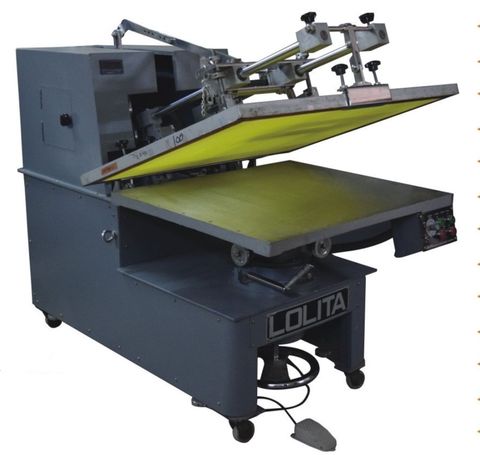
Learn About Screen Printing Machines: An Informative Overview of Method, Use, and Technique
Updated: November 04, 2026
Read More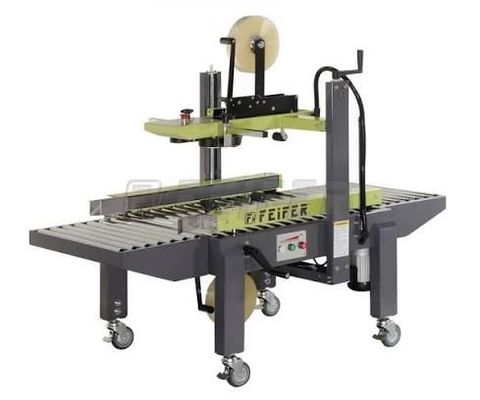
Explore Carton Sealing Machines: A Complete Guide to Types, Features, and Application
Updated: November 03, 2026
Read More
Explore Chocolate Coating Machines: A Complete Guide to Types, Features, and Applications
Updated: November 02, 2026
Read More