Explore Smart Energy Plants: A Complete Guide to Technology, Benefits, and Applications.
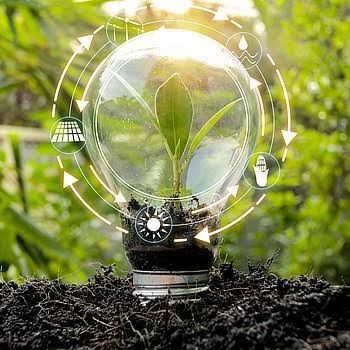
Smart energy plants are energy facilities that combine electricity generation, digital monitoring, automation, and energy management to improve how power is produced, stored, distributed, and used. They may include solar panels, wind turbines, battery storage, smart meters, sensors, control software, and connections to the electricity grid.
Traditional power facilities often depend on centralized generation and conventional monitoring systems. Smart energy plants use connected technologies to provide more detailed information about electricity production and consumption. Depending on their design, these systems can help operators identify equipment problems, coordinate different energy sources, and manage changing electricity demand.
A smart energy plant does not necessarily generate all its electricity from renewable sources. It may combine renewable energy, grid electricity, conventional generation, and energy storage to maintain a reliable supply.
How smart energy plants work
A typical smart energy system follows a connected process:
Generate electricity: Solar panels, wind turbines, or other generators produce electrical power.
Monitor performance: Sensors and meters measure production, consumption, equipment conditions, and grid characteristics.
Analyze information: Energy management software identifies demand patterns and helps operators make informed decisions.
Store surplus electricity: Battery systems can retain electricity for later use when suitable operating conditions exist.
Coordinate distribution: Controllers manage the flow of electricity between generation equipment, storage, facilities, and the grid.
The exact arrangement depends on the facility's size, energy requirements, location, and technical design.
Why Smart Energy Plants Matter Today
Electricity demand is changing as industries expand, buildings become more connected, electric vehicles increase in number, and digital infrastructure grows. At the same time, countries are integrating more renewable electricity into their power systems.
Smart energy plants can help address challenges involving energy visibility, variable renewable generation, equipment performance, and electricity supply coordination.
Industrial energy management systems
Industrial energy management systems help factories and large facilities measure and control electricity consumption. They can combine smart meters, sensors, dashboards, and automated controls to show where energy is being used and when demand is highest.
For example, a manufacturing facility may monitor electricity use across production lines, compressors, pumps, lighting, and cooling equipment. Comparing these measurements can help identify unusual consumption patterns or equipment that requires attention.
Common applications include:
Monitoring electricity consumption in real time.
Identifying periods of high demand.
Scheduling suitable energy-intensive processes.
Tracking equipment performance.
Measuring energy efficiency improvements.
Preparing energy reports for operational planning.
These systems support better-informed decisions, although actual improvements depend on equipment condition, operating practices, and the accuracy of the collected data.
Commercial solar power systems
Commercial solar power systems use photovoltaic panels to convert sunlight into electricity for offices, warehouses, shopping centers, hospitals, educational institutions, and other facilities.
Electricity can be consumed directly at the site, stored in batteries where appropriate, or exported to the grid when the applicable connection and regulatory arrangements permit it.
Commercial solar installation requires careful assessment of roof strength, available space, shading, electrical infrastructure, safety requirements, and local grid connection rules. The amount of electricity generated also varies with sunlight, weather, panel orientation, and system performance.
Smart grid technology solutions
Smart grid technology solutions use digital communication, monitoring, and control systems to improve electricity network operation. They can help utilities and energy operators understand changing demand, identify certain network problems, and coordinate electricity flows.
Examples include smart meters, automated substations, grid sensors, advanced distribution management systems, and demand-response platforms.
Smart grids are particularly important when electricity networks receive power from many distributed sources, including rooftop solar installations, battery systems, and small renewable energy plants.
Industrial and commercial battery storage
Industrial energy storage systems and commercial battery energy storage systems store electricity for later use. Lithium-ion batteries are widely used, although other technologies, including flow batteries and pumped-storage systems at larger scales, also have important applications.
Battery storage can help shift electricity use across time, support certain backup requirements, and provide grid services when designed and authorized for those purposes.
Storage does not create energy. Its usefulness depends on battery capacity, charging opportunities, efficiency losses, safety controls, operating conditions, and the facility's electricity needs.
Applications and Benefits of Smart Energy Plants
Smart energy plants are used in industrial, commercial, institutional, and utility-scale environments. Their benefits depend on the technology installed and how well it matches actual electricity requirements.
Application | Technology used | Main purpose |
|---|---|---|
Factories | Industrial energy management systems | Monitor energy use and improve operational efficiency |
Offices and warehouses | Commercial solar power systems | Generate electricity for on-site consumption |
Large industrial facilities | Battery storage and automated controls | Manage electricity demand and support continuity |
Electricity networks | Smart grid technology solutions | Improve monitoring and coordinate power distribution |
Remote communities | Microgrid energy management systems | Coordinate local generation, storage, and electricity demand |
Renewable energy projects | Renewable energy infrastructure solutions | Connect generation facilities to the electricity network |
Microgrid energy management systems
A microgrid is a localized electricity network that can coordinate distributed generation, storage, and connected loads. Some microgrids can disconnect from the main electricity grid and operate independently for a limited period when appropriately designed and equipped.
For example, a hospital campus or remote industrial facility may combine solar generation, batteries, and backup generators. A microgrid controller coordinates these resources according to electricity demand, equipment availability, and safety requirements.
Key benefits and limitations
Potential benefits include:
Better visibility into electricity generation and consumption.
Improved coordination of renewable energy and battery storage.
Earlier identification of certain equipment problems.
Greater flexibility in managing changing electricity demand.
Support for electricity continuity when suitable backup systems are available.
Better information for planning maintenance and energy efficiency improvements.
However, smart energy plants also require reliable communications, cybersecurity, trained operators, equipment maintenance, and careful system integration. Batteries have finite capacity and operating lives, while solar generation depends on available sunlight. No single technology guarantees uninterrupted electricity or eliminates environmental impacts.
Recent Developments in Smart Energy Technology
India's power sector has increasingly focused on integrating renewable electricity with storage, digital monitoring, and stronger transmission infrastructure.
3 February 2026: Energy storage planning
The Ministry of New and Renewable Energy reported that the Central Electricity Authority's Optimal Generation Mix 2030 assessment estimated a storage requirement of 60.63 GW by 2029–30, comprising 41.65 GW of battery energy storage systems and 18.98 GW of pumped-storage projects. These are planning estimates, not installed-capacity figures.
23 March 2026: Grid modernization
The Ministry of Power described measures to expand transmission infrastructure, deploy smart grid technologies, improve renewable energy forecasting, and develop energy storage. The announcement also discussed transmission planning to integrate more than 500 GW of renewable energy capacity by 2030.
21 January 2026: Draft National Electricity Policy
The Government of India released a draft National Electricity Policy 2026 for public consultation. Proposed measures included improved resource planning, greater renewable energy and storage integration, enhanced grid operations, and stronger cybersecurity. Because it was published as a draft, its proposals should not be treated as automatically finalized policy.
These developments highlight the growing importance of energy storage, grid automation, and digital energy management in supporting a more flexible electricity system.
Laws, Policies, and Regulations in India
Smart energy plants must comply with applicable electricity, safety, environmental, and grid-connection requirements. Specific obligations depend on whether a project generates electricity, stores it, exports power, or operates as part of an industrial facility.
Important regulatory frameworks include:
Electricity Act, 2003: Establishes the legal framework for electricity generation, transmission, distribution, and regulation.
Energy Conservation Act, 2001: Provides a framework for energy efficiency and related requirements, including measures applicable to designated consumers.
Central Electricity Authority regulations: Establish technical and safety requirements relevant to electricity systems and grid connectivity.
Renewable energy and storage guidelines: Government policies address renewable energy integration, battery storage development, and grid infrastructure.
State electricity regulations: State regulators and distribution companies determine applicable arrangements for grid connection, metering, electricity export, and open access.
India's Green Energy Corridor initiatives support transmission infrastructure for renewable electricity. Battery energy storage development is also supported through national guidelines and schemes, subject to their eligibility conditions.
Before developing a project, operators should review current rules, electrical safety standards, fire protection requirements, environmental permissions, and applicable state regulations.
Tools and Resources for Learning
The following official resources help readers research smart energy technology and understand current policies.
Ministry of New and Renewable Energy:renewable energy policies, technology updates, and energy storage guidelines.
Ministry of Power:national electricity policies and power-sector developments.
Central Electricity Authority: electricity planning, technical regulations, and grid-related reports.
Bureau of Energy Efficiency: energy efficiency information, standards, and educational material.
National Institute of Solar Energy: solar energy research and technical information.
A basic energy assessment can also help facilities understand their requirements. Useful records include monthly electricity consumption, peak demand, operating schedules, equipment ratings, solar generation estimates, and battery charging patterns.
Frequently Asked Questions
What is a smart energy plant?
A smart energy plant combines energy generation, digital monitoring, automated controls, and sometimes energy storage to coordinate electricity production and consumption.
How do commercial solar power systems work?
Solar photovoltaic panels convert sunlight into electricity. The electricity may be used on-site, stored in a compatible battery system, or exported to the grid under applicable arrangements.
Why are industrial energy management systems important?
They help operators monitor electricity consumption, identify unusual demand patterns, assess equipment performance, and make informed decisions about energy efficiency.
What is the difference between a smart grid and a microgrid?
A smart grid uses digital technologies to monitor and manage a wider electricity network. A microgrid is a localized network that coordinates local generation, storage, and electricity demand and may operate independently if designed for that purpose.
Can battery storage provide continuous electricity?
Battery storage can support electricity continuity, but its duration depends on usable capacity, demand, charging availability, and system design. Extended interruptions may require additional generation or other backup arrangements.
Conclusion
Smart energy plants combine renewable generation, energy storage, digital monitoring, and intelligent electricity management. Technologies such as commercial solar power systems, industrial energy management systems, smart grids, and microgrid controllers can help facilities understand their energy use and coordinate electricity resources more effectively.
Their successful implementation depends on suitable engineering, reliable infrastructure, regulatory compliance, cybersecurity, and ongoing maintenance. As India modernizes its electricity network and expands renewable energy, smart energy technologies are becoming an increasingly important part of energy planning.
Understanding these systems helps businesses, students, facility operators, and communities make informed decisions about electricity generation, storage, and responsible energy use.

Related Post...

Explore Smart Energy Plants: A Complete Guide to Technology, Benefits, and Applications.
Updated: October 19, 2026
Read More
Understanding the Internet of Things: Informative Tips, Helpful Resources, and Expert Advice
Updated: October 19, 2026
Read More