Explore Art Gallery Display Pedestals: A Complete Guide to Types, Designs, and Uses
Art gallery display pedestals are raised platforms used to present sculptures, artifacts, decorative objects, models, and other three-dimensional works. They help position an object at a suitable viewing height, distinguish it from surrounding displays, and organize exhibition spaces.
These structures are common in art galleries, museums, cultural institutions, exhibition halls, retail environments, and educational settings. Their design varies according to the object being displayed, the surrounding architecture, visitor movement, and the requirements of the exhibition.
A pedestal may be a simple rectangular block, a cylindrical platform, a stepped structure, or a specialized support designed for a particular object. Materials can include wood, metal, acrylic, stone, and composite panels.
Museum display pedestals have an important role in presenting cultural and historical objects. They must support the weight of an exhibit while considering its stability, security, and conservation requirements. Some objects may also require protective enclosures, specialized mounts, or environmental controls.
Art gallery display pedestals generally emphasize the visual relationship between an artwork and its surroundings. A carefully selected platform can help visitors focus on the artwork without distracting from its shape, texture, color, or artistic details.
Types of Display Pedestals and Their Applications
Different pedestal designs address different presentation needs. Selecting an appropriate type depends on the object's dimensions, weight, material, exhibition duration, and intended viewing experience.
Rectangular and square pedestals
Rectangular and square pedestals are widely used because their straightforward shapes fit many exhibition layouts. They can support sculptures, pottery, small installations, and decorative objects.
Their flat surfaces provide a stable base when correctly engineered. Multiple pedestals of different heights can also create visual variation throughout a gallery.
Cylindrical display pedestals
Cylindrical pedestals are often used for rounded sculptures, ceramic objects, and decorative pieces. Their curved sides create a softer visual appearance than angular platforms.
They can be especially useful when visitors are expected to view an object from several directions. However, the platform's dimensions and structural strength must be appropriate for the object being displayed.
Custom display pedestals
Custom display pedestals are designed around specific requirements, such as unusual object dimensions, irregular shapes, weight distribution, or a particular exhibition theme.
They may incorporate concealed supports, cable management, integrated lighting, or attachment points for specialized mounts. Their design should be developed with attention to stability, accessibility, maintenance, and conservation needs.
Wooden display pedestals
Wooden display pedestals can complement traditional galleries, contemporary interiors, craft exhibitions, and decorative collections. Common construction options include solid timber, plywood, and engineered wood panels.
Finishes range from natural wood grain to painted or laminated surfaces. Material selection should consider strength, moisture sensitivity, surface durability, and possible chemical emissions that could affect sensitive collections.
Metal and acrylic pedestals
Metal pedestals are useful when strength, durability, or a slim structural profile is important. Acrylic pedestals create a visually light appearance and can help keep attention on the displayed object.
Both require appropriate engineering and maintenance. Acrylic can scratch, while metal finishes may require protection against corrosion depending on the environment.
The following table summarizes common types and their typical applications.
| Pedestal type | Common applications | Main consideration |
|---|---|---|
| Square or rectangular | Sculptures, pottery, models | Proportions and stability |
| Cylindrical | Rounded sculptures, decorative objects | Base strength and viewing angles |
| Wooden | Crafts, galleries, heritage displays | Finish and material compatibility |
| Metal | Heavy objects, modern exhibitions | Structural strength and finish |
| Acrylic | Contemporary art and lightweight objects | Scratches and load limits |
| Custom-designed | Unusual or specialized exhibits | Object-specific engineering |
These categories can overlap. For example, a custom pedestal may use a wooden exterior with a metal support structure.
Why Display Pedestals Matter Today
Display pedestals influence how people experience an exhibition. Their role extends beyond raising an object above floor level; they contribute to visual organization, visitor movement, safety, and interpretation.
Improving visibility and presentation
The height and proportions of a pedestal influence how an object is seen. A platform that is too low may make details difficult to observe, while an excessively tall structure may distort the intended viewing experience.
Appropriate positioning helps visitors examine objects comfortably and understand their scale and form. Consistent pedestal designs can also create visual order across a gallery.
Supporting object safety and conservation
Museum display furniture must provide reliable support and reduce the risk of accidental movement or damage. Heavy or fragile objects may need engineered supports, discreet restraints, or conservation-approved mounting systems.
Material choice is also important. Certain paints, adhesives, sealants, and wood products may release chemicals that are unsuitable for sensitive collections. Museums should assess these materials before placing them near vulnerable objects.
Supporting different exhibition environments
Display pedestals are used in permanent galleries, temporary exhibitions, trade shows, educational displays, and retail interiors.
Retail display fixtures often prioritize visibility, product organization, and customer movement. Museum installations may place greater emphasis on preservation, historical context, security, and interpretation.
Exhibition display stands can also help organize a sequence of objects, separate exhibition themes, and guide visitors through a space.
Improving accessibility and visitor movement
Exhibition layouts should account for wheelchair users, children, older visitors, and people with different mobility needs. Pedestals should not obstruct circulation routes or create unexpected hazards.
Clear pathways, suitable viewing heights, readable labels, and appropriate spacing help make exhibitions easier to navigate. Accessibility needs should be considered during the planning stage rather than addressed only after installation.
Recent Updates and Trends in Museum and Gallery Display Design
During 2025 and 2026, exhibition planning has increasingly emphasized sustainability, accessibility, flexible layouts, and visitor experience.
Sustainable exhibition design: On 2 February 2026, the Museums Association published guidance on sustainable exhibitions, highlighting material selection, reuse, storage planning, and reducing waste from temporary displays. Reusable modular pedestals can support these goals when their design meets the requirements of different exhibitions.
Accessible exhibition spaces: Museums are giving greater attention to inclusive layouts, clear sightlines, accessible interpretation, and comfortable visitor movement. These considerations influence pedestal height, spacing, background contrast, and the positioning of display labels.
Digital and interactive interpretation: Digital labels, QR codes, audio guides, and interactive displays can provide additional information about artworks without overcrowding physical exhibition spaces.
Flexible display systems: Modular pedestals and interchangeable components can help institutions adapt galleries to different collections and exhibition themes.
These developments are design trends rather than universal requirements. Each exhibition should balance visitor experience with object safety, conservation, and the practical limits of its space.
Laws, Policies, and Accessibility Guidelines in India
In India, museum and gallery design can be influenced by accessibility requirements, building regulations, fire safety provisions, conservation principles, and institutional policies.
Rights of Persons with Disabilities Act, 2016: This legislation establishes a framework for accessibility and the rights of persons with disabilities. Relevant accessibility standards and rules should be considered when planning public exhibition spaces.
Culture-sector accessibility guidelines: The Ministry of Culture has issued accessibility standards and guidelines for museums, monuments, libraries, and related cultural environments. These address visitor access and the presentation of exhibits.
Building and fire safety requirements: Exhibition layouts should comply with applicable local building rules, emergency exit requirements, and fire safety provisions. Pedestals must not obstruct circulation or evacuation routes.
Conservation practices: Museums should consider object stability, lighting, humidity, temperature, and potentially harmful display materials. Requirements vary according to the collection and the sensitivity of individual objects.
Institutions should consult current official guidelines and qualified professionals when planning installations, since applicable requirements depend on the venue and type of exhibit.
Tools and Resources for Display Planning
The following resources can help curators, designers, students, and exhibition planners develop informed display plans.
Ministry of Culture, Government of India: Official information about museums, cultural programs, and institutional developments.
National Museum, New Delhi: Information about collections, exhibitions, and museum interpretation.
National Portal of India: A starting point for locating official government information and regulations.
Autodesk: Information about computer-aided design tools used for planning layouts and preparing technical drawings.
SketchUp: A 3D modeling platform that can help visualize pedestal proportions and gallery arrangements.
Collections Trust: Guidance and resources related to museum collections management.
Practical display-planning checklist
Before selecting a pedestal, consider the following:
Measure the artwork and determine its weight.
Choose a stable base and an appropriate platform size.
Select materials suitable for the object and exhibition environment.
Check viewing height, lighting, and visitor circulation.
Assess accessibility and potential trip hazards.
Plan cleaning, inspection, and maintenance.
Consider whether the pedestal can be reused in future exhibitions.
Frequently Asked Questions
What are art gallery display pedestals used for?
They raise sculptures, artifacts, and decorative objects to improve visibility, organize exhibition layouts, and provide suitable support for three-dimensional artworks.
Which materials are commonly used for museum display pedestals?
Wood, metal, acrylic, and engineered panels are common options. The appropriate material depends on structural requirements, appearance, durability, and conservation considerations.
How do custom display pedestals differ from standard designs?
Custom display pedestals are developed for specific object dimensions, shapes, mounting requirements, or exhibition layouts. Standard designs generally use common shapes and dimensions.
Are wooden display pedestals suitable for museums?
Yes, when properly designed and finished. Museums should assess structural stability, moisture sensitivity, coatings, adhesives, and potential chemical emissions before using wooden pedestals near sensitive objects.
How can exhibition display stands improve accessibility?
Appropriate heights, clear pathways, stable structures, readable labels, and suitable spacing can help visitors view exhibits comfortably and navigate the exhibition safely.
Conclusion
Art gallery display pedestals and museum display furniture play an important role in presenting artworks, preserving objects, and organizing visitor experiences. Different types, including wooden, metal, acrylic, and custom display pedestals, address different requirements.
Effective exhibition planning considers more than appearance. Stability, material compatibility, accessibility, lighting, maintenance, and visitor movement all contribute to a successful display.
By understanding pedestal designs, current exhibition trends, relevant guidelines, and practical planning tools, galleries and museums can create displays that are informative, accessible, adaptable, and respectful of the objects they present.

Related Post...
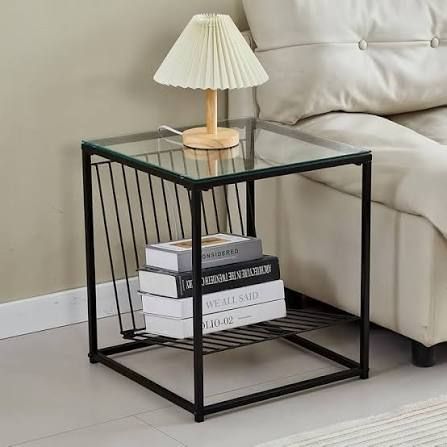
Explore Glass-Top Bedroom Nightstands: A Complete Guide to Styles, Features, and Essential Details
Updated: October 23, 2026
Read More
Explore Art Gallery Display Pedestals: A Complete Guide to Types, Designs, and Uses
Updated: October 23, 2026
Read More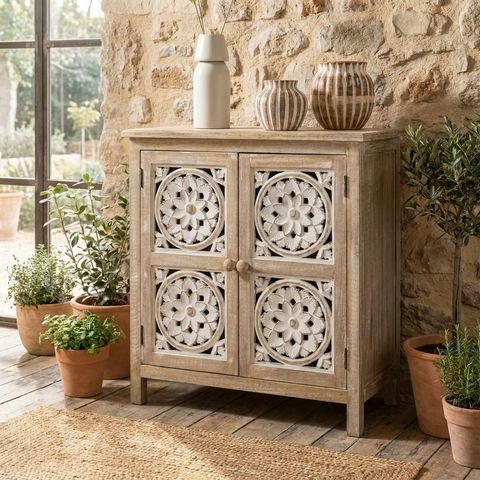
Discover Handmade Wooden Entry Chest Units: Helpful Tips, Practical Advice, and Essential Details.
Updated: October 19, 2026
Read More