Explore Bottle Washing Machines: A Complete Guide to Types, Features, and Applications
Bottle washing machines are specialized systems designed to clean bottles before they are filled, reused, inspected, or prepared for further processing. They are used in industries where container cleanliness is important, including beverages, food processing, pharmaceuticals, cosmetics, and chemical manufacturing.
Bottles can collect dust, residue, labels, microorganisms, and other contaminants during storage, transportation, or previous use. Manual cleaning may be practical for small quantities, but larger operations often require controlled washing processes to maintain consistent cleaning standards.
An industrial bottle washing machine uses combinations of water, cleaning agents, pressure, temperature, rinsing, and mechanical movement to remove unwanted material from containers. The exact process depends on the bottle material, shape, contamination level, and intended application.
Bottle washing technology ranges from simple rinsing equipment to automated systems integrated into production and packaging lines. Understanding these differences helps businesses and technical professionals identify the appropriate equipment for their operational requirements.
Why Bottle Washing Machines Matter
Clean containers help protect product quality, support hygiene procedures, and reduce the risk of contamination during manufacturing and packaging. Bottle washing is particularly important when containers are reused or when the final product requires controlled cleanliness.
Several industries depend on reliable bottle cleaning processes:
Beverage manufacturing: Cleans reusable glass bottles and prepares suitable containers for filling.
Food processing: Removes residues and particles from containers used for sauces, oils, and other food products.
Pharmaceutical manufacturing: Supports controlled cleaning procedures for bottles used for medicines and healthcare preparations.
Cosmetics production: Helps prepare containers for lotions, creams, shampoos, and similar products.
Chemical manufacturing: Cleans compatible containers according to the chemical residues and safety requirements involved.
Hospitality and commercial facilities: Uses bottle washing equipment where reusable containers must be cleaned efficiently.
An automatic bottle washing machine can reduce repetitive manual handling and provide more consistent control over washing cycles. However, automation alone does not guarantee effective sanitation. Results depend on equipment design, operating conditions, water quality, cleaning procedures, and verification.
Main Types of Bottle Washing Machines
Different bottle washing systems serve different production volumes, container materials, and cleaning requirements.
Rotary Bottle Washing Machines
Rotary systems move bottles through washing stations using a rotating mechanism. Bottles may pass through pre-rinsing, washing, and final-rinsing stages during a continuous or indexed cycle.
Common characteristics include:
Multiple bottle positions.
Repeated washing stages.
Integration with production lines.
Suitability for selected glass or compatible plastic containers.
These systems are frequently used in beverage and packaging operations that process substantial quantities of bottles.
Automatic Bottle Washing Machines
An automatic bottle cleaning machine uses programmed controls and mechanical handling to carry out selected cleaning stages with limited manual intervention.
Depending on its design, the equipment may include automatic loading, bottle positioning, internal rinsing, external washing, drainage, and unloading.
Important features may include programmable controls, sensors, adjustable cycle settings, and monitoring systems. The level of automation varies by model.
Linear Bottle Washing Machines
Linear machines move bottles along a straight path through separate washing stations. Their modular arrangement can make inspection, adjustment, and maintenance more accessible.
They may be suitable for small or medium production lines, specialized containers, or applications requiring different washing stages.
Commercial Bottle Washing Equipment
Commercial systems are designed for settings such as beverage operations, food preparation facilities, laboratories, and other environments that handle reusable containers.
Equipment varies in capacity and cleaning method. Some systems focus on rinsing, while others combine washing, sanitizing, and drying functions where required.
Specialized Pharmaceutical Bottle Washers
Pharmaceutical bottle washing systems are designed around container specifications, contamination controls, and documented cleaning procedures.
Depending on the application, they may incorporate purified water, controlled rinsing stages, validated operating parameters, and cleanroom-compatible construction. The appropriate design depends on the pharmaceutical process and applicable regulatory requirements.
Key Features and Technical Specifications
When evaluating an industrial bottle washer, technical features should be considered in relation to the actual cleaning task rather than viewed as isolated advantages.
| Feature | Purpose |
|---|---|
| Washing capacity | Indicates the number of containers processed during a specified period. |
| Water pressure | Helps remove particles and residues from suitable bottle surfaces. |
| Temperature control | Maintains specified washing conditions when heated water is required. |
| Cleaning-agent compatibility | Supports the removal of particular residues without damaging containers. |
| Bottle-size adjustment | Accommodates approved variations in container dimensions. |
| Programmable controls | Helps maintain repeatable operating cycles. |
| Filtration systems | Can remove selected particles from recirculated washing water. |
| Safety interlocks | Help prevent access to hazardous moving or heated components. |
| Drainage and drying | Reduce retained water when required by the next production stage. |
| Inspection and monitoring | Help operators identify process deviations and maintenance needs. |
Capacity should be assessed using the intended bottle size, loading arrangement, and complete cycle time. A machine's stated maximum throughput may not represent its actual performance under every operating condition.
Compatibility is equally important. Glass bottles can tolerate certain mechanical and thermal conditions that may damage some plastics. Container shape, neck diameter, surface coatings, labels, and chemical residues also influence machine selection.
How Bottle Washing Machines Work
Although designs differ, many bottle washing systems follow a sequence of related steps.
Loading and positioning: Bottles enter the equipment and are aligned for cleaning.
Pre-rinsing: Loose particles and some surface residues are removed.
Main washing: Water, suitable cleaning agents, temperature, and mechanical action help remove remaining contaminants.
Rinsing: Residual cleaning agents and loosened material are removed using the specified rinse process.
Draining or drying: Remaining liquid is allowed to drain or is removed using an appropriate drying method.
Inspection: Containers may be checked for visible residues, damage, or other defects before further processing.
Not every machine includes all these stages. The required sequence depends on the container, residue, product, and applicable hygiene standards.
Cleaning and sanitizing are not identical. Cleaning removes unwanted material, while sanitizing or disinfection uses a suitable process to reduce microorganisms to a defined level. Where sterility is required, additional validated procedures may be necessary.
Recent Updates and Trends in Bottle Washing Technology
Bottle washing equipment is evolving as manufacturers focus on water efficiency, energy consumption, automation, and flexible production systems.
Developments announced in September 2025
On 15 September 2025, packaging equipment manufacturer Krones announced its Lavasonic HI bottle washer, which uses ultrasound technology and a high-intensity module. The company reported potential reductions in treatment time, energy demand, fresh-water consumption, and carbon footprint compared with its stated reference process. These figures are manufacturer-reported results and may vary with operating conditions.
Important industry trends
Water conservation: Improved rinsing arrangements, filtration, and water recirculation can help reduce freshwater use when appropriately designed.
Automation and monitoring: Sensors and programmable controls help operators monitor temperature, cycle duration, and selected process parameters.
Flexible production: Adjustable bottle handling systems help accommodate different container sizes and formats.
Predictive maintenance: Equipment monitoring can help identify developing faults before they cause unexpected interruptions.
Compact equipment design: Smaller footprints can help integrate bottle washers into facilities with limited production space.
These developments do not mean every machine offers the same capabilities. Performance should be assessed using documented technical specifications and trials relevant to the intended application.
Laws, Hygiene Standards, and Policies in India
Bottle washing equipment used in food and beverage manufacturing must support applicable food safety and hygiene requirements. The precise obligations depend on the product, container, facility, and intended use.
Food Safety and Standards Act, 2006
India's Food Safety and Standards Authority of India (FSSAI) regulates food safety under the Food Safety and Standards Act, 2006, and related regulations. Food businesses must follow applicable hygiene, manufacturing, and packaging requirements.
Food Safety and Standards (Packaging) Regulations, 2018
These regulations address food-contact packaging materials and container suitability. They include requirements relevant to reused glass bottles and certain reusable plastic containers, which must be durable and suitable for cleaning or disinfection. A bottle washing machine does not, by itself, establish regulatory compliance.
Good manufacturing and hygiene practices
Depending on the facility and product, relevant practices may include:
Using appropriate water quality for the final rinse.
Preventing cleaned bottles from becoming contaminated again.
Maintaining documented cleaning procedures.
Inspecting equipment and maintaining hygienic surfaces.
Using compatible cleaning agents and following safe handling instructions.
Monitoring the washing process and retaining required records.
Pharmaceutical and chemical applications may have additional requirements. Manufacturers and operators should consult the relevant regulator and applicable standards before selecting or validating equipment.
Tools and Resources for Equipment Evaluation
The following resources can help technical teams understand hygiene requirements and assess bottle washing systems.
FSSAI: Food safety regulations, hygiene guidance, and official notifications.
Bureau of Indian Standards: Information about Indian standards relevant to machinery, materials, and industrial safety.
Central Pollution Control Board: Environmental guidance relevant to wastewater and pollution management.
Equipment specification checklist: Record bottle material, dimensions, contamination type, required throughput, washing stages, and water-quality requirements.
Water consumption worksheet: Calculate water used per cycle and estimate usage over a shift using measured operating data.
Maintenance log: Record inspections, filter changes, nozzle cleaning, equipment faults, and scheduled maintenance.
Cleaning validation records: Where required, document procedures, acceptance criteria, testing, and verification results.
When comparing an industrial bottle washing machine manufacturer or bottle washing machine supplier, review technical documentation, container compatibility, safety features, maintenance requirements, and evidence supporting stated performance.
Frequently Asked Questions
What is an industrial bottle washing machine?
It is equipment designed to clean bottles in industrial operations using methods such as rinsing, controlled washing, and mechanical handling. Its configuration depends on the container and application.
What is the difference between automatic and manual bottle washing?
Automatic systems use mechanical handling and programmed cycles to reduce repetitive manual work. Manual methods require more direct operator involvement. Both require appropriate procedures and verification.
Can one bottle washing machine clean glass and plastic bottles?
Some systems can handle both materials with suitable adjustments, but compatibility must be confirmed. Temperature, pressure, chemicals, and mechanical handling can affect different plastics and glass containers differently.
How can water consumption be reduced during bottle washing?
Approaches include optimizing rinse cycles, maintaining spray nozzles, monitoring water use, and using suitable filtration or recirculation systems. Water reuse must not compromise the required hygiene standard.
What should be checked before choosing a bottle washing machine?
Consider bottle dimensions, material, contamination, required cleanliness, throughput, water and energy use, maintenance access, operator safety, and applicable regulations.
Conclusion
Bottle washing machines are important in beverage production, food processing, pharmaceuticals, cosmetics, and other industries that require clean containers. Rotary, linear, automatic, commercial, and specialized industrial bottle washers address different operational needs.
Understanding machine types, cleaning stages, technical specifications, and hygiene requirements helps organizations evaluate suitable equipment. Recent developments in automation, ultrasound-assisted cleaning, water conservation, and monitoring also demonstrate how bottle washing technology continues to evolve.
The most appropriate system is one that matches the container, cleaning requirements, production environment, and applicable regulations. Careful evaluation, proper maintenance, and documented cleaning procedures help support consistent results and responsible resource use.

Related Post...
Learn About Glass Recycling Machines: Key Facts, Knowledge, and Useful Resources
Updated: October 22, 2026
Read More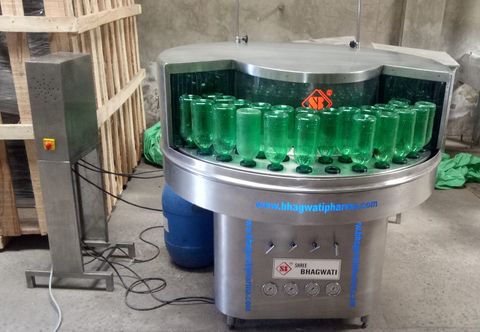
Explore Bottle Washing Machines: A Complete Guide to Types, Features, and Applications
Updated: October 27, 2026
Read More
Explore Fruit Juice Evaporators: A Complete Guide to Technology, Types, and Application
Updated: October 22, 2026
Read More