Explore Convertible Recline-to-Bed Sofas: A Complete Guide to Designs, Features, and Uses
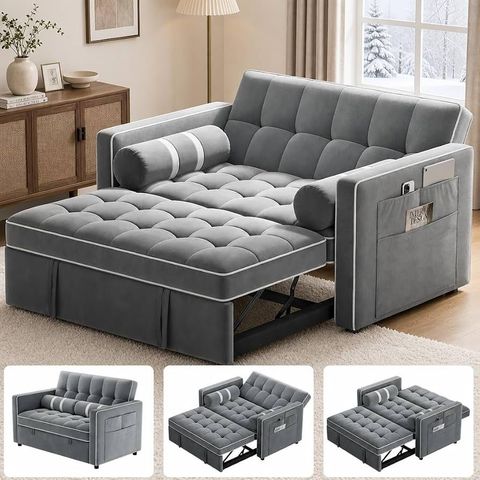
Convertible recline-to-bed sofas are multifunctional furniture pieces designed to provide comfortable seating and a sleeping surface within the same structure. They combine features of a traditional sofa, reclining furniture, and a convertible sofa bed. Their design allows users to change the seating position or transform the furniture into a flat sleeping arrangement, depending on the mechanism.
These sofas are developed to address changing residential needs, particularly in homes where available space must support several activities. A living room may function as a relaxation area during the day and an additional sleeping space at night.
A conventional sofa generally provides a fixed seating position, while a reclining sofa allows the backrest or footrest to move into different positions. A reclining sofa bed adds a conversion mechanism that creates a sleeping surface.
Modern sofa bed designs are available in different configurations, including manual reclining systems, motorized mechanisms, foldable structures, and pull-out arrangements. The choice depends on room dimensions, intended use, comfort preferences, and maintenance requirements.
What Makes These Sofas Different?
The main feature is their ability to support multiple furniture functions.
Common design characteristics include:
Adjustable backrests for different sitting and reclining positions.
Extendable footrests for additional leg support.
Convertible frames that create a sleeping surface.
Foldable or pull-out mechanisms for changing configurations.
Upholstered seating with foam or other cushioning materials.
Storage compartments in selected models.
Manual or electrically operated adjustment systems.
Not every convertible sofa includes a reclining mechanism, and not every reclining sofa can become a bed. Understanding these differences is important when comparing furniture designs.
Common Types of Convertible Reclining Sofas
Manual reclining sofa
A manual reclining sofa uses a lever, handle, or body-weight mechanism to adjust the seating position. It generally has a relatively straightforward operating structure and does not require an electrical connection for reclining.
Power reclining sofa
A power reclining sofa uses an electric motor to adjust the backrest, footrest, or other movable sections. Depending on the design, controls may be integrated into the armrest or positioned separately.
Some models include additional functions such as adjustable headrests, USB charging connections, or independently controlled seating sections. These features vary by manufacturer and model.
Reclining sofa bed
A reclining sofa bed combines reclining seating with a mechanism that creates a sleeping surface. The conversion system may use folding, sliding, or extending components.
Convertible sofa bed
A convertible sofa bed changes from a seating arrangement into a bed through a folding, unfolding, or pull-out mechanism. Some models have multiple backrest positions, while others use a separate mattress-like surface.
Luxury sofa beds
Luxury sofa beds may include carefully designed upholstery, supportive cushioning, detailed stitching, adjustable components, and coordinated finishes. Their construction and materials differ according to the design and intended environment.
Modern sectional reclining sofas
Sectional configurations contain multiple connected or separate seating sections. Certain models include reclining seats and convertible sleeping arrangements, making them suitable for larger living rooms and shared spaces.
Important Features, Materials, and Mechanisms
The performance of a convertible reclining sofa depends on its frame, support structure, cushioning, upholstery, and conversion mechanism.
Frame construction
The frame supports the entire structure and influences stability. Common materials include hardwood, engineered wood, metal, and combinations of these materials.
Important considerations include:
Structural strength and stability.
Quality of joints and connections.
Resistance to repeated movement.
Support for the reclining and sleeping positions.
Smooth operation of movable sections.
Reclining mechanisms
Reclining mechanisms control how the seating position changes. Manual systems use mechanical components, while power systems use motors and electrical controls.
The mechanism should operate smoothly without excessive movement, unusual noises, or exposed pinch points.
Cushioning and upholstery
Cushioning influences seating comfort and sleeping support. Common materials include polyurethane foam, layered foam, fibre filling, and spring-supported structures.
Upholstery options may include:
Cotton and blended fabrics.
Polyester and microfiber.
Leather and synthetic leather.
Textured woven materials.
Performance fabrics designed for particular household conditions.
Material selection depends on maintenance requirements, durability, ventilation, appearance, and everyday use.
Sleeping surface and support
A convertible sofa should provide a sufficiently level sleeping surface for its intended use. Important considerations include the available sleeping dimensions, cushion alignment, support distribution, and ease of conversion.
Why Convertible Recline-to-Bed Sofas Matter Today
Changing residential layouts and multifunctional living spaces have increased interest in furniture that can perform more than one role. Convertible recline-to-bed sofas combine seating, relaxation, and occasional sleeping functions in a single furniture arrangement.
They can be useful for:
Small apartments: Supporting multiple activities where floor space is limited.
Guest rooms: Providing seating during the day and an additional sleeping arrangement when required.
Family living rooms: Creating flexible seating and relaxation spaces.
Studio apartments: Combining different household functions within one room.
Home entertainment areas: Providing adjustable seating for watching television or reading.
Shared accommodation: Supporting different daily activities within a common living area.
Space-saving furniture can also reduce the need for separate furniture pieces, although the actual space requirement depends on the sofa's dimensions and conversion mechanism.
Recent Developments and Furniture Design Trends
Furniture design continues to evolve in response to changing home layouts, material preferences, manufacturing standards, and household technology.
Multifunctional furniture development in 2025–2026
Multifunctional furniture remains an important design consideration for compact homes and flexible residential interiors. Convertible seating, modular furniture, integrated storage, and adjustable components are examples of designs that support different uses within the same space.
Motorized reclining features
Power reclining furniture incorporates electric adjustment systems that allow users to change seating positions through integrated controls. Some contemporary designs also include adjustable headrests, independent seat controls, and charging connections.
These features introduce additional considerations, including electrical safety, motor reliability, cable placement, and maintenance access.
Material and upholstery developments
Furniture manufacturers continue to explore textured fabrics, synthetic leather, durable upholstery, engineered frames, and different cushioning combinations. Material selection increasingly considers appearance alongside cleaning requirements, durability, and environmental impact.
Furniture quality standardization in India
In 2025, India introduced the Furniture (Quality Control) Order, covering specified categories such as work chairs, general-purpose chairs and stools, tables and desks, storage units, beds, and bunk beds. The implementation schedule was subsequently amended in February 2026.
This development highlights the growing importance of standardized furniture quality, structural performance, and product compliance. The precise applicability of these standards to a convertible sofa depends on its product classification and the relevant Indian Standard.
Laws, Quality Standards, and Consumer Policies in India
Furniture manufacturing and consumer protection in India are governed by quality standards, product safety requirements, and consumer protection legislation.
Furniture (Quality Control) Order, 2025
The Department for Promotion of Industry and Internal Trade introduced the Furniture (Quality Control) Order on 13 February 2025. It identifies specified furniture categories that must conform to relevant Indian Standards under the applicable implementation schedule.
These include:
Work chairs
General-purpose chairs and stools
Tables and desks
Storage units
Beds
Bunk beds
The order was amended on 13 February 2026 to introduce additional provisions concerning research and development imports, declared existing stock, and imports intended for furniture manufacturing for export. The applicability of these standards to a particular convertible sofa depends on its classification.
Consumer Protection Act, 2019
The Consumer Protection Act, 2019 provides a framework for consumer rights, product liability, unfair trade practices, and misleading advertisements. It is relevant to furniture descriptions, product information, and claims about materials, performance, and product characteristics.
Consumer Protection (E-Commerce) Rules
The Consumer Protection (E-Commerce) Rules, 2020 establish requirements for online marketplaces and digital retail activities. In September 2026, the government announced amendments that are scheduled to take effect on 1 January 2027. These include provisions concerning product disclosures, sponsored listings, consumer complaints, and transparency in digital marketplaces.
Consumers and manufacturers should consult the latest official notifications to understand the requirements applicable to particular furniture products.
Tools and Resources for Understanding Sofa Designs
Digital tools and reference materials can help people understand furniture dimensions, room layouts, materials, and product specifications.
Useful websites and resources
Bureau of Indian Standards: Information about Indian Standards, product quality, and certification.
Ministry of Consumer Affairs: Consumer protection legislation and regulatory information.
Autodesk: Design and technical drawing resources for furniture layouts.
SketchUp: Three-dimensional modeling for visualizing furniture arrangements.
IKEA Home Planner: Room-planning resources for exploring furniture placement and interior layouts.
Practical furniture planning checklist
Before evaluating a convertible reclining sofa, consider:
Measure the available room space.
Check the sofa dimensions in both folded and extended positions.
Review the seating and sleeping surface dimensions.
Examine the frame and reclining mechanism.
Understand upholstery and cushioning materials.
Check electrical requirements for power reclining models.
Review assembly instructions and maintenance information.
Confirm the manufacturer's warranty and applicable product standards.
These checks help people understand whether a furniture design is appropriate for its intended environment.
Frequently Asked Questions
What is a convertible recline-to-bed sofa?
It is a multifunctional sofa that combines reclining seating with a conversion mechanism that creates a sleeping surface. The exact mechanism varies by design.
What is the difference between a reclining sofa and a reclining sofa bed?
A reclining sofa allows users to adjust the backrest or footrest for relaxation. A reclining sofa bed also includes a mechanism that transforms the furniture into a sleeping arrangement.
How does a power reclining sofa work?
A power reclining sofa uses an electric motor and control system to adjust movable sections. Depending on its design, it may provide separate controls for the backrest and footrest.
Are convertible sofa beds suitable for small apartments?
They can be suitable because they combine seating and sleeping functions. However, users should check the space required when the furniture is fully extended.
Which materials are commonly used in luxury reclining furniture?
Common materials include hardwood, engineered wood, metal frames, polyurethane foam, polyester fabrics, microfiber, leather, and synthetic leather. Their characteristics vary according to construction and manufacturing quality.
Conclusion
Convertible recline-to-bed sofas combine several furniture functions within one design. They provide adjustable seating, reclining positions, and sleeping arrangements, making them relevant to modern homes, compact apartments, guest rooms, and multifunctional living spaces.
Understanding different sofa cum bed designs, reclining mechanisms, frame materials, upholstery, and sleeping surfaces helps people evaluate their practical features. Power reclining sofas introduce additional considerations involving electrical components, while manual models use mechanical adjustment systems.
Furniture standards and consumer protection policies also play an important role in product quality, safety, and accurate product information.
As residential layouts and furniture designs continue to evolve, convertible sofa beds remain an important example of multifunctional furniture. Learning about their construction, features, and applications provides a useful foundation for understanding modern sofa designs and their role in contemporary interiors.

Related Post...

Explore Multi-User Study Table Hubs: A Complete Guide to Features and Benefits
Updated: October 28, 2026
Read More
Explore Stone-Top Luxury Console Units: A Complete Guide to Designs, Styles, and Features
Updated: November 02, 2026
Read More
Explore Glass-Top Bedroom Nightstands: A Complete Guide to Styles, Features, and Essential Details
Updated: October 23, 2026
Read More