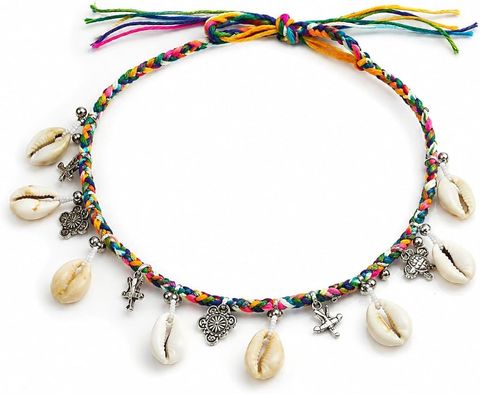
Explore Designer Bangles: A Complete Guide to Styles and Designs
Designer bangles are decorative ornaments worn around the wrist. They are made from materials such as gold, silver, platinum, glass, and other metals, with designs ranging from simple polished bands to intricate pieces featuring gemstones, enamel work, engraving, or traditional motifs.
In India, bangles have a long cultural history and are associated with regional traditions, celebrations, weddings, and personal style. Their designs vary across communities, with differences in materials, colours, patterns, and craftsmanship. In many families, particular bangle styles also carry sentimental or symbolic importance.
Luxury Designer Bangles combine distinctive design elements with detailed craftsmanship and carefully selected materials. The term describes a style category rather than a standardized technical grade. A luxury appearance alone does not establish a bangle's purity, durability, or material quality.
Designer bangles can be understood through several broad categories:
Designer Gold Bangles: Gold ornaments featuring modern, traditional, or mixed design elements.
Bridal Gold Bangles: Pieces worn as part of wedding jewellery and ceremonial attire.
Premium Gold Bangles: Designs emphasizing material selection, finishing, and craftsmanship.
Traditional Gold Bangle Designs: Styles inspired by regional motifs and established jewellery-making techniques.
Antique Gold Bangles: Designs with aged-looking finishes, textured surfaces, or historical influences.
Silver Designer Bangles: Silver ornaments featuring contemporary patterns, engraved details, or decorative settings.
Understanding these categories helps readers identify design differences and appreciate the relationship between materials, cultural traditions, and jewellery craftsmanship.
Why Designer Bangle Styles Matter Today
Designer bangles remain relevant because they combine personal expression, cultural identity, craftsmanship, and occasion-specific styling. Their importance varies according to individual preferences, family customs, regional traditions, and practical needs.
Cultural and ceremonial significance
In many Indian communities, bangles are associated with weddings, festivals, family celebrations, and traditional clothing. Certain colours or materials may carry particular meanings within specific customs, although practices differ between regions and communities.
Indian bridal bangle designs may include gold, glass, Kundan, Meenakari, or combinations of different materials. Some brides follow family traditions, while others select designs that reflect their own aesthetic preferences.
Personal style and design preferences
Designer bangles are available in a wide range of shapes and finishes. Some people prefer slim, lightweight-looking bands for everyday styling, while others choose broad, detailed ornaments for formal occasions.
Common design preferences include:
Minimalist bangles with smooth, clean lines.
Geometric patterns inspired by contemporary design.
Floral engravings and nature-inspired motifs.
Textured surfaces with matte or antique finishes.
Gemstone accents and enamel decoration.
Traditional patterns influenced by regional jewellery.
These styles demonstrate how jewellery design can adapt to changing fashion preferences while retaining traditional influences.
Understanding materials and craftsmanship
Material knowledge is important when evaluating jewellery. Gold purity, silver fineness, the type of decorative setting, and the quality of construction can influence a bangle's characteristics.
For example, a bangle made from high-purity gold may be relatively soft compared with certain lower-purity gold alloys. Silver designs may require different care because silver can tarnish when exposed to particular environmental conditions.
A design's appearance does not necessarily reveal its composition. Hallmarks, material documentation, and appropriate verification methods provide more reliable information.
Exploring Popular Designer Bangle Styles
Designer bangles can be grouped according to their materials, decorative methods, and intended appearance.
Luxury and premium gold bangles
Luxury Designer Bangles may feature detailed engraving, symmetrical patterns, gemstone settings, or distinctive surface finishes. Some designs emphasize traditional ornamentation, while others use simple forms and contemporary lines.
Premium Gold Bangles can include polished, brushed, filigree, or textured finishes. These terms describe visual or decorative characteristics, not a universal quality classification.
Traditional and antique gold bangles
Traditional Gold Bangle Designs often draw inspiration from temple architecture, flowers, leaves, peacocks, and other cultural motifs. Temple-style jewellery may feature sculptural elements and detailed relief work.
Antique Gold Bangles commonly use darker or muted surface treatments to create an aged appearance. The word antique can describe a design style; it does not automatically mean the jewellery is historically old.
Bridal gold bangles
Bridal Gold Bangles can be narrow or broad, understated or heavily decorated. Depending on regional customs, they may be combined with necklaces, earrings, rings, and other wedding ornaments.
Some Indian bridal styles include Kundan settings, Meenakari enamel work, engraved gold patterns, and traditional red or green accents. The exact combination varies across communities and personal preferences.
Silver designer bangles
Silver Designer Bangles range from plain circular bands to intricate openwork designs. Common features include hammered textures, engraved motifs, oxidized finishes, and geometric patterns.
Silver can complement both traditional and contemporary clothing. Its appearance and maintenance requirements differ from those of gold, particularly because exposed silver may tarnish over time.
The table below summarizes common design characteristics.
| Bangle category | Typical design features | Common styling context |
|---|---|---|
| Luxury designer | Detailed finishing, distinctive patterns | Formal and celebratory occasions |
| Designer gold | Polished, engraved, or geometric details | Everyday or occasion wear |
| Bridal gold | Ornate motifs and decorative accents | Weddings and ceremonies |
| Antique gold | Textured surfaces and aged-looking finishes | Traditional outfits |
| Silver designer | Engraving, oxidized finishes, openwork | Casual and formal styling |
These are general categories rather than fixed rules. Individual designs can combine features from several groups.
| Simple gold or silver bands | Comfort and durability | |
| Weddings | Traditional or ornate bridal designs | Coordination with attire |
| Festivals | Coloured, engraved, or layered bangles | Cultural and personal preferences |
| Formal events | Minimalist or statement designs | Balance with other jewellery |
| Traditional ceremonies | Temple-inspired or antique styles | Regional customs and symbolism |
Fashion trends change over time. Choosing a design that suits personal preferences and practical needs is more useful than assuming every popular style will suit every wearer.
Laws, Hallmarking, and Jewellery Standards in India
In India, precious-metal jewellery is subject to standards and consumer-protection measures intended to improve transparency about metal purity and identification. These requirements are especially relevant when examining Designer Gold Bangles, Premium Gold Bangles, and Silver Designer Bangles.
Gold hallmarking
The Bureau of Indian Standards (BIS) operates India's hallmarking framework for precious-metal articles. The mandatory hallmarking system for gold jewellery applies in notified districts covered by the relevant government orders.
On 13 March 2026, the Ministry of Consumer Affairs reported that the sixth phase of mandatory gold hallmarking, effective from 2 March 2026, expanded coverage to 380 districts. The applicable district list and current requirements should be checked against official notifications.
A BIS hallmark on gold jewellery includes:
The BIS logo.
The purity grade expressed through caratage and fineness.
A six-character alphanumeric Hallmark Unique Identification (HUID) number.
The BIS CARE app includes a feature for checking the HUID of hallmarked gold jewellery. This helps consumers verify the item's recorded details rather than relying solely on its appearance or description.
Silver hallmarking
Silver hallmarking in India has historically operated under a voluntary scheme. On 1 September 2025, HUID-based hallmarking for silver jewellery and articles was introduced on a voluntary basis under the revised Indian Standard IS 2112:2025. For silver articles that are hallmarked under the revised system, the HUID provides additional identification and traceability.
Consumer awareness and jewellery verification
When assessing jewellery, readers should understand the distinction between design terminology and verified material information.
A design described as premium does not establish a specific gold purity.
An antique finish does not prove that a piece is historically old.
A decorative gemstone setting does not establish the authenticity of the stones.
A hallmark provides information about metal purity under the applicable standard; it does not independently establish the quality of every decorative element.
For current requirements, consult the BIS website and relevant government notifications.
Tools and Resources for Learning About Designer Bangles
Reliable educational resources can help readers understand jewellery materials, craftsmanship, sizing, and Indian hallmarking standards.
Useful websites and tools
Bureau of Indian Standards: Official information about hallmarking, purity standards, and consumer guidance.
BIS CARE app: Accessible through official app stores; includes the HUID verification feature for eligible hallmarked gold and silver articles.
BIS Hallmarking Overview: Explains the purpose of hallmarking and the standards framework.
National Institute of Fashion Technology: Educational information about fashion, design, textiles, and related disciplines.
Indian Institute of Gems and Jewellery: Educational resources related to gems, jewellery, design, and industry developments.
Practical design and care checklist
Before selecting or caring for designer bangles, consider the following points:
Measure wrist and hand circumference using a flexible measuring tape.
Check the manufacturer's sizing guidance because bangle shapes and opening sizes differ.
Examine edges, clasps, joints, and decorative settings for visible damage.
Verify precious-metal markings where applicable.
Keep jewellery away from harsh chemicals, perfumes, and cleaning agents that may damage its finish.
Store different metals and delicate pieces separately to reduce scratching.
Follow appropriate care guidance for gemstones, enamel, and oxidized finishes.
These practices support informed jewellery evaluation and help maintain the appearance of different materials.
Frequently Asked Questions
What are Luxury Designer Bangles?
Luxury Designer Bangles are decorative wrist ornaments distinguished by their design, finishing, materials, or craftsmanship. The term is descriptive and does not represent a universal purity or certification standard.
What is the difference between traditional and antique gold bangles?
Traditional Gold Bangle Designs draw inspiration from established cultural motifs and jewellery-making techniques. Antique Gold Bangles usually feature aged-looking finishes or historical design influences. An antique appearance does not necessarily mean the piece is old.
How can the purity of Designer Gold Bangles be checked in India?
Look for the applicable BIS hallmark and six-character HUID on eligible hallmarked gold jewellery. Use the BIS CARE app's HUID verification feature to check recorded information. Seek appropriate testing if further verification is needed.
What makes Indian Bridal Bangle Designs distinctive?
Indian bridal designs may combine regional motifs, gold craftsmanship, enamel decoration, gemstones, and ceremonial colours. Their appearance varies according to regional customs, family traditions, and individual preferences.
How should Silver Designer Bangles be maintained?
Store silver bangles in a dry environment, avoid unnecessary contact with chemicals, and use a suitable silver-cleaning method when appropriate. Special finishes, gemstones, and enamel decorations may require specific care.
Conclusion
Designer bangles reflect the relationship between jewellery craftsmanship, cultural traditions, materials, and changing fashion preferences. From Luxury Designer Bangles and Traditional Gold Bangle Designs to Antique Gold Bangles and Silver Designer Bangles, each category offers different visual characteristics and styling possibilities.
Understanding gold purity, silver fineness, hallmarking, design terminology, and jewellery care helps readers make informed assessments. Indian bridal bangle designs also demonstrate how regional traditions and contemporary styling can coexist.
By exploring reliable educational resources and distinguishing verified material information from decorative descriptions, readers can develop a clearer understanding of designer bangles, their craftsmanship, and their place in Indian jewellery traditions.

Related Post...
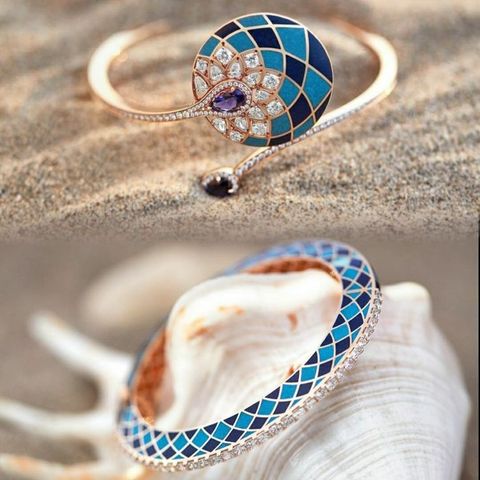
Explore Sky Blue Enamel Jewelry : A Complete Guide to Designs, Styles, and Essential Tips.
Updated: October 19, 2026
Read More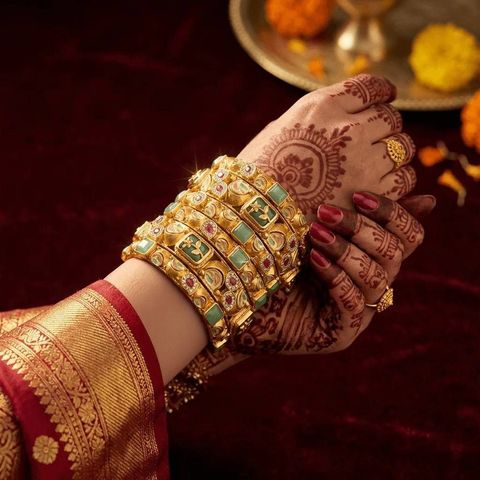
Explore Designer Bangles: A Complete Guide to Styles and Designs
Updated: October 27, 2026
Read More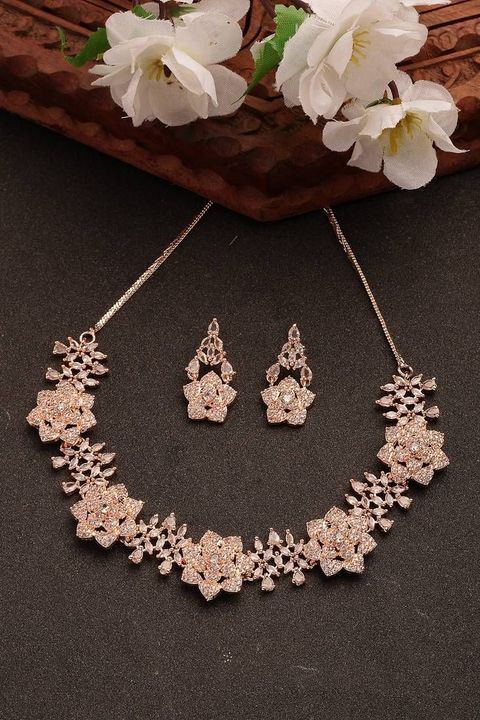
Discover Warm Rose Gold Sets: Helpful Insights, Advice, and Suggestions for Elegant Jewelry.
Updated: October 19, 2026
Read More