Explore Full Body Laser Toning: A Complete Guide to Benefits, Basics, and Skincare Knowledge.
Full body laser toning is a general term used to describe laser-based cosmetic procedures intended to address selected pigmentation concerns or improve the appearance of skin tone. The term does not refer to one standardized medical procedure. The technology, treatment settings, and expected results depend on the device, the skin condition, and the areas being treated.
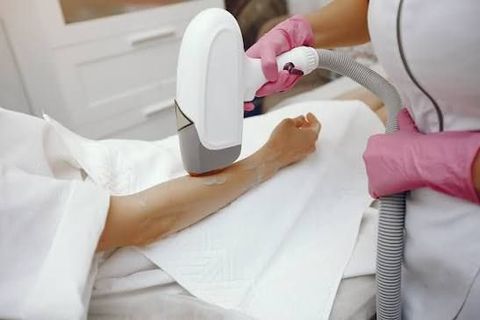
Laser devices deliver concentrated light energy to selected structures in the skin. Depending on the wavelength and settings, this energy may target pigment, stimulate controlled changes in the skin, or support the treatment of specific dermatological concerns.
A full body laser skin treatment may involve several body areas, but it does not necessarily mean that every part of the body can be treated in the same session. Facial skin, underarms, arms, legs, and other areas differ in sensitivity, thickness, pigmentation, and healing characteristics.
A dermatologist can determine whether laser treatment is appropriate after assessing the skin and identifying the cause of the concern.
How Laser Skin Treatment Works
Laser technology uses specific wavelengths of light that interact with selected targets in the skin. In pigmentation procedures, the target is often melanin, the natural pigment responsible for skin and hair color.
Different laser systems work in different ways:
Q-switched lasers: Deliver short pulses of energy and may be used for selected pigmentary conditions.
Picosecond lasers: Deliver extremely short pulses and may be considered for certain pigment-related concerns.
Fractional lasers: Treat microscopic zones of skin while leaving surrounding areas untreated, supporting the healing process.
Ablative lasers: Remove controlled layers of skin and are generally associated with more intensive recovery.
Non-ablative lasers: Heat selected structures without deliberately removing the entire surface layer of skin.
These technologies are not interchangeable. A laser pigmentation removal treatment, for example, requires a different assessment from a laser skin resurfacing treatment designed to address selected scars or textural changes.
The most appropriate method depends on the diagnosis, skin type, treatment area, and medical history.
Why Laser Skin Rejuvenation Matters
Addressing Uneven Skin Tone and Pigmentation
Uneven skin tone can develop for several reasons, including sun exposure, hormonal changes, acne-related inflammation, skin irritation, and certain medical conditions.
Hyperpigmentation occurs when some areas of the skin produce or retain more pigment than others. Common examples include dark spots, post-inflammatory hyperpigmentation, and melasma.
Laser treatment for uneven skin tone may be considered for selected conditions when a dermatologist determines that its potential benefits outweigh the risks. However, laser treatment is not suitable for every pigmentation problem.
Melasma deserves particular attention because it can recur and may become darker after skin irritation or excessive heat. In many cases, sun protection and appropriate topical treatment are important parts of management, while laser procedures are considered selectively.
Potential Benefits of Laser Skin Rejuvenation
A professional laser skin treatment may help address specific concerns when the correct technology and treatment settings are selected.
Potential outcomes include:
Improvement in selected forms of unwanted pigmentation.
Reduction in the appearance of certain sun-related dark spots.
Improvement in selected acne scars and textural irregularities.
Changes in the appearance of fine lines with appropriate resurfacing techniques.
More even-looking skin in some carefully selected cases.
Results vary considerably. Some concerns respond better to topical treatments or other dermatological approaches. Laser procedures cannot guarantee uniform skin tone, permanent pigment removal, or identical results across different body areas.
Who May Need a Dermatological Assessment?
People considering full body skin rejuvenation may have concerns about dark patches, sun-related pigmentation, acne marks, uneven texture, or other visible changes.
An assessment is especially important when pigmentation is new, changing, spreading, itchy, painful, or associated with bleeding. Such changes should not automatically be treated as cosmetic concerns because some require medical investigation.
People with darker skin tones need particular care when selecting laser technology. Higher levels of epidermal melanin can increase the risk of burns, temporary or persistent pigmentation changes, and scarring when treatment is unsuitable or too aggressive.
A qualified dermatologist can assess these factors and explain alternative approaches when a laser is not advisable.
Recent Developments in Laser Dermatology
Laser dermatology continues to evolve through research into device selection, treatment precision, skin-type assessment, and the prevention of complications.
Research Published in 2025
In June 2025, an international consensus statement on preventing and managing complications associated with fully ablative laser resurfacing was published in the dermatology literature. It addressed patient selection, preparation before treatment, procedural precautions, recovery care, infections, pigmentation changes, and scarring.
The findings reinforce the importance of appropriate assessment and structured aftercare rather than assuming that every laser procedure has the same risk profile. Fully ablative resurfacing is more intensive than many non-ablative pigmentation procedures, so recommendations must be applied to the relevant technique.
Research Published in August 2026
On 27 August 2026, the Journal of the American Academy of Dermatology published an advance online clinical review examining laser and energy-based device use in skin of color.
The review discussed device selection, treatment parameters, and risk reduction for people with darker skin tones. It highlighted possible complications, including post-inflammatory hyperpigmentation, hypopigmentation, blistering, and scarring.
It also discussed the potential role of low-fluence Q-switched and picosecond Nd lasers for selected pigmentary conditions. These findings do not establish that one device is appropriate for every patient; diagnosis and individual assessment remain essential.
Trends in Modern Laser Skin Treatment
Current areas of clinical interest include:
Individualized treatment settings: Adjusting wavelength, energy, and pulse characteristics to the skin condition and skin type.
Combination approaches: Using carefully selected topical treatments and sun protection alongside procedures when clinically appropriate.
Improved safety planning: Evaluating the likelihood of pigmentation changes before treatment.
More selective treatment: Matching the device to the specific concern instead of using one approach for every skin condition.
Research is ongoing, and newer technology does not automatically mean better results or fewer risks for every individual.
Laws, Regulations, and Skin Treatment Safety in India
Laser-based cosmetic procedures should be approached as medical or dermatological interventions when they involve clinical assessment, prescription treatment, or medical-grade equipment. The applicable requirements depend on the procedure, the device, the facility, and the relevant state or local rules.
Medical Device and Clinic Requirements
India's regulatory framework includes the Medical Devices Rules, 2017, administered through the Central Drugs Standard Control Organisation (CDSCO). Depending on the device classification and intended use, applicable requirements may cover device registration or licensing, manufacturing, importation, and quality standards.
The Clinical Establishments (Registration and Regulation) Act, 2010, applies in participating states and union territories, subject to its provisions and applicable state legislation. Local requirements may also govern the operation of clinics and healthcare facilities.
Useful official references include:
CDSCO
Ministry of Health and Family Welfare
Clinical Establishments portal
Consumers should verify the qualifications of the treating practitioner, the suitability of the equipment, and the clinic's compliance with applicable requirements. Specific legal obligations should be confirmed through current official notifications.
Safety Considerations Before Treatment
Before undergoing laser skin treatment, discuss the following with a qualified dermatologist:
Your skin type and history of pigmentation.
Previous reactions to lasers, peels, or skincare products.
Current medications and any history of skin disorders.
Recent tanning, sun exposure, or active skin inflammation.
The expected recovery period and possible complications.
Protective eyewear appropriate to the laser wavelength is essential during treatment. A test spot may be considered when clinically appropriate, particularly when pigmentation changes are a concern.
Tools and Resources for Skincare Education
Reliable educational resources can help readers understand laser technology, prepare questions for a dermatologist, and follow appropriate skincare practices.
| Resource | How it helps |
|---|---|
| American Academy of Dermatology | Provides educational material on pigmentation, melasma, and skin health. |
| Indian Association of Dermatologists, Venereologists and Leprologists | Provides information about dermatology and professional education in India. |
| CDSCO | Provides regulatory information about medical devices in India. |
| PubMed | Helps readers locate published dermatology research and clinical reviews. |
| Skin diary or treatment checklist | Helps record symptoms, skincare products, sun exposure, and recovery observations. |
A Simple Preparation and Aftercare Checklist
Before treatment, record your current skincare routine and discuss any medicines or supplements with your dermatologist. Follow the clinician's instructions about sun exposure, active ingredients, and preparation.
After treatment, follow the recommended recovery plan. This may include gentle cleansing, appropriate moisturization, and broad-spectrum sunscreen on exposed skin. Avoid introducing irritating products or exfoliating treatments until your skin has recovered and your clinician advises that they are appropriate.
Seek prompt medical advice if you develop severe or increasing pain, blistering, signs of infection, or unexpected pigmentation changes.
Frequently Asked Questions
What is full body laser toning used for?
The term generally describes laser-based procedures intended to address selected pigmentation concerns or improve skin appearance across multiple body areas. The appropriate treatment depends on the underlying condition and the technology used.
Is laser treatment suitable for every skin type?
No. Laser treatment can be performed on different skin types, but the device, settings, and precautions must be selected carefully. Darker skin tones may have a higher risk of unwanted pigmentation changes with unsuitable treatment.
How many sessions are required?
The number of sessions depends on the diagnosis, device, treatment area, and individual response. Some concerns may improve after a limited number of sessions, while others require several treatments or ongoing maintenance. A dermatologist can provide a realistic estimate after assessment.
Can laser treatment permanently remove pigmentation?
Not necessarily. Some selected pigmentary lesions may respond well, but melasma and other pigmentation disorders can recur. Sun exposure, hormonal influences, and skin inflammation may contribute to new or returning pigmentation.
What should be avoided after laser treatment?
Avoid unnecessary sun exposure, picking or scrubbing treated skin, and using irritating skincare ingredients until recovery is sufficient. Follow the specific instructions provided by the treating dermatologist because aftercare differs between laser types.
Conclusion
Full body laser toning is a broad term covering different laser-based approaches to pigmentation and skin appearance. Understanding the differences between laser toning, laser pigmentation treatment, and laser resurfacing helps people make informed decisions about their skincare.
Although selected procedures can improve certain skin concerns, results vary and complications are possible. Careful diagnosis, appropriate device selection, practitioner expertise, sun protection, and individualized aftercare are important parts of responsible treatment.
Reliable dermatology resources and a consultation with a qualified dermatologist can help determine whether laser treatment is suitable or whether another approach is more appropriate.

Related Post...
Explore Full Body Laser Toning: A Complete Guide to Benefits, Basics, and Skincare Knowledge.
Updated: October 19, 2026
Read More
Honey Healing Facial Explained: Essential Facts, Skincare Knowledge, and Helpful Resources.
Updated: October 19, 2026
Read More