Explore Green Transportation: A Complete Guide to Sustainable Travel and Eco-Friendly Mobility
Green transportation refers to travel methods and transport systems designed to reduce environmental impacts, energy consumption, and pollution. It includes walking, cycling, public transportation, electric vehicles, shared mobility, and other approaches that can reduce dependence on conventional petrol and diesel vehicles.
Transportation supports daily life by connecting people with schools, healthcare, workplaces, markets, and public facilities. However, conventional road transport contributes to greenhouse gas emissions, air pollution, traffic congestion, and noise. The environmental impact varies according to vehicle type, fuel source, distance travelled, occupancy, and local conditions.
Green transportation aims to make mobility more environmentally responsible while maintaining safety, accessibility, and convenience. It involves more than replacing petrol vehicles with electric cars. Effective solutions also include reliable public transportation, pedestrian-friendly streets, cycling infrastructure, and better urban planning.
Key Technologies Behind Eco-Friendly Mobility
Electric vehicle technology
Electric vehicles (EVs) use electric motors for propulsion. Battery electric vehicles store electricity in rechargeable batteries, while plug-in hybrid vehicles combine an electric powertrain with an internal combustion engine.
Important components of electric vehicle technology include:
Battery packs that store electrical energy.
Electric motors that convert electrical energy into movement.
Power electronics that regulate electrical power.
Regenerative braking systems that recover some energy during deceleration.
Battery management systems that monitor battery performance and operating conditions.
EVs produce no tailpipe exhaust while driving in electric mode. However, their overall environmental impact depends on electricity generation, battery manufacturing, vehicle production, and end-of-life management.
Electric vehicle charging stations
Electric vehicle charging stations supply electricity to rechargeable vehicles. They may be installed at homes, workplaces, public parking facilities, commercial locations, or transport hubs.
Charging equipment varies by power output, connector type, compatibility, and charging speed. AC charging is commonly used for residential and workplace charging, while DC fast charging can replenish compatible vehicle batteries more quickly.
A practical charging network requires appropriate electrical connections, reliable equipment, safe installation, maintenance, and clear information about charger availability and compatibility.
Electric vehicle infrastructure
Electric vehicle infrastructure includes charging equipment, electricity distribution connections, grid upgrades, parking arrangements, communication systems, and maintenance facilities.
Planning this infrastructure requires attention to where vehicles travel, how long they remain parked, the local electricity supply, and expected charging demand. Apartment buildings, highways, commercial districts, and public transport depots may need different charging arrangements.
Sustainable Transportation Solutions
Green mobility solutions combine different transport methods to meet the needs of individuals and communities. No single technology is appropriate for every journey.
Important options include:
Public transportation: Buses, metro systems, suburban rail, and other shared transport can move many passengers using less energy per passenger than single-occupancy vehicles in suitable conditions.
Walking and cycling: These methods support short-distance travel without direct vehicle emissions and can improve access to local destinations.
Electric public transportation: Electric buses and electrified rail systems can reduce local exhaust pollution and, depending on electricity sources and operating conditions, greenhouse gas emissions.
Shared mobility: Carpooling and shared transport can reduce the number of vehicles needed for certain journeys.
Smart mobility systems: Digital route planning, traffic information, and integrated transport networks can improve travel coordination and reduce unnecessary journeys.
The most effective sustainable transportation strategy usually combines these options with safe streets, accessible public facilities, and reliable connections between different modes of transport.
Recent Developments in Green Transportation
Green transportation is evolving through electric vehicle adoption, charging network expansion, battery improvements, and electrification of public transport. Recent developments in India show how government policies and infrastructure planning are supporting this transition.
Electric vehicle charging infrastructure updates
On 10 February 2026, India's Ministry of Heavy Industries reported that 29,151 public electric vehicle charging stations had been installed nationwide, based on information from Bharat Heavy Electricals Limited. The announcement also described government funding allocated to public charging infrastructure through the FAME-II and PM E-DRIVE schemes.
These developments highlight the importance of locating charging stations in cities, along highways, near public parking areas, and in other locations where drivers need dependable access to charging.
PM E-DRIVE scheme developments
On 7 August 2025, the Government of India announced an extension of the PM Electric Drive Revolution in Innovative Vehicle Enhancement (PM E-DRIVE) scheme through 31 March 2028, while specifying separate timelines for certain vehicle categories. The scheme supports electric mobility, charging infrastructure, and the domestic electric vehicle manufacturing ecosystem.
Important trends in sustainable transportation
Electric public transportation: Electric buses are becoming an important part of urban transport planning.
Battery technology: Research continues into battery durability, charging performance, energy density, and recycling.
Charging network planning: Governments and transport planners are focusing on access to reliable charging infrastructure.
Digital mobility: Navigation applications and live transport information can help travellers plan journeys and identify available charging points.
Integrated transport: Connecting metro systems, buses, cycling routes, and pedestrian networks can reduce reliance on private vehicles.
These trends show that green transportation depends on coordinated improvements in vehicles, electricity systems, urban design, and public transport.
Laws, Policies, and Government Programs in India
India's electric mobility transition is influenced by national transport rules, electricity regulations, vehicle standards, and government programs. Policies may differ across states, so current official notifications should be checked before making decisions.
Electric vehicle charging guidelines
On 17 September 2024, the Ministry of Power issued the Guidelines for Installation and Operation of Electric Vehicle Charging Infrastructure-2024. These guidelines cover charging facilities in private parking spaces, workplaces, residential complexes, public locations, and along highways and expressways. They address charging infrastructure development, electricity connections, safety, and grid readiness.
PM E-DRIVE scheme
The PM E-DRIVE scheme supports the adoption of selected electric vehicle categories, public charging infrastructure, and electric buses. Its eligibility requirements, vehicle-category timelines, and implementation provisions can change through official amendments. Readers should consult the scheme's current notifications for the latest details.
Electric vehicle and transport regulations
The Motor Vehicles Act, 1988, and the Central Motor Vehicles Rules, 1989, provide important parts of India's motor vehicle regulatory framework. Applicable requirements can cover vehicle registration, roadworthiness, safety, and compliance with relevant technical standards.
Electric vehicle owners and operators should also consider:
Applicable state registration and road-tax rules.
Electrical safety requirements for charging installations.
Local building and parking regulations.
Battery handling, recycling, and waste-management requirements.
Relevant vehicle and charging connector standards.
National electric mobility planning
The National Electric Mobility Mission Plan 2020 helped establish an early policy framework for electric and hybrid mobility in India. More recent programs, including PM E-DRIVE, build on the broader objective of supporting electric mobility and associated infrastructure.
Government initiatives can support the transition, but actual outcomes depend on implementation, infrastructure availability, electricity supply, vehicle suitability, and public transport planning.
Tools and Resources for Green Transportation
Reliable digital tools help travellers plan journeys, locate charging points, compare transport options, and learn about electric vehicle technology.
Useful websites and applications
Ministry of Heavy Industrie: Official information on electric mobility policies and government initiatives.
PM E-DRIVE portal: Scheme guidelines, notifications, and electric mobility updates.
Ministry of Power: Electricity policies and electric vehicle charging infrastructure guidelines.
Bureau of Energy Efficiency: Information about energy efficiency and electric mobility.
Google Maps: Helps users explore routes, public transportation options, and listed EV charging locations. Availability information may vary.
PlugShare: A charging-location map that can help drivers identify charging points and check user-reported information.
Practical planning checklist
Before choosing an electric vehicle or planning a longer journey, consider:
Vehicle range under expected driving conditions.
Charging connector compatibility and charging speed.
The location and operating status of charging stations.
Access to charging at home, work, or regular destinations.
Public transport availability for daily journeys.
Safe walking and cycling routes for shorter distances.
These considerations help travellers select suitable transportation options based on their needs rather than relying on general claims about vehicle performance.
Frequently Asked Questions
What is green transportation?
Green transportation includes travel methods designed to reduce pollution, energy consumption, and environmental impact. Examples include walking, cycling, public transport, electric vehicles, and shared journeys.
How does electric vehicle technology support sustainable mobility?
Electric vehicles have no tailpipe emissions when operating in electric mode. Their overall environmental impact depends on electricity generation, battery production, vehicle manufacturing, and battery recycling.
What is electric vehicle infrastructure?
Electric vehicle infrastructure includes charging stations, electrical connections, grid upgrades, parking facilities, communication systems, and related equipment needed to support EV charging.
How can sustainable urban transportation reduce pollution?
Reliable public transport, walking, cycling, and appropriate electric mobility can reduce dependence on individual petrol and diesel vehicles. The resulting benefits depend on passenger numbers, energy sources, transport planning, and local conditions.
Are public EV charging stations available across India?
Public charging stations have expanded across India, but availability varies by city, highway, and region. Drivers should check current maps, connector compatibility, and charging-point status before travelling.
Conclusion
Green transportation is an important part of sustainable development because it connects mobility with environmental protection, energy efficiency, and urban planning. Electric vehicle technology, electric vehicle charging stations, and electric public transportation can help reduce transport-related emissions when supported by suitable infrastructure and cleaner electricity.
At the same time, sustainable transportation solutions must extend beyond electric vehicles. Reliable buses and rail systems, safe cycling routes, walkable neighborhoods, and integrated transport networks can help communities move efficiently while reducing environmental pressures.
Understanding current technologies, government policies, and available planning tools enables individuals and communities to make informed travel decisions. Continued progress will depend on coordinated infrastructure development, responsible energy use, public awareness, and transport systems designed to meet the needs of different communities.

Related Post...

Explore Quick Trip Planning Techniques: A Guide to Essential Tips and Practical Advice
Updated: October 23, 2026
Read More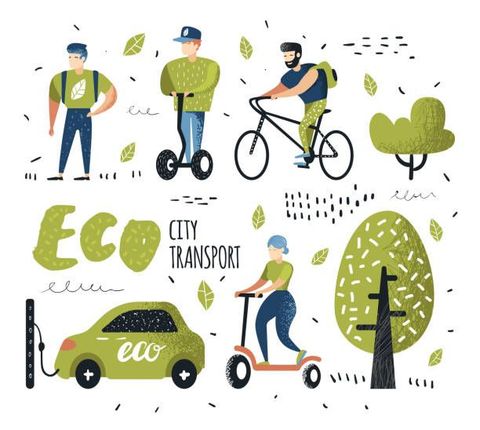
Explore Green Transportation: A Complete Guide to Sustainable Travel and Eco-Friendly Mobility
Updated: October 26, 2026
Read More