Explore Laser Treatments: An Informative Guide to Applications, Methods, and Details
Laser treatments use concentrated light energy for specific medical, dermatological, and cosmetic applications. Depending on the wavelength, intensity, and delivery method, laser energy can interact with hair follicles, pigment, blood vessels, or different layers of the skin.
The term “laser treatment” covers a broad group of techniques rather than one single procedure. Common examples include laser hair removal, laser skin resurfacing, fractional laser treatment, CO2 laser treatment, Nd laser treatment, laser pigmentation treatment, laser tattoo removal, and treatments designed to improve the appearance of certain scars or wrinkles.
Laser therapy is also used in medical settings for purposes beyond appearance-related concerns. The appropriate technology depends on the condition being addressed, skin characteristics, treatment area, and clinical objective.
What Are Laser Treatments?
A laser produces a concentrated beam of light at a specific wavelength. During treatment, the energy is directed toward a selected target. The target may absorb the light and convert it into heat or another form of energy.
Different laser systems are designed for different purposes. Some primarily target pigment, while others affect water-containing tissue, blood vessels, or hair follicles.
Common categories include:
Laser hair removal: Targets pigment in hair follicles to reduce unwanted hair growth.
Laser skin resurfacing: Uses laser energy to affect selected skin layers and encourage changes in skin texture.
Fractional laser treatment: Treats microscopic columns of skin while leaving surrounding areas untreated.
CO2 laser treatment: Uses carbon-dioxide laser technology for selected resurfacing and tissue procedures.
Nd laser treatment: Uses a 1064 nm wavelength for several dermatological and vascular applications.
Laser pigmentation treatment: Targets selected pigmented areas, depending on the type and depth of pigmentation.
Laser tattoo removal: Uses specific wavelengths to break down tattoo pigments so the body can gradually clear them.
IPL treatment: Intense pulsed light is not technically a laser, but it is commonly discussed alongside laser-based skin and hair treatments.
Why Laser Treatments Matter Today
Laser technologies have become important because they allow clinicians to target particular tissues or structures with controlled light energy. Their applications can range from hair reduction and scar appearance to pigmentation, vascular concerns, wrinkles, and selected medical conditions.
The choice of treatment is especially important for people with different skin tones. Laser settings, wavelength selection, cooling methods, and clinical experience can influence safety and outcomes. The American Academy of Dermatology notes that darker skin can have a greater risk of burns and dark marks following some laser procedures, making appropriate technology selection and practitioner experience important.
Laser treatments can address different concerns, but they should not be considered interchangeable. A laser appropriate for hair removal may not be appropriate for pigmentation, while a resurfacing laser may have a different purpose altogether.
Common Applications
| Application | Main Target | General Purpose |
|---|---|---|
| Laser hair removal | Hair follicle pigment | Reduce unwanted hair |
| Skin resurfacing | Skin tissue | Improve selected texture concerns |
| Acne scar treatment | Scarred skin | Improve appearance of some scars |
| Pigmentation treatment | Melanin/pigmented areas | Address selected pigmentation |
| Tattoo removal | Tattoo pigment | Break down tattoo ink |
| Vascular treatment | Blood vessels | Address selected vascular concerns |
| Wrinkle treatment | Skin layers | Improve appearance of some wrinkles |
| Fractional treatment | Microscopic skin columns | Support resurfacing and texture changes |
Factors That Influence Treatment Selection
Laser treatment is not determined only by the condition being treated. A clinician may consider several factors before selecting a method.
These can include:
Skin tone and natural pigmentation
Hair color, thickness, and growth pattern
Type and depth of pigmentation
Scar characteristics
Treatment area and size
Previous procedures
Existing skin conditions
Medicines and skincare products being used
History of abnormal scarring
Recent sun exposure or tanning
For example, the AAD notes that laser hair removal works by targeting pigment in the hair and that light-colored hair such as blonde, white, gray, or red hair may respond poorly because it contains less of the pigment needed for the laser to target effectively.
Recent Updates and Developments
Laser dermatology continues to develop through new devices, improved fractional technologies, more precise wavelength selection, and systems designed for different skin characteristics.
In October 2025, the U.S. Food and Drug Administration published a 510(k) summary for an AVAVA fractional laser system. The device was indicated for certain procedures involving skin resurfacing, fine lines and wrinkles, acne scars, and soft-tissue coagulation. The documentation also specified use by trained medical professionals familiar with laser technology and safety precautions.
Another FDA document published in 2025 describes a dermatological laser system using 2940 nm and 1540 nm wavelengths for applications including skin resurfacing, wrinkles, acne scars, pigmentation-related procedures, and other dermatological uses.
These developments illustrate an important trend: modern laser platforms may combine different wavelengths or treatment modes to address different tissue characteristics. However, the presence of a particular technology does not mean it is appropriate for every person or condition.
Laser Treatment and Skin Safety
Safety is an important part of laser therapy. Laser energy can produce heat and tissue changes, so incorrect settings or inappropriate use may result in burns, pigmentation changes, scarring, or other complications.
The AAD recommends discussing skin type, previous tanning, medications, supplements, scarring history, and other relevant factors with a dermatologist before treatment. It also recommends appropriate sun protection around laser procedures.
A useful way to understand the relationship between treatment and risk is:
Skin assessment → Treatment selection → Wavelength selection → Energy settings → Controlled application → Aftercare
Each stage can affect the overall safety profile.
Laws, Policies, and Regulation in India
In India, medical devices are regulated under the Drugs & Cosmetics Act, 1940 and the Medical Devices Rules, 2017. The Central Drugs Standard Control Organisation (CDSCO) provides regulatory information and classifications for medical devices.
CDSCO has specifically published a classification list for medical devices associated with dermatological and plastic surgery. The list includes a laser surgical instrument for use in general and plastic surgery and dermatology, classified as a Class C device in the referenced classification document.
Regulatory requirements can depend on the specific device, intended use, risk classification, and whether the equipment falls within the applicable medical-device framework. Therefore, device-level regulatory status should be checked through current CDSCO information rather than assumed from the word “laser” alone.
India's regulatory framework has also continued to evolve. CDSCO published an update concerning risk-based medical-device classifications in January 2025, reflecting ongoing work on classification lists under the Medical Devices Rules, 2017.
Helpful Tools and Resources
People researching laser therapy can use reliable medical and regulatory resources to understand procedures, safety considerations, and device regulation.
Useful resources include:
CDSCO: Indian medical-device regulations, classifications, and regulatory notices.
American Academy of Dermatology: Educational information about laser hair removal, laser skin procedures, and safety considerations.
FDA medical-device database: Regulatory information and device documentation for products cleared in the United States.
Dermatology consultation checklist: A simple list of skin type, medications, previous procedures, tanning history, and treatment goals.
Treatment comparison table: Useful for comparing laser wavelengths, applications, treatment areas, and potential risks.
Aftercare checklist: Can include sun protection, prescribed skincare instructions, and monitoring for unusual reactions.
It is important to distinguish educational resources from individualized medical advice. Online information can explain general treatment principles but cannot determine which laser method is appropriate for a particular person.
Frequently Asked Questions
What are laser treatments used for?
Laser treatments are used for a variety of medical and dermatological applications. Depending on the technology, they may address unwanted hair, selected pigmentation, acne scars, wrinkles, tattoos, vascular concerns, skin texture, and other conditions.
Is IPL the same as laser treatment?
No. IPL, or intense pulsed light, uses broad-spectrum pulses of light rather than the single-wavelength laser technology used by conventional lasers. IPL may be used for selected hair, pigment, vascular, and skin-related applications.
What is fractional laser treatment?
Fractional laser treatment delivers energy to microscopic portions of the skin while leaving surrounding tissue untreated. This approach can be used for selected resurfacing and texture-related procedures. Different fractional systems can use different wavelengths and treatment settings.
Is laser treatment safe for all skin tones?
Laser treatment can be performed on different skin tones, but the appropriate wavelength, settings, cooling method, and clinical experience are important. Some darker skin types may have a higher risk of burns or post-treatment darkening with certain procedures.
Does laser hair removal work on all hair colors?
Laser hair removal depends on pigment in the hair follicle. It generally responds better when there is sufficient contrast between hair and skin. Blonde, white, gray, and some red hairs can be difficult for laser systems to target effectively.
Conclusion
Laser treatments represent a broad group of technologies that use controlled light energy for different medical and dermatological purposes. Laser hair removal, laser skin resurfacing, fractional laser treatment, CO2 laser treatment, Nd laser treatment, pigmentation procedures, tattoo removal, and other laser therapies use different technologies and target structures.
The most appropriate method depends on the treatment objective, skin characteristics, device technology, and clinical assessment. Understanding the differences between laser types can help people interpret treatment information more accurately and avoid assuming that one technology is suitable for every concern.
For anyone researching laser therapy, reliable medical guidance and current regulatory information are more useful than generalized claims. In India, CDSCO provides the relevant medical-device regulatory framework, while dermatology organizations provide educational information about applications and safety.

Related Post...
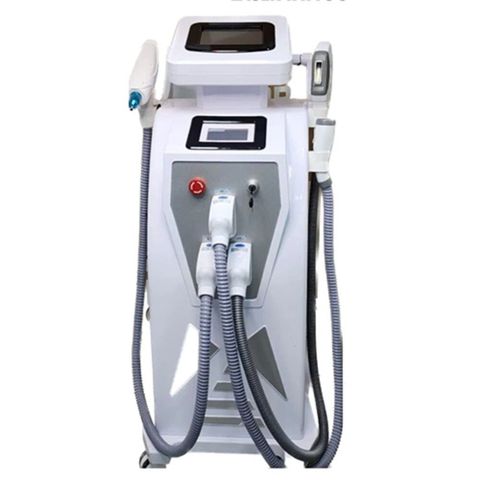
Explore Laser Treatments: An Informative Guide to Applications, Methods, and Details
Updated: November 14, 2026
Read More
Learn About Hair Styling Products: Tips, Knowledge, and Helpful Resources
Updated: November 14, 2026
Read More
Explore Makeup Products: An Informative Guide to Types, Ingredients, and Applications
Updated: November 14, 2026
Read More