Learn About Smart City Infrastructure Tools: Tips, Knowledge, and Helpful Resources
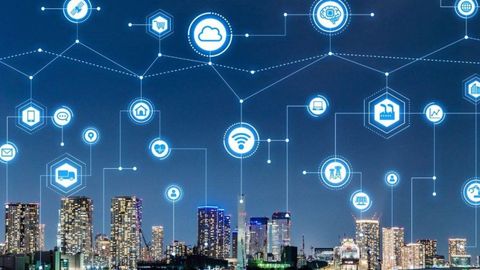
Smart city infrastructure tools are technologies, digital platforms, sensors, software, and data systems used to help cities monitor infrastructure and manage urban services. These tools connect physical assets with digital information so that city authorities can better understand conditions, identify problems, and make informed decisions.
The concept exists because modern cities manage many interconnected systems, including transportation, water, electricity, waste collection, public spaces, buildings, and emergency services. Traditional management methods can make it difficult to collect and analyse information from these systems quickly.
Smart city technology combines areas such as the Internet of Things (IoT), cloud computing, geographic information systems (GIS), artificial intelligence, data analytics, connected sensors, and urban management software.
Common categories include:
- Smart city sensors for collecting environmental and infrastructure data
- Smart traffic management systems for monitoring road conditions and movement
- Smart parking systems for managing parking information
- Smart lighting systems for monitoring and controlling public lighting
- Smart water management for tracking water infrastructure and consumption
- Smart waste management systems for improving collection planning
- Smart energy management for monitoring energy use
- Smart city data platforms for bringing information from different sources together
- Urban data analytics for identifying patterns and supporting planning
- City monitoring systems and integrated command centres for operational awareness
In India, digital urban infrastructure is increasingly connected with initiatives such as the National Urban Digital Mission (NUDM), which aims to create shared digital infrastructure, standards, platforms, and frameworks for urban governance.
Why Smart City Infrastructure Matters Today
Cities are growing while expectations for reliable public infrastructure and responsive governance are increasing. Smart infrastructure technology can help cities understand how public assets and services are performing.
For example, sensors can provide information about traffic conditions, water levels, air quality, energy consumption, or waste collection requirements. That information can then be analysed through urban data platforms and dashboards.
The importance of these systems can be seen across several areas.
Transportation: Intelligent transportation systems can combine information from traffic sensors, cameras, road infrastructure, and public transport systems to support better traffic management.
Water management: Connected monitoring systems can help identify unusual water usage, monitor infrastructure conditions, and support more informed water-resource planning.
Energy management: Smart energy management systems can provide information about electricity consumption and help identify patterns that require attention.
Waste management: Smart waste management tools can use collection data and monitoring systems to improve planning and understand where waste-management resources are needed.
Public safety and monitoring: Integrated command and control systems can bring information from different city departments into a central operational environment.
Urban planning: Urban data analytics can help planners examine population patterns, infrastructure requirements, transportation conditions, and other city-level indicators.
These technologies affect residents, municipal authorities, urban planners, transport agencies, utilities, emergency-response teams, and other organisations involved in city management.
A major advantage of digital infrastructure is interoperability. When different systems can exchange information using common standards, cities can reduce isolated data systems and develop a more connected view of urban operations. NUDM standards specifically address interoperability, integration, data exchange, security, privacy, and data quality.
Smart City Technology: How the Main Tools Work
Smart city infrastructure generally operates through several connected layers.
| Technology Layer | Typical Function | Examples |
|---|---|---|
| Sensors | Collect information | Traffic, water, air-quality sensors |
| Connectivity | Transfer information | IoT networks, cellular networks |
| Data platforms | Store and organise information | Urban data platforms |
| Analytics | Identify patterns | Urban data analytics, AI |
| Dashboards | Present information | City monitoring dashboards |
| Management systems | Support operations | Traffic, water, waste systems |
A smart city sensor may collect information from a physical environment. Connectivity then transfers that information to a platform where it can be stored and analysed. A dashboard can display the results to authorised users.
This creates a basic information cycle: collect → connect → analyse → monitor → respond.
The effectiveness of this approach depends not only on technology but also on data quality, governance, cybersecurity, privacy protection, staff capabilities, and coordination between departments.
Recent Updates in Smart City Infrastructure
India's digital urban infrastructure has continued to develop during 2026. The National Urban Digital Mission reported several developments involving digital governance and urban data.
On 28 October 2026, NUDM announced the release of UPYOG Version 5.1, reflecting continued development of its shared digital urban-governance platform. NUDM also reported work on strengthening digital urban governance in Karnataka in September 2026 and an industry consultation in August 2026 focused on the next phase of digital urban governance.
In July 2026, the Ministry of Housing and Urban Affairs highlighted the Bhubaneswar Integrated Command and Control Centre (ICCC) as an example of data-driven urban governance and smart city operations.
Urban monitoring is also becoming more data-oriented. The UMEED platform is designed as a consolidated decision-support system for urban and municipal service information. NUDM states that data from more than 2,000 urban local bodies across 14 states was being contributed to the dashboard at the time of its latest published information.
Urban mobility is another important development area. As of 13 October 2026, the PM-eBus Sewa programme reported 10,000 sanctioned buses across 115 cities, with more than 1,050 buses deployed and 28 cities operational.
These developments show a broader movement toward connected transportation, digital governance, urban analytics, and integrated infrastructure management.
Laws, Policies, and Government Programmes in India
Smart city infrastructure in India operates within a wider framework of urban development policies, digital governance standards, data-management requirements, and sector-specific regulations.
The National Urban Digital Mission, launched by the Ministry of Housing and Urban Affairs in February 2021, focuses on shared digital infrastructure for urban governance. Its objectives include developing digital platforms, data infrastructure, open standards, registries, and scalable applications for urban local bodies.
The India Urban Data Exchange (IUDX) is another important part of India's urban-data ecosystem. It is designed to support secure and structured exchange of urban data between relevant systems and stakeholders.
Data governance is particularly important because smart city systems can process large quantities of information. NUDM's standards include areas covering security assurance, privacy, data models, APIs, metadata, and data quality.
Urban infrastructure also intersects with broader programmes such as the Smart Cities Mission, AMRUT, Swachh Bharat Mission-Urban, and public-transport initiatives. Government monitoring information shows continuing implementation of major urban programmes.
The policy environment can therefore affect how cities collect, share, protect, and use data, as well as how digital systems integrate with existing municipal infrastructure.
Tools and Resources for Smart City Infrastructure
Several resources can help readers understand smart urban technology and digital governance.
National Urban Digital Mission (NUDM): A major reference point for India's digital urban infrastructure. It provides information about platforms, standards, frameworks, and urban digital initiatives. India Urban Data Exchange (IUDX): Useful for understanding urban data exchange, data platforms, and structured information sharing between systems.
UMEED: A national urban monitoring and decision-support platform focused on urban and municipal service indicators.
UPYOG: A shared digital platform under NUDM that supports various urban citizen and municipal applications, including property-tax, grievance, water and sewerage, and waste-related functions.
NUDM Standards: Helpful for understanding interoperability, APIs, data models, security, privacy, and data-management principles in digital urban systems.
MoHUA Mission Dashboard: Provides information on major urban-development programmes and their implementation indicators.
For research or planning, useful technical resources may also include GIS software, IoT monitoring platforms, database systems, data-visualisation tools, traffic analytics platforms, and urban planning datasets.
Frequently Asked Questions
What are smart city infrastructure tools?
They are technologies and digital systems used to monitor, analyse, and manage urban infrastructure and services. Examples include IoT sensors, smart traffic systems, urban data platforms, monitoring dashboards, and smart energy systems.
How does IoT support smart cities?
IoT connects physical devices and sensors to digital networks. These devices can collect information about traffic, environmental conditions, utilities, public infrastructure, and other urban systems.
What is an urban data platform?
An urban data platform is a digital environment used to collect, organise, integrate, analyse, and share information from different urban systems. It can help authorities develop a more connected view of city operations.
What is the role of smart city software?
Smart city software can help manage and analyse information related to areas such as transportation, water, waste, energy, public infrastructure, and municipal services.
Are smart city systems only about sensors?
No. Sensors are only one component. A complete smart city infrastructure can include connectivity, databases, APIs, cloud systems, analytics, GIS, dashboards, cybersecurity controls, governance frameworks, and management applications.
Conclusion
Smart city infrastructure tools bring digital technologies into urban planning and infrastructure management. Sensors, IoT networks, data platforms, analytics, GIS, intelligent transportation systems, and management software can work together to provide more useful information about city operations.
The development of India's digital urban ecosystem shows that smart city technology is increasingly connected with standardisation, data governance, interoperability, and digital public infrastructure. Current initiatives such as NUDM, IUDX, UMEED, and UPYOG illustrate how technology can support different aspects of urban governance.
The long-term value of smart infrastructure depends on more than adopting new technology. Reliable data, appropriate policies, privacy and security safeguards, interoperable systems, skilled teams, and citizen-focused planning are equally important for developing effective and sustainable smart cities.

Related Post...

Explore Button Hole Machines: Essential Facts, Features, and Application
Updated: November 12, 2026
Read More
Understanding Accounting Software: Essential Facts, Functions, and Practical Details
Updated: November 16, 2026
Read More
Learn about Digital Document Management: Essential Tools, Benefits, and Detail
Updated: November 12, 2026
Read More