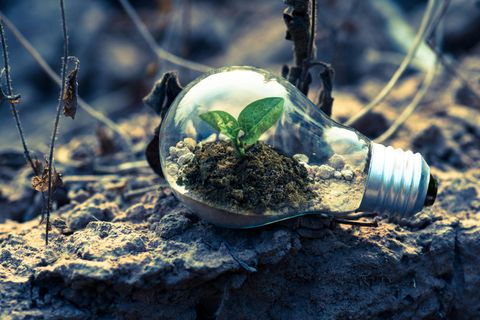
The environment provides essential resources, including clean air, drinking water, fertile soil, food, and materials used in everyday life. However, pollution, deforestation, excessive resource consumption, and greenhouse gas emissions can damage natural systems. Environmental awareness helps people understand these challenges and identify practical ways to reduce their impact.
The Meaning of Environmental Sustainability
Environmental sustainability means using natural resources responsibly so that ecosystems can continue supporting life over the long term. It involves balancing human needs with the protection of biodiversity, natural habitats, and essential resources.
Important principles include:
Conserving water and energy.
Reducing waste and unnecessary consumption.
Protecting forests, wetlands, and wildlife.
Supporting cleaner energy sources.
Encouraging responsible production and consumption.
Improving environmental education and public participation.
Environmental sustainability is not limited to individual habits. It also involves decisions made by governments, schools, businesses, industries, and urban planners.
Why Environmental Awareness Matters Today
Climate Change and Environmental Protection
Climate change is one of the major environmental challenges facing the world. Human activities, particularly burning fossil fuels and changing land use, increase greenhouse gas concentrations in the atmosphere. These gases trap heat and contribute to rising temperatures, changing rainfall patterns, melting ice, and sea-level rise.
The effects are not the same everywhere. Some communities experience prolonged droughts, while others face flooding, heatwaves, stronger rainfall events, or coastal risks. These changes can affect agriculture, public health, water availability, infrastructure, and economic stability.
Environmental awareness helps people understand the causes of these problems and the difference between reducing emissions and preparing for unavoidable climate impacts.
Who Is Affected?
Environmental challenges affect nearly everyone, but their consequences can be especially serious for people who have limited access to healthcare, reliable water, safe housing, or climate-resilient infrastructure.
Groups and systems affected include:
Children and older adults: Air pollution and extreme heat can create additional health risks.
Farmers: Changing rainfall and soil conditions can affect crop production.
Urban communities: Traffic emissions, poor waste management, and limited green spaces can reduce environmental quality.
Coastal populations: Sea-level rise and coastal erosion can threaten homes and infrastructure.
Wildlife and ecosystems: Habitat loss, pollution, and changing temperatures can disrupt biodiversity.
Environmental awareness supports better decisions by helping communities recognize risks, conserve resources, and understand the relationship between healthy ecosystems and human well-being.
The Role of Renewable Energy Education
Renewable energy education explains how energy sources such as sunlight, wind, flowing water, and geothermal heat can generate electricity or provide useful heat. Unlike fossil fuels, these resources are naturally replenished.
Solar and wind power are increasingly important in electricity systems. Renewable energy can help reduce emissions when it replaces fossil-fuel generation, although its overall environmental impact also depends on equipment manufacturing, land use, storage, and infrastructure.
Learning about renewable energy helps households, students, and communities understand energy efficiency, electricity consumption, and the transition toward lower-emission energy systems.
Sustainable Cities and Climate Resilience
Sustainable cities aim to improve living conditions while reducing pollution, resource consumption, and environmental damage. Common approaches include reliable public transport, energy-efficient buildings, urban forests, waste separation, water conservation, and accessible public spaces.
Climate resilience refers to the ability of communities, infrastructure, and ecosystems to prepare for, withstand, recover from, and adapt to climate-related hazards.
Examples include planting shade trees to reduce urban heat, improving drainage to manage heavy rainfall, protecting wetlands that absorb floodwater, and developing heat action plans.
Together, sustainable urban planning and climate resilience can help cities protect residents while improving environmental quality.
Recent Environmental Updates and Trends
Environmental awareness is increasingly connected to renewable electricity, climate adaptation, biodiversity protection, and sustainable urban development. Recent reports show both progress and continuing challenges.
Global Climate Findings in 2025–2026
On 4 November 2025, the United Nations Environment Programme (UNEP) published its Emissions Gap Report 2025. The report estimated that global warming could reach approximately 2.3–2.5°C over this century if countries fully implement their announced climate pledges, while projections based on current policies were around 2.8°C. These are projections, not guaranteed outcomes. The report emphasized that stronger emissions reductions remain necessary.
Renewable Energy Growth in India
According to India's Ministry of New and Renewable Energy, a government announcement published on 10 January 2026 reported that the country's installed non-fossil electricity capacity reached 266.78 GW during 2025. The reported increase included substantial growth in solar and wind power. Installed capacity measures the maximum rated generation capability, not the amount of electricity actually produced.
This expansion demonstrates the growing importance of renewable energy education, grid infrastructure, energy storage, and efficient electricity use. It also highlights the need to integrate new generation capacity into the power system reliably.
Environmental Trends to Watch
Climate adaptation: Communities are improving heat preparedness, flood management, and water conservation.
Clean electricity: Solar and wind power are expanding, while transmission and storage remain important challenges.
Circular economy: Recycling, repair, reuse, and responsible material management help reduce waste.
Nature-based solutions: Urban trees, wetlands, and restored ecosystems can support biodiversity and climate resilience.
Environmental data: Satellite observations, air-quality monitoring, and digital mapping help researchers and communities understand environmental changes.
These developments show why environmental knowledge should combine scientific evidence with practical action.
Environmental Laws, Policies, and Government Programs in India
Environmental protection in India is supported by constitutional principles, national legislation, regulatory authorities, and government programs. The rules applicable to a particular activity depend on its location, environmental impact, and relevant state or central regulations.
Major Environmental Laws
Law or policy | Main purpose |
|---|---|
Environment (Protection) Act, 1986 | Provides a broad framework for environmental protection and pollution control. |
Water (Prevention and Control of Pollution) Act, 1974 | Addresses water pollution and regulatory oversight. |
Air (Prevention and Control of Pollution) Act, 1981 | Provides measures for preventing and controlling air pollution. |
Biological Diversity Act, 2002 | Supports biodiversity conservation and the sustainable use of biological resources. |
Solid Waste Management Rules, 2016 | Establishes requirements for managing and processing solid waste. |
These laws and rules help establish environmental responsibilities, pollution standards, and compliance requirements. Amendments and later notifications can change specific provisions, so current official documents should be consulted before making legal decisions.
National Climate and Sustainability Initiatives
National Action Plan on Climate Change (NAPCC): This framework includes national missions addressing solar energy, energy efficiency, sustainable habitats, water, forests, sustainable agriculture, and climate knowledge.
Mission LiFE (Lifestyle for Environment): Led by the Government of India, this initiative encourages environmentally responsible habits, including reducing waste, conserving energy, and using resources mindfully. Its aim is to make sustainable living a shared public responsibility.
National Clean Air Programme (NCAP): This program focuses on improving air quality through pollution monitoring, city-level planning, and coordinated measures to reduce air pollution.
Renewable energy initiatives: Government programs support the development and adoption of solar energy and other non-fossil energy sources. Their implementation involves different ministries, state agencies, regulators, and electricity providers.
Why Environmental Compliance Matters
Environmental laws can affect waste disposal, industrial emissions, construction, water use, forest protection, and other activities. Individuals and organizations should understand the rules that apply to their circumstances and follow the relevant permissions, reporting requirements, and pollution-control standards.
Official legislation and government notifications are more reliable than unverified online summaries when checking legal obligations.
Tools and Resources for Environmental Learning
Environmental education becomes more useful when people can access reliable information, track relevant indicators, and explore practical ways to reduce environmental impacts.
Useful Websites and Digital Tools
Ministry of Environment, Forest and Climate Change: moef.gov.in provides environmental policies, official announcements, and information on conservation initiatives.
Ministry of New and Renewable Energy: mnre.gov.in publishes information on renewable energy development and government programs.
Central Pollution Control Board: cpcb.nic.in provides pollution-control information and environmental monitoring resources.
NASA Climate Change: science.nasa.gov/climate-change explains climate science, observed changes, and scientific evidence.
United Nations Environment Programme: unep.org publishes global environmental assessments and sustainability research.
Global Footprint Network: footprintcalculator.org provides an ecological footprint calculator for exploring personal resource consumption.
Practical Environmental Awareness Checklist
Daily sustainability habits
0 of 7
Frequently Asked Questions
What is environmental awareness in simple words?
Environmental awareness means understanding nature, recognizing how human activities affect the environment, and learning how to protect natural resources through informed decisions.
How can individuals support environmental sustainability?
People can conserve water and electricity, reduce food waste, reuse materials, separate household waste, choose lower-emission transport when practical, and protect local green spaces.
Why is renewable energy education important?
It helps people understand solar, wind, and other renewable energy technologies, their environmental benefits, and challenges such as energy storage, transmission infrastructure, and land use.
What is the difference between climate change mitigation and climate resilience?
Mitigation reduces greenhouse gas emissions or increases carbon removal. Climate resilience helps communities and ecosystems prepare for, withstand, and recover from climate-related impacts.
Which environmental resources are reliable for students?
Government environmental agencies, NASA, UNEP, scientific publications, and educational institutions are useful starting points. Students should check publication dates, evidence, and the credibility of each source.
Conclusion
Environmental awareness connects scientific knowledge with everyday decisions, public policy, and community planning. Understanding environmental sustainability, renewable energy education, sustainable cities, and climate resilience helps people recognize environmental risks and evaluate possible solutions.
Progress requires cooperation among individuals, educational institutions, communities, governments, and industries. Small actions can contribute to broader improvements, but lasting environmental protection also depends on effective policies, responsible resource management, cleaner energy systems, and reliable scientific evidence.
Learning about the environment is an ongoing process. By using credible resources, understanding applicable environmental rules, and making informed choices, people can contribute to a healthier environment and a more sustainable future.