Learn Smart Metering Systems: Essential Facts, Details, and Helpful Resources for Beginners
Smart metering systems are digital technologies that measure electricity, gas, or water consumption and communicate recorded information to utility providers or authorized monitoring platforms. Unlike traditional meters that usually require manual readings, many smart meters can transmit readings automatically through communication networks.
These systems help utilities understand consumption patterns, monitor electricity distribution, identify certain technical problems, and prepare more accurate usage records. Consumers may also gain access to more detailed information about when and how much electricity they use, depending on the meter and the available monitoring platform.
Smart metering systems combine several technologies, including digital meters, communication devices, data management platforms, and analytical software. Their purpose is to improve the collection and use of consumption data.
What Is Advanced Metering Infrastructure (AMI)?
Advanced Metering Infrastructure (AMI) is an integrated system that connects smart meters with communication networks and utility data management applications. It supports two-way communication in many implementations, allowing authorized systems to exchange information with compatible meters.
AMI generally includes three main components:
Smart meters: Record consumption and other supported electrical measurements.
Communication networks: Transfer readings and authorized commands between meters and utility systems.
Meter data management systems: Receive, validate, organize, and process meter information for operational and billing activities.
AMI differs from Automated Meter Reading (AMR), which traditionally focuses on collecting meter readings remotely, often through one-way communication. Some AMR systems have additional capabilities, so the distinction depends on the specific implementation.
How Smart Electricity Meter Technology Works
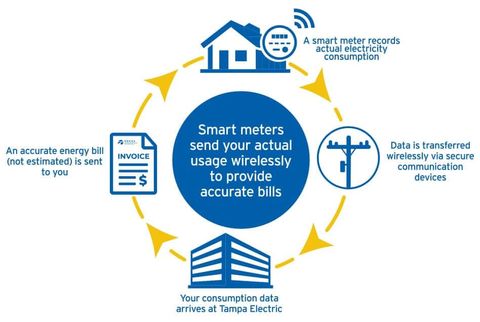
Smart electricity meter technology begins by measuring electrical energy consumed over time. The meter records the measurements and stores readings according to its configuration.
A communication network then transfers the relevant data to an authorized utility platform. The communication method may include cellular networks, radio-frequency mesh networks, power-line communication, or other technologies.
The utility's software processes the received information and makes it available for approved purposes, such as billing, consumption analysis, outage investigation, and network planning.
Why Smart Metering Systems Are Important
Smart metering systems help electricity providers and consumers understand energy use more accurately. They can reduce dependence on manual readings and support better planning of electricity distribution.
Benefits for households
Smart meters may help households:
Review electricity consumption at different times of the day.
Identify changes in usage patterns.
Monitor readings through compatible mobile applications or online portals.
Understand prepaid balances or billing information, where supported.
Make informed decisions about appliance use and energy conservation.
A smart meter does not automatically reduce electricity consumption. Any reduction depends on how consumers use the available information and whether practical changes are made.
Benefits for utilities
Electricity distribution companies can use smart metering data to improve several operational activities:
Reduce manual meter-reading requirements.
Identify unusual consumption patterns for further investigation.
Improve energy accounting and billing records.
Support outage detection and restoration planning.
Monitor distribution transformers and electricity feeders.
Analyze technical and commercial losses.
Industrial Energy Monitoring Systems
Industrial Energy Monitoring Systems use meters, sensors, and analytical software to measure electricity consumption across machines, production lines, and facilities. When integrated with smart metering infrastructure, these systems can help identify equipment with high energy demand, compare consumption across operating periods, and support energy-efficiency planning.
Smart Metering Technologies Compared
Technology | Main function | Typical application |
|---|---|---|
Traditional electricity meter | Records cumulative energy consumption | Homes and small establishments |
Smart electricity meter | Records digital readings and supports communication | Residential and commercial electricity monitoring |
Automated Meter Reading (AMR) | Collects meter readings remotely | Utility meter-reading operations |
Advanced Metering Infrastructure (AMI) | Integrates meters, communication networks, and data platforms | Two-way utility monitoring and management |
Industrial energy monitoring | Tracks energy use across equipment and facilities | Factories and large buildings |
The capabilities of each system depend on its configuration, communication network, measurement accuracy, and software integration.
Recent Developments in Smart Metering
Smart metering adoption has continued to expand in India as electricity distribution companies modernize their networks.
Installation progress reported in February 2026
On 2 February 2026, India's Ministry of Power reported that 3.90 crore smart meters had been installed under the Revamped Distribution Sector Scheme (RDSS) by 31 December 2025. Across RDSS and other schemes, the total installed number was reported as 5.28 crore. The scheme also covers distribution transformers and electricity feeders.
The RDSS initiative supports improvements in distribution efficiency, metering infrastructure, and the financial sustainability of electricity distribution utilities.
Growth in smart prepaid metering
In December 2025, the Ministry of Power reported continued expansion of smart prepaid meters under RDSS. Prepaid functionality allows consumers to monitor their available balance and electricity use through compatible systems. Actual features and procedures depend on the local electricity distribution company and applicable regulations.
Greater focus on domestic technology
The government has also emphasized domestic manufacturing and development of smart metering infrastructure. In a December 2025 announcement, the Ministry of Power described local-content requirements for smart meters and related data management systems. These measures aim to strengthen domestic capabilities in the electricity technology sector.
Other important trends include stronger data security, integration with smart grid technology solutions, improved communication reliability, and the use of meter data for energy audits.
Laws, Regulations, and Government Programs in India
Smart metering in India is governed by electricity legislation, technical regulations, and distribution-sector modernization programs.
Central Electricity Authority (CEA) regulations
The CEA (Installation and Operation of Meters) Regulations, 2006, as amended, establish requirements relating to meter standards, installation, testing, accuracy, maintenance, and recording of electricity consumption. The CEA published further amendments in 2026, making its official regulatory page an important reference for current requirements.
Revamped Distribution Sector Scheme (RDSS)
Launched in July 2021, RDSS supports smart metering and distribution infrastructure improvements. Its objectives include better electricity accounting, improved operational efficiency, and reduced distribution losses. The scheme has been extended through 31 March 2028.
Electricity Act, 2003
The Electricity Act, 2003 provides the broader legal framework for electricity generation, transmission, distribution, and regulation in India. State electricity regulatory commissions also establish applicable rules and procedures within their jurisdictions.
Consumers should consult their local distribution company for information about meter installation, prepaid operation, billing disputes, and complaint procedures. Requirements may differ by state and consumer category.
Tools and Resources for Learning
The following resources help beginners explore smart metering and electricity management:
Ministry of Power: Government announcements, electricity policies, and distribution-sector developments.
Central Electricity Authority: Metering regulations, technical guidance, and electricity-sector publications.
RDSS Dashboard: Information on smart meter installation and scheme progress.
Bureau of Energy Efficiency: Resources on energy conservation and energy efficiency.
Local electricity distribution company portal: Check available meter readings, consumption records, prepaid balance information, and billing details.
Energy monitoring spreadsheets: Record daily or monthly electricity readings to compare consumption across periods and identify unusual changes.
When reviewing smart meter data, users should protect account credentials and avoid sharing detailed consumption records publicly. Electricity usage patterns can reveal information about household routines, so data access and security deserve attention.
Frequently Asked Questions
What is a smart metering system?
It is a digital system that measures electricity or other utility consumption and can transmit readings electronically to authorized monitoring platforms.
What is the difference between AMI and AMR?
AMI typically supports integrated, two-way communication between meters and utility systems. AMR generally focuses on automated remote collection of meter readings, often using one-way communication.
Can smart meters help reduce electricity consumption?
They can help users understand consumption patterns, but actual reductions depend on how that information is used and whether energy-saving changes are made.
Are smart meters mandatory in India?
India has regulations and government programs supporting smart meter deployment. The applicable requirements and implementation timelines depend on current central rules, state regulations, and the relevant consumer category.
Are smart metering systems secure?
Security depends on device design, encryption, access controls, software updates, and utility practices. Appropriate safeguards help protect consumption data and reduce the risk of unauthorized access.
Conclusion
Smart metering systems are an important part of modern electricity infrastructure. By combining digital meters, communication networks, and data management platforms, they support more detailed consumption monitoring and improved electricity distribution operations.
Understanding Advanced Metering Infrastructure, Automated Meter Reading, smart grid technology, and industrial energy monitoring helps beginners see how these systems work together. In India, government programs and technical regulations continue to shape their deployment.
As adoption grows, reliable communication, accurate measurements, data privacy, cybersecurity, and consumer awareness will remain essential to effective smart metering.

Related Post...
Explore Social Impacts of Robotics: A Complete Guide to Benefits, Challenges, and Social Change
Updated: October 23, 2026
Read More
Understanding Cloud Health Dashboards: Key Facts, Details, and Practical Applications.
Updated: October 19, 2026
Read More