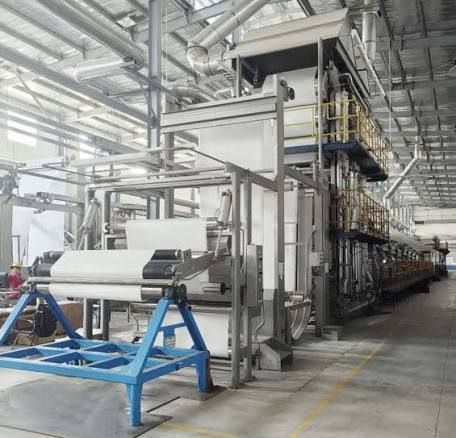
Learn Stitching Machine Basics: Helpful Tips, Facts, and Practical Insights
A stitching machine is a mechanical or electronic device used to join fabrics, leather, and other flexible materials through stitches made with thread. It is an important part of clothing production, textile manufacturing, upholstery, embroidery, and many other applications.
Before stitching machines became widely available, fabric was joined mainly through hand sewing. Although hand stitching remains useful for detailed work, machine-based stitching allows repeated patterns, consistent seams, and faster fabric assembly.
Modern sewing machine technology includes mechanical systems, electronic controls, computerized functions, and automated material handling. Different machines are designed for different fabrics, stitching patterns, production requirements, and levels of precision.
Stitching machines are used in homes, tailoring workshops, garment factories, textile units, footwear production, and upholstery facilities. Understanding their operating principles helps users select appropriate equipment, recognize common machine components, and follow suitable maintenance practices.
Main Components of a Stitching Machine
Most conventional stitching machines contain several basic components that work together to form stitches.
Needle: Carries the upper thread through the fabric.
Presser foot: Holds the fabric in position while stitching.
Feed dogs: Move the material forward at a controlled rate.
Bobbin: Holds the lower thread used in stitch formation.
Bobbin case: Supports and controls the bobbin.
Thread tension control: Regulates thread movement to maintain balanced stitches.
Handwheel: Allows manual movement of the needle mechanism.
Motor: Provides mechanical power to operate the machine.
Stitch selector: Changes stitch patterns or lengths on machines with adjustable settings.
The relationship between the needle, bobbin, thread tension, and fabric movement determines the quality of the finished seam.
Different Types of Stitching Machines
Stitching machines are available in different designs because materials and manufacturing tasks require different stitching methods.
| Machine type | Main characteristics | Common applications |
|---|---|---|
| Single-needle lockstitch | Uses upper and lower threads | Shirts, trousers, and general garments |
| Overlock machine | Trims and finishes fabric edges | Knitwear and garment edges |
| Flatlock machine | Creates flat seams | Sportswear and stretch fabrics |
| Chainstitch machine | Forms chain-like stitches | Garment construction and decorative seams |
| Embroidery machine | Creates programmed decorative patterns | Logos, designs, and fabric decoration |
| Multi-needle machine | Uses multiple needles | Parallel stitching and specialized seams |
| Computerized machine | Uses electronic controls and programmed settings | Decorative and precision stitching |
Industrial stitching machines are designed for repetitive manufacturing activities and longer operating periods. They commonly feature specialized motors, stronger construction, and application-specific stitching mechanisms.
Commercial sewing machines are generally used in tailoring workshops, upholstery units, garment production facilities, and other professional environments.
Automatic stitching machines can perform selected operations with reduced manual intervention. Depending on their design, they may include automatic thread trimming, needle positioning, programmable patterns, or fabric-handling functions.
Understanding Sewing Machine Technology
Modern sewing machine technology has developed beyond basic mechanical operation. Electronic controls, automation, and computerized systems have changed how stitching tasks are performed.
Important technological developments include:
Computerized stitch control: Allows users to select patterns and adjust stitching settings electronically.
Automatic thread trimming: Cuts thread at the end of selected stitching operations.
Needle positioning: Stops the needle at a programmed upper or lower position.
Direct-drive motors: Transfer motor power more directly to the machine mechanism.
Programmable stitching: Supports repeated patterns and controlled stitching sequences.
Sensor-based monitoring: Helps detect selected operating conditions or machine errors.
Automatic fabric handling: Supports repetitive material positioning and specialized production tasks.
These technologies can improve consistency and reduce certain manual operations. However, their effectiveness depends on machine configuration, material characteristics, operator knowledge, and maintenance.
Fabric Stitching Machines and Material Compatibility
Fabric stitching machines must be selected according to the thickness, elasticity, texture, and construction of the material.
For example, lightweight cotton and synthetic fabrics generally require different settings from thick denim, leather, or layered upholstery materials.
Important considerations include:
Needle size and needle-point type.
Thread thickness and material.
Stitch length and stitch type.
Presser-foot pressure.
Feed mechanism.
Machine speed and motor capability.
Incorrect combinations can cause skipped stitches, thread breakage, fabric damage, uneven seams, or needle bending.
Textile stitching equipment used in industrial production may also include fabric spreading systems, cutting equipment, specialized sewing heads, and automated material-positioning mechanisms.
Importance of Stitching Machines in Modern Manufacturing
Stitching machines play an important role in the textile and garment industry because they help join materials consistently and support large-scale fabric production.
Their applications extend beyond clothing. They are also used in footwear, automotive interiors, furniture upholstery, bags, protective clothing, and technical textiles.
Who uses stitching machines?
Tailors and garment makers: For assembling, repairing, and finishing clothing.
Textile manufacturers: For joining fabric components during production.
Fashion designers: For developing garments and testing different stitching techniques.
Upholstery professionals: For stitching furniture covers, curtains, and interior materials.
Footwear manufacturers: For joining leather and synthetic material components.
Industrial production units: For repetitive stitching operations and specialized fabric construction.
Industrial sewing machines can help maintain consistent stitching across repeated production tasks. Specialized equipment can also address challenges involving thick materials, stretch fabrics, decorative patterns, and complex seams.
Recent Developments in Stitching Machine Technology
The textile industry continues to adopt automation, improved motor systems, digital controls, and specialized manufacturing equipment. Developments during 2025 and 2026 reflect a wider focus on production modernization and industrial safety.
Textile machinery policy developments in 2025
On 27 August 2025, the Ministry of Textiles announced the rescinding of the Quality Control Order on textile machinery. The implementation of the Machinery and Electrical Equipment Safety Omnibus Technical Regulation was also extended to 1 September 2026 under the relevant government notifications. The regulatory position was subsequently updated in January 2026, when the Omnibus Technical Regulation Order was withdrawn on 16 January 2026. Manufacturers should therefore check the latest applicable notifications rather than rely on earlier implementation dates.
Growth of integrated textile manufacturing
On 24 December 2025, the Ministry of Textiles published its annual review highlighting progress under the PM Mega Integrated Textile Region and Apparel (PM MITRA) Parks Scheme. The initiative focuses on developing integrated textile manufacturing infrastructure, including facilities that support different stages of the textile value chain.
Automation and digital controls
Modern textile production increasingly uses programmable stitching, electronic controls, automatic thread trimming, and direct-drive motor systems. These technologies support repeatable operations and help reduce selected manual tasks.
Energy efficiency and machine monitoring
Manufacturers are also paying attention to motor efficiency, machine operating conditions, preventive maintenance, and production monitoring. These practices can help identify equipment problems and improve operational consistency.
Laws, Standards, and Government Policies in India
Stitching machine manufacturing and industrial use are influenced by product standards, workplace safety requirements, electrical safety provisions, and textile-sector policies.
Bureau of Indian Standards (BIS)
The Bureau of Indian Standards publishes technical standards relating to sewing machine construction, components, performance, and safety.
In January 2025, BIS issued implementation guidelines for the revised standard IS 15449 (Part 1):2024, covering household zigzag sewing machine heads. The implementation deadline was 12 May 2025. This is a relevant example of how technical standards are updated to address product requirements.
Occupational Safety, Health and Working Conditions Code, 2020
India brought the Occupational Safety, Health and Working Conditions Code into force on 21 November 2025. Its provisions include responsibilities relating to workplace safety and the safe design, construction, and use of equipment. Applicable requirements depend on the establishment and relevant provisions.
Government textile initiatives
PM MITRA: Supports integrated textile and apparel manufacturing infrastructure.
PLI Scheme for Textiles: Focuses on selected man-made fibre apparel, fabrics, and technical textile products.
SAMARTH: Supports skill development and training in the textile sector.
National Technical Textiles Mission: Encourages research, innovation, and development in technical textiles.
These initiatives support broader textile-sector development, although eligibility and applicable conditions differ across programs.
Helpful Tools and Educational Resources
The following resources help users understand machine operation, technical standards, textile production, and maintenance.
Bureau of Indian Standards: provides information about Indian Standards and product certification.
Ministry of Textiles: publishes textile-sector policies, programs, and industry information.
Office of the Textile Commissioner: provides information about textile-sector schemes and initiatives.
SAMARTH: provides information about textile-sector skill development.
Manufacturer instruction manuals: Explain threading, stitch adjustment, machine operation, lubrication, and maintenance for specific models.
Machine maintenance checklists: Help record cleaning, needle replacement, lubrication, and inspection activities.
Practical Tips for Stitching Machine Operation
Select the correct needle according to fabric thickness and material.
Use suitable thread for the intended stitching application.
Check upper-thread and bobbin tension before starting.
Test stitch length and fabric movement on a sample piece.
Clean lint and dust from accessible machine areas regularly.
Follow the manufacturer's lubrication and maintenance instructions.
Switch off and isolate electrical power before appropriate cleaning or maintenance.
Keep fingers away from the needle and moving machine components.
Frequently Asked Questions
What is the difference between domestic and industrial stitching machines?
Domestic machines are generally designed for household sewing and occasional projects. Industrial stitching machines are built for specialized applications and repetitive production operations.
What are automatic stitching machines used for?
They perform selected stitching operations using programmed settings or automated functions such as thread trimming, needle positioning, and repeated pattern formation.
Which stitching machine is suitable for thick fabrics?
Heavy-duty or specialized industrial machines are commonly used for thick materials such as denim, canvas, leather, and upholstery fabrics. The appropriate machine depends on material thickness and construction.
How often should a stitching machine be maintained?
Maintenance frequency depends on operating hours, machine type, material, and manufacturer instructions. Regular cleaning, needle inspection, thread checks, and scheduled maintenance help maintain consistent operation.
What skills are important for operating industrial sewing machines?
Important skills include threading, stitch adjustment, fabric handling, needle selection, tension control, basic troubleshooting, machine safety, and preventive maintenance.
Conclusion
Stitching machines are essential equipment in garment manufacturing, textile production, tailoring, footwear, and upholstery applications. Understanding their components, different types, operating principles, and maintenance requirements helps users recognize how these machines contribute to fabric construction.
Developments in automatic stitching machines, computerized controls, industrial sewing machines, and modern textile stitching equipment continue to influence manufacturing practices. However, selecting suitable equipment, maintaining proper operating conditions, and following workplace safety requirements remain important.
Learning the fundamentals of sewing machine technology provides a useful foundation for understanding traditional stitching methods as well as modern automated textile production.

Related Post...
Learn About Dyeing Machines: Essential Basics, Facts, and Practical Insights
Updated: October 30, 2026
Read More
Explore Water Treatment Plants: A Complete Guide to Processes, Technologies, and Applications
Updated: October 27, 2026
Read More
Explore Printing Machines: A Complete Guide to Types, Features, and Application
Updated: October 29, 2026
Read More