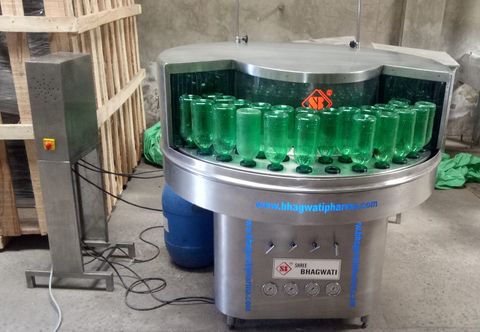
Learn About Dyeing Machines: Essential Basics, Facts, and Practical Insights
Dyeing machines are specialized industrial equipment used to apply color to textiles, fabrics, yarns, and finished garments. They play an important role in textile manufacturing by helping materials achieve specific colors, shades, and appearance characteristics.
Textile dyeing is an important stage in fabric production because color influences the appearance, identity, and intended use of textile products. Different materials require different dyeing methods depending on their fiber composition, structure, thickness, and color requirements.
Traditional dyeing methods often involved manual handling and large quantities of water. Modern industrial dyeing machines use controlled temperature, water circulation, chemical dosing, and processing times to improve consistency and manage production operations.
The development of textile dyeing equipment has introduced automated controls, improved heating systems, digital monitoring, and more efficient processing methods. These technologies help manufacturers manage production conditions and maintain repeatable results.
What Are the Main Components of a Dyeing Machine?
Although machine designs vary, most industrial dyeing machines contain several important components.
Dyeing vessel: Holds the textile material and dye bath during processing.
Heating system: Maintains the required processing temperature.
Circulation system: Moves dye liquor through or around the textile material.
Control panel: Allows operators to monitor and adjust processing conditions.
Chemical dosing system: Controls the introduction of dyes and processing chemicals.
Filtration system: Helps manage particles and unwanted material in the processing liquid.
Drainage system: Removes used processing liquid after the required treatment stages.
The design and capacity of each component depend on the textile material, dyeing technique, and production requirements.
Major Types of Industrial Dyeing Machines
Different dyeing machines are designed for different textile materials and manufacturing processes. Selecting the appropriate equipment requires an understanding of fiber characteristics, material construction, production volume, and dyeing conditions.
Fabric Dyeing Machines
Fabric dyeing machines are used to color textile materials in woven or knitted forms. They are commonly used in textile processing facilities that handle cotton, polyester, viscose, and blended fabrics.
Common fabric dyeing systems include:
Jet dyeing machines.
Soft-flow dyeing machines.
Winch dyeing machines.
Jigger dyeing machines.
Continuous fabric dyeing systems.
Jet and soft-flow systems circulate fabric and dye liquor through controlled processing paths. Jigger machines process fabric in open-width form, while winch machines move fabric in a rope-like arrangement.
Yarn Dyeing Machines
Yarn dyeing machines are designed to color yarn before it is converted into finished fabric. They are commonly used in knitting, weaving, and specialized textile production.
Common examples include:
Package dyeing machines.
Hank dyeing machines.
Beam dyeing machines.
Cone dyeing systems.
Package dyeing is widely used for yarn wound onto perforated packages, allowing dye liquor to circulate through the yarn. Hank dyeing is suitable for yarn arranged in looped bundles, while beam dyeing processes yarn wound onto a perforated beam.
Garment Dyeing Machines
Garment dyeing machines color finished textile products rather than loose fibers, yarn, or unstitched fabric. They are used for products such as shirts, trousers, casual clothing, and selected knitted garments.
These machines commonly use rotating drums or controlled liquid circulation to distribute color throughout the garment load.
Garment dyeing can produce particular appearance effects, including washed finishes and variations in shade. However, the final result depends on garment construction, fabric composition, stitching materials, and dye compatibility.
Automatic Fabric Dyeing Machines
Automatic fabric dyeing machines use programmed controls to manage important processing conditions. These may include temperature, processing time, water circulation, and chemical dosing.
Automation can help reduce variations between production batches and improve process monitoring. However, accurate results still depend on machine maintenance, correct operating procedures, dye selection, and material preparation.
Comparison of Common Dyeing Machine Types
| Machine type | Main material | Typical application |
|---|---|---|
| Jet dyeing | Fabric | Knitted and selected woven fabrics |
| Jigger dyeing | Open-width fabric | Woven textile processing |
| Winch dyeing | Rope-form fabric | Knitted and delicate fabrics |
| Package dyeing | Yarn packages | Weaving and knitting yarn |
| Hank dyeing | Yarn hanks | Specialty and decorative yarn |
| Garment dyeing | Finished garments | Casual clothing and textile products |
| Beam dyeing | Fabric or yarn on beams | Controlled circulation processing |
Each system has different operating requirements. The choice depends on material sensitivity, production capacity, shade consistency, and the desired finishing characteristics.
Importance of Dyeing Machines in the Textile Industry
Dyeing machines are important because they help textile manufacturers produce materials with consistent colors, controlled processing conditions, and specific finishing characteristics. They support different stages of textile manufacturing, from yarn preparation to finished garment processing.
Improving color consistency
Industrial dyeing machines help maintain consistent shades across production batches. Temperature, dye concentration, processing time, and liquor circulation all influence the final color.
Proper process control helps reduce uneven dyeing, unwanted shade variations, and material defects.
Supporting different textile materials
Different fibers absorb dyes differently. Cotton, polyester, wool, silk, viscose, and blended materials may require different chemicals, temperatures, and processing methods.
Specialized textile dyeing equipment helps manufacturers select suitable processing conditions for each material.
Increasing production efficiency
Automatic fabric dyeing machines can control several operations through programmed settings. This helps operators monitor production conditions and maintain repeatable processing procedures.
Benefits of modern automation include:
Controlled temperature and processing time.
Consistent chemical dosing.
Improved monitoring of dye circulation.
Reduced manual intervention in selected operations.
Better production documentation.
Environmental considerations
Traditional textile dyeing can require significant quantities of water, electricity, heat, and processing chemicals. Wastewater may contain residual dyes, salts, and other substances.
Modern dyeing technology increasingly focuses on reducing water consumption, improving heat recovery, managing chemical usage, and treating wastewater responsibly.
Recent Developments and Trends in Dyeing Machine Technology
Textile machinery is evolving through automation, digital monitoring, and environmentally conscious processing methods.
Water-efficient and low-liquor dyeing technology
Low-liquor-ratio dyeing systems use a smaller amount of processing liquid relative to the textile material. These systems can help reduce water and energy requirements, depending on the material and process conditions.
Supercritical carbon dioxide dyeing
On 1 September 2026, a report published by Messe Frankfurt discussed developments in supercritical CO₂ textile dyeing technology. This method uses carbon dioxide under controlled temperature and pressure instead of conventional water-based dye liquor for suitable applications.
The technology has potential to reduce water use and certain chemical requirements, although equipment complexity, material compatibility, and industrial adoption remain important considerations. Digital monitoring and automated controls
Modern dyeing systems increasingly incorporate digital controls and industrial sensors to monitor:
Temperature and processing time.
Dye liquor circulation.
Chemical dosing.
Water consumption.
Machine operating conditions.
Some systems also use digital color management and automated quality monitoring to identify process variations.
Developments in India's textile sector
On 24 December 2025, India's Ministry of Textiles published its year-end review highlighting progress under the PM MITRA textile park initiative, including infrastructure development and approved project activities. These integrated textile parks are intended to support different stages of textile manufacturing, including processing infrastructure.These developments indicate growing attention to modern manufacturing infrastructure and environmentally responsible textile processing.
Laws, Regulations, and Government Initiatives in India
Textile dyeing facilities must consider environmental regulations because dyeing and finishing operations can generate industrial wastewater, air emissions, and chemical waste.
Environment (Protection) Act, 1986
This legislation provides the overall framework for environmental protection in India. Relevant rules and notifications establish environmental standards for industrial activities, including textile processing.
Water (Prevention and Control of Pollution) Act, 1974
This law addresses water pollution and provides a framework for regulating industrial wastewater discharge. Textile processing facilities must follow applicable requirements and obtain relevant approvals from pollution-control authorities.
Environment (Protection) Rules, 1986
The rules include specific discharge standards for textile industries. Depending on the applicable requirements, textile dyeing facilities must monitor treated wastewater parameters and follow prescribed discharge conditions.Effluent Treatment Plants (ETPs) and Common Effluent Treatment Plants (CETPs)
ETPs treat wastewater generated within individual industrial facilities. CETPs provide centralized wastewater treatment for multiple industrial units.
A government publication in 2026 reiterated the importance of ETPs and CETPs in ensuring that textile industry wastewater meets prescribed environmental standards.
Relevant government initiatives
Initiative | Relevance to textile manufacturing |
|---|---|
PM MITRA Parks | Integrated textile manufacturing and processing infrastructure |
PLI Scheme for Textiles | Supports eligible textile manufacturing activities |
SAMARTH | Develops skills across the textile value chain |
Integrated Processing Development Scheme | Focuses on textile processing infrastructure and environmental compliance |
The Ministry of Textiles provides information about these initiatives through its official portal. Eligibility and current implementation conditions should be checked before relying on any particular scheme. Tools and Resources for Learning About Dyeing Machines
Understanding dyeing technology involves learning about machinery, fabric properties, color measurement, chemical handling, and environmental monitoring.
The following resources can support technical learning and research:
Ministry of Textiles: Government policies, textile developments, and manufacturing initiatives.
Office of the Textile Commissioner: Information about textile schemes and industry development.
Bureau of Indian Standards: Relevant technical standards and standardization resources.
Central Pollution Control Board: Pollution-control information and industrial environmental guidelines.
Textile Exchange: Information about responsible materials and textile production.
International Textile Manufacturers Federation: Industry research, technology developments, and textile machinery information.
Useful technical measurement tools
pH meters for checking processing liquid conditions.
Digital thermometers for monitoring temperature.
Colorimeters and spectrophotometers for measuring color differences.
Water flow meters for monitoring water consumption.
Pressure gauges for checking operating pressure.
Digital weighing systems for measuring textile materials and chemical quantities.
These instruments help operators monitor important processing conditions and maintain appropriate quality-control procedures.
Frequently Asked Questions
What are industrial dyeing machines used for?
Industrial dyeing machines are used to apply color to textiles, including fibers, yarns, fabrics, and finished garments. They help control processing conditions and produce consistent coloration.
What is the difference between fabric dyeing and garment dyeing machines?
Fabric dyeing machines color textile material before garment construction, while garment dyeing machines color finished clothing after stitching. Their processing methods and operating requirements differ.
How does an automatic fabric dyeing machine work?
An automatic fabric dyeing machine uses programmed controls to manage temperature, processing time, liquid circulation, and chemical dosing. Operators monitor the process to maintain suitable conditions.
Why are yarn dyeing machines important?
Yarn dyeing machines color yarn before weaving or knitting. They help manufacturers produce colored yarns for patterned fabrics, knitted materials, and other textile applications.
How can textile dyeing reduce environmental impact?
Environmental impacts can be managed through water-efficient machinery, accurate chemical dosing, heat recovery, appropriate dye selection, wastewater treatment, and responsible handling of industrial waste.
Conclusion
Dyeing machines are an essential part of modern textile manufacturing. From industrial dyeing machines and fabric dyeing equipment to yarn and garment dyeing systems, different technologies support the coloration of materials used in clothing, home textiles, and industrial applications.
Developments in automation, digital monitoring, low-liquor processing, and alternative dyeing technologies are changing how textile manufacturers manage production and environmental responsibilities.
Understanding machine types, operating principles, textile materials, and applicable Indian regulations provides a strong foundation for learning about textile dyeing technology. Responsible machinery operation, appropriate process control, and effective wastewater management remain important for maintaining product quality and supporting more sustainable textile manufacturing.

Related Post...
Discover Shale Shaker Technology: Key Facts, Details, and Industrial Applications
Updated: October 28, 2026
Read More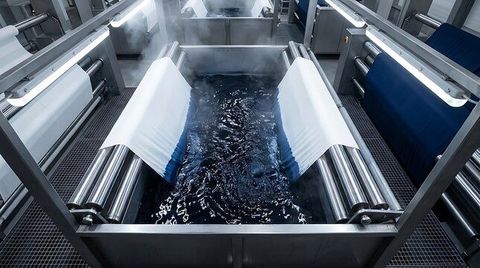
Learn About Dyeing Machines: Essential Basics, Facts, and Practical Insights
Updated: October 30, 2026
Read More
Explore Water Treatment Plants: A Complete Guide to Processes, Technologies, and Applications
Updated: October 27, 2026
Read More