Explore Floral Decoration Rentals: An Informative Guide to Themes, Designs, and Details
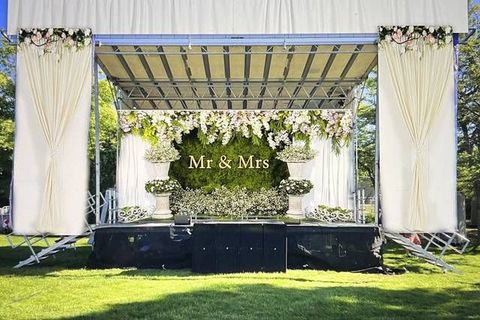
Floral decoration rentals refer to the use of reusable or temporary floral décor elements for weddings, parties, receptions, cultural functions, corporate gatherings, photo areas, and other events. These elements can include flower backdrops, floral arches, centerpieces, stage decorations, table arrangements, and decorative props.
The concept exists because event spaces often need temporary visual decoration that can be planned around a particular theme, venue, season, or occasion. Instead of creating every decorative element from scratch, rental-based arrangements can involve reusable structures and decorative components.
Floral décor may use fresh flowers, dried flowers, preserved materials, or artificial flowers. Each option has different characteristics relating to appearance, maintenance, durability, transportation, and reuse.
Common categories include:
- Floral backdrop rental
- Flower backdrop rental
- Floral arch rental
- Flower arch rental
- Floral centerpiece rental
- Floral stage decoration rental
- Floral table decoration rental
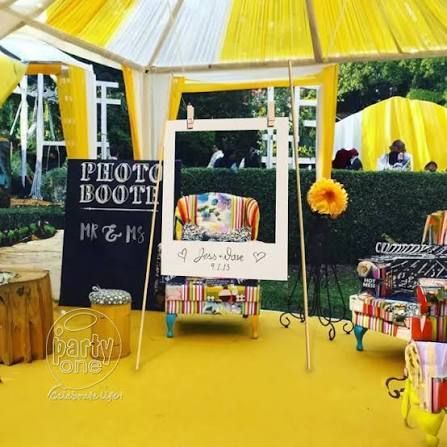
- Floral props rental
- Artificial flower decoration rental
- Floral arrangements rental
The final design generally depends on the venue, event format, color palette, available space, and type of occasion.
Why Floral Decoration Matters for Events
Floral decoration can influence how an event space looks and how different areas are visually organized. A carefully planned arrangement can distinguish entrances, stages, dining areas, photo locations, and ceremonial spaces.
This is particularly relevant for weddings and large social gatherings. Recent reporting on India's 2026 wedding season indicates that floral decoration and wedding décor are significant parts of the broader event economy. The Confederation of All India Traders estimated floral decoration and wedding décor at about ₹37,500 crore during the 2026 wedding season.
Floral decoration planning can also address practical design challenges. Large venues may appear visually empty without focal points, while smaller venues may become crowded when too many decorative structures are introduced.
Good planning therefore considers both appearance and space.
Important considerations include:
- Venue dimensions and ceiling height
- Guest movement and entry points
- Stage and seating arrangement
- Lighting conditions
- Event duration
- Flower type and seasonal availability
- Reusable versus fresh decorative materials
- Waste-management requirements
- Fire and electrical safety
Popular Floral Decoration Themes and Designs
Floral decoration themes can range from traditional arrangements to contemporary minimalist designs. The choice usually reflects the event's purpose and the visual character of the venue.
Classic floral theme: This approach uses familiar combinations of flowers, greenery, arches, and symmetrical arrangements. It can work well for formal ceremonies and traditional celebrations.
Minimalist floral design: Minimalist décor uses fewer flowers and emphasizes clean shapes, open space, and limited colors. It can be suitable for modern venues where excessive decoration could make the space feel crowded.
Garden-inspired theme: This style combines flowers, foliage, branches, and natural textures to create an outdoor-garden appearance.
Pastel floral theme: Soft shades such as blush, cream, lavender, peach, and light pink can create a subtle visual palette.
Bold floral theme: Larger blooms and stronger color contrasts create prominent focal areas, particularly around stages, entrances, and photography zones.
Traditional floral decoration: Marigolds, roses, jasmine, lotus-inspired arrangements, and other culturally significant flowers may be incorporated into ceremonies depending on regional customs.
| Floral Design | Common Application | Main Visual Feature |
|---|---|---|
| Floral arch | Entrance or ceremony area | Framed focal point |
| Floral backdrop | Stage or photo area | Large background display |
| Floral centerpiece | Dining tables | Table-level focal point |
| Floral stage décor | Weddings and ceremonies | Main event backdrop |
| Hanging floral décor | Indoor venues | Vertical decoration |
| Floral aisle décor | Ceremonial spaces | Guided visual pathway |
Fresh, Artificial, and Preserved Floral Décor
The materials used in floral arrangements influence their appearance and maintenance requirements.
Fresh flowers provide natural fragrance, texture, and variation. However, they require appropriate handling and environmental conditions to maintain their appearance.
Artificial flowers are manufactured from materials such as fabric, foam, paper, plastic, or other synthetic components. They can be reused for multiple events and are not dependent on flower seasonality.
Dried and preserved flowers provide another decorative option. Their appearance can remain stable for longer periods when properly stored, although their texture and color differ from fresh flowers.
Artificial flower decoration rentals should not automatically be described as environmentally superior. Their environmental impact depends on material composition, manufacturing, transportation, durability, reuse, and eventual disposal.
Recent Trends in Floral Decoration
In 2026, event and wedding décor in India continues to include floral arrangements as a significant visual component. Industry estimates reported in November 2026 placed floral decoration and wedding décor at approximately ₹37,500 crore during the country's wedding season.
Another development is the continued use of floral decoration in public and institutional events. For example, the New Delhi Municipal Council published a 2026 tender for floral decoration materials for different functions and events, showing that organized floral decoration is also relevant to public-sector functions.
Current design directions commonly include:
- Natural-looking floral arrangements
- Botanical and greenery-focused designs
- Neutral and pastel color palettes
- Reusable artificial floral structures
- Smaller table arrangements
- Photo-focused floral backdrops
- Modular floral arches
- Combination of flowers with fabric and lighting
The growing emphasis on reusable components can also help reduce the need to recreate certain structural elements for every event.
Laws, Safety, and Environmental Considerations in India
Floral decoration itself is generally not governed by one single nationwide law. However, the event venue, temporary structures, electrical installations, waste handling, and materials used for decoration may be subject to different rules.
Fire safety is particularly important when decorations are installed inside temporary structures or public venues. Delhi Fire Service guidance for temporary structures states that synthetic materials and synthetic ropes should not be used in such structures and specifies requirements concerning exits, emergency lighting, extinguishers, electrical lines, and separation from hazardous locations.
The Ministry of Home Affairs has also issued guidance concerning fire precautions for temporary structures and festival pandals, including recommendations concerning fire-resistant materials and restrictions on certain decorative materials.
Environmental rules are also relevant. India's identified single-use plastic restrictions prohibit several items, including polystyrene or Thermocol used for decoration. The prohibition has applied since July 1, 2022.This means event planners should distinguish between reusable artificial flowers and prohibited single-use decorative plastic items rather than treating all synthetic décor as equivalent.
For events involving food or large quantities of disposable materials, waste-management requirements can also apply. The Plastic Waste Management framework places responsibilities on event organizers for managing certain plastic waste generated during events.
Local rules can differ by state, municipality, venue, and event type, so official local authorities should be consulted for specific requirements.
Tools and Resources for Floral Decoration Planning
Several practical resources can help organize floral decoration planning.
Digital design tools: Mood-board and presentation tools can help organize flower references, colors, textures, and backdrop ideas before an event.
Venue measurement tools: Digital measuring applications and floor-plan software can help estimate available space for arches, stages, tables, and pathways.
Color palette tools: Online color-palette generators can help coordinate flowers with fabrics, lighting, furniture, and venue interiors.
Event checklists: A simple checklist can track decoration zones, quantities, installation timing, removal requirements, and material handling.
Weather resources: Outdoor events should be planned around current weather forecasts, particularly when fresh flowers, fabric structures, electrical equipment, or temporary installations are involved.
Government resources: Local fire departments, municipal authorities, pollution-control boards, and venue management offices can provide information about applicable permissions and safety requirements.
A useful planning checklist can include:
- Event date and venue
- Decoration theme
- Required floral areas
- Fresh or artificial flower preference
- Backdrop and arch dimensions
- Table arrangement requirements
- Lighting compatibility
- Electrical safety
- Fire-safety requirements
- Waste-management arrangements
- Installation and removal schedule
Frequently Asked Questions
What is floral decoration rental?
Floral decoration rental refers to the temporary use of floral décor elements such as arches, backdrops, centerpieces, stages, and decorative props for events.
What types of flowers are used in event floral decoration?
Depending on the event and region, arrangements may use roses, marigolds, lilies, orchids, carnations, chrysanthemums, jasmine, seasonal flowers, dried flowers, or artificial alternatives.
Are artificial flowers suitable for floral backdrop designs?
Yes. Artificial flowers can be used for backdrops, arches, stage décor, and other installations. Their suitability depends on the required appearance, venue conditions, material quality, and reuse requirements.
What should be considered when planning a floral arch?
The main considerations include the arch dimensions, venue height, guest movement, structural stability, flower weight, lighting, installation area, and applicable safety requirements.
Are there rules for floral decorations at public events in India?
There may be. Requirements can relate to temporary structures, fire safety, electrical installations, waste management, and prohibited materials. Specific requirements depend on the location and event format.
Conclusion
Floral decoration rentals provide a flexible way to introduce temporary floral elements into weddings, parties, receptions, ceremonies, and other events. Floral backdrops, arches, centerpieces, stage decorations, and props can be combined with different themes to create distinct visual environments.
The choice between fresh, artificial, dried, and preserved flowers depends on design requirements, venue conditions, maintenance considerations, and reuse plans. At the same time, decoration planning should account for practical issues such as space, structural stability, electrical arrangements, fire safety, and waste management.
As India's event and wedding sector continues to use floral décor extensively, understanding design options alongside applicable safety and environmental requirements can help create better-planned and more responsible event spaces.

Related Post...
Learn About Wedding Stage Rentals: Tips, Knowledge, and Helpful Resources
Updated: November 20, 2026
Read More
Explore Floral Decoration Rentals: An Informative Guide to Themes, Designs, and Details
Updated: November 26, 2026
Read More
Explore Wedding Carriage Rentals: An Informative Guide to Options, Styles, and Details
Updated: November 25, 2026
Read More