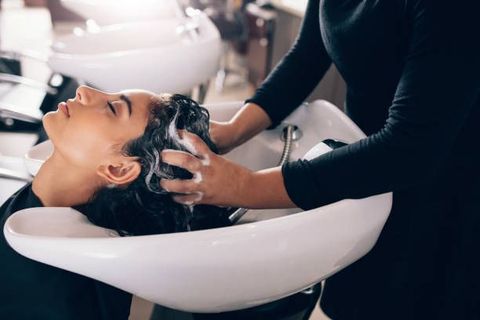
Explore Hair Spa: A Complete Guide to Treatments, Benefits, and Techniques
A hair spa is a hair care routine designed to improve the condition, manageability, and appearance of the hair while providing attention to the scalp. Depending on the method, it may include cleansing, conditioning, scalp massage, hair masks, and other treatments selected according to an individual's hair type and needs.
Hair can become dry, rough, tangled, or brittle because of frequent heat styling, chemical processing, environmental exposure, friction, and unsuitable hair care practices. The scalp can also experience oiliness, dryness, product buildup, or irritation. A suitable hair care routine can help address some of these concerns and maintain healthier-looking hair.
A hair spa is not a single standardized procedure. Its ingredients, techniques, duration, and intended results vary across products and providers. Some routines focus on moisture and softness, while others emphasize scalp cleansing or reducing friction during combing.
Understanding the differences between hair treatments helps people choose methods that match their hair condition without expecting every treatment to solve every problem.
Common Types of Hair Spa Treatments
Deep Conditioning Hair Treatment
Deep conditioning uses products containing conditioning agents, oils, humectants, or other ingredients intended to improve softness, smoothness, and manageability. These formulations coat or interact with the hair fiber to reduce friction and make detangling easier.
Deep conditioning may be particularly useful for hair that feels dry, rough, or difficult to comb. The appropriate product and application time depend on the formulation and the manufacturer's instructions.
Scalp Treatment Salon Techniques
Scalp-focused treatments address cleansing, product buildup, and selected scalp concerns. A routine may include gentle cleansing, careful exfoliation with an appropriate product, or a light massage.
A healthy scalp care routine should avoid aggressive scrubbing and ingredients that cause irritation. Persistent itching, redness, scaling, pain, or unusual hair loss may require assessment by a qualified healthcare professional rather than repeated cosmetic treatments.
Keratin Hair Treatment
Keratin hair treatments are designed to change hair manageability, reduce frizz, or create a smoother appearance. The exact result depends on the formulation and application process.
Some treatments involve heat and chemical ingredients. Certain smoothing products can release formaldehyde or related chemicals during heating, creating inhalation and exposure concerns. Product ingredients, ventilation, application instructions, and relevant safety guidance should therefore be considered before treatment.
Keratin treatments do not permanently restore every form of hair damage, and results vary with hair type, formulation, and maintenance practices.
Hair Damage Repair Treatment
Hair damage repair treatments aim to improve the feel and appearance of hair affected by bleaching, coloring, heat styling, or mechanical stress. Depending on the formulation, products may contain conditioning agents, proteins, oils, or ingredients designed to support the hair fiber.
Hair is made largely of keratin, a structural protein. Once a hair fiber has been significantly damaged, cosmetic products may improve its surface condition and reduce breakage during handling, but they cannot guarantee complete biological restoration of the damaged strand.
Luxury Hair Spa Treatment
A luxury hair spa treatment generally describes a more elaborate hair care routine that may combine cleansing, conditioning masks, scalp massage, and relaxing techniques. The term describes the treatment experience rather than a standardized scientific category.
The products and techniques used should still be appropriate for the person's scalp, hair texture, sensitivities, and previous chemical treatments.
Why Hair Spa and Scalp Care Matter
Hair care is relevant to people with different hair textures, lengths, and grooming routines. The purpose is not to achieve one particular appearance but to maintain comfort, manageability, and the condition of the hair fiber.
Common reasons people explore hair spa treatments include:
Dryness and rough hair texture.
Tangling and difficulty combing.
Frizz caused by humidity or hair structure.
Breakage associated with heat or chemical processing.
Product buildup on the scalp or hair.
A desire for a relaxing hair care routine.
Conditioning products can reduce friction between hair fibers, making hair easier to comb and potentially reducing mechanical breakage. Gentle scalp massage may feel relaxing, although it should not be presented as a guaranteed way to increase hair growth.
Hair care needs differ according to hair texture, scalp condition, climate, grooming practices, and chemical exposure. A person with fine hair may prefer a lightweight conditioner, while thick, curly, or highly textured hair may benefit from richer conditioning products.
The most appropriate routine is one that addresses the specific concern without causing irritation, excessive buildup, or unnecessary chemical exposure.
Recent Trends in Hair Spa and Hair Care
Hair care practices continue to evolve as consumers pay more attention to ingredient safety, scalp health, and techniques suited to different hair textures. Recent trends through 2025 and 2026 include greater interest in personalized conditioning, scalp-focused routines, and ingredient transparency.
Scalp-focused hair care: Hair care routines increasingly distinguish between cleansing the scalp and conditioning the hair lengths. Gentle cleansing and appropriate conditioning can help manage buildup, dryness, and tangling. However, persistent scalp symptoms may require medical assessment.
Ingredient awareness: Consumers are paying more attention to product labels, fragrance ingredients, preservatives, and chemical smoothing formulations. Understanding the ingredients and following the product directions are important parts of safe hair care.
Heat-conscious styling: Hair care guidance continues to emphasize limiting excessive heat, using appropriate heat settings, and handling wet hair gently to reduce damage. The American Academy of Dermatology provides practical recommendations for protecting fragile hair.
Personalized conditioning: Hair texture, chemical processing, porosity, and scalp condition influence which products are suitable. A routine that works for thick, curly hair may not be appropriate for fine or oily hair.
These are continuing trends rather than evidence that every new product or treatment is more effective than established hair care practices.
Laws, Product Safety, and Hair Treatment Guidelines in India
Hair spa products and cosmetic treatments in India are affected by regulations governing cosmetics, product quality, labeling, and consumer protection.
Cosmetics Rules, 2020
India's Cosmetics Rules, 2020, operate under the Drugs and Cosmetics Act, 1940. The framework covers requirements relating to cosmetics manufactured or imported into India, including applicable quality, safety, registration, and labeling provisions. The Central Drugs Standard Control Organization provides official regulatory information.
Cosmetic products should have appropriate ingredient information and directions for use. Product claims should not be false or misleading. Requirements can differ according to the product and its intended use.
Chemical smoothing and keratin treatments
Some hair-smoothing formulations may release formaldehyde when heated. Exposure can irritate the eyes, skin, nose, throat, and respiratory system. The US Food and Drug Administration provides guidance on identifying formaldehyde-related ingredients and understanding exposure risks.
Before undergoing a chemical smoothing treatment, it is sensible to:
Review the product's ingredient list and instructions.
Ask about relevant chemical ingredients and safety precautions.
Confirm that the treatment area has suitable ventilation.
Avoid products that cause burning, severe irritation, or breathing discomfort.
Follow applicable product warnings and professional guidance.
Rules differ between countries, and US guidance should not be interpreted as Indian law. For India-specific requirements, consult the current CDSCO publications and applicable state regulations.
Tools and Resources for Hair Care
Reliable educational resources can help people understand hair structure, compare treatment methods, and develop suitable routines.
American Academy of Dermatology: practical information about conditioning, gentle detangling, and heat protection.
Central Drugs Standard Control Organization:official cosmetic regulations and related documents.
US Food and Drug Administration: information about formaldehyde exposure and chemical smoothing products.
A simple hair care record can also help identify which practices work well. Record the shampoo, conditioner, mask, or treatment used, how frequently it is applied, and any changes in dryness, tangling, irritation, or breakage. Avoid changing several products simultaneously if you want to understand which change affected your hair.
Frequently Asked Questions
What are the main benefits of a hair spa?
A hair spa may improve softness, manageability, and detangling, depending on the products and techniques used. Scalp massage may also provide relaxation. Results vary, and cosmetic treatments do not guarantee hair growth or eliminate every form of damage.
How often should a deep conditioning hair treatment be used?
Frequency depends on hair texture, dryness, product formulation, and the manufacturer's instructions. Some people benefit from regular conditioning, while heavier masks may be needed less often. Adjust the routine if hair becomes weighed down or the scalp becomes irritated.
Is a keratin hair treatment suitable for every hair type?
No. Suitability depends on the hair's condition, the formulation, chemical history, and exposure risks. Some smoothing products involve heat and chemicals that can cause damage or irritation. Review the ingredients and safety instructions before proceeding.
Can a hair damage repair treatment restore split ends permanently?
No cosmetic treatment permanently reconnects a split hair strand. Conditioning products may temporarily smooth the surface and reduce friction, while trimming removes split ends. Gentle handling and reduced heat exposure can help prevent further damage.
What is the difference between a hair spa and a scalp treatment?
A hair spa commonly focuses on conditioning, softness, and manageability of the hair, sometimes including scalp massage. A scalp treatment focuses more directly on cleansing and scalp concerns. Neither replaces medical evaluation for persistent irritation or unusual hair loss.
Conclusion
Hair spa treatments combine conditioning, cleansing, scalp care, and selected styling techniques to support hair manageability and appearance. Deep conditioning, scalp-focused routines, keratin smoothing, and hair damage repair treatments serve different purposes, so understanding their limitations is essential.
Choosing suitable products, following instructions, limiting excessive heat, and paying attention to ingredient safety can help maintain the condition of the hair. A consistent routine tailored to individual needs is generally more useful than expecting one treatment to resolve every concern.
For persistent scalp irritation, significant hair breakage, or unexplained hair loss, a qualified dermatologist can help identify possible causes and appropriate next steps.

Related Post...
Learn about Data Analytics: A Complete Guide to Skills, Tools, and Techniques
Updated: October 28, 2026
Read More
Celebrity Nose Ring Trends: Discover Tips, Insights, and Popular Jewelry Designs
Updated: October 26, 2026
Read More
Explore Nail Art: A Complete Guide to Designs, Styles, and Creative Techniques
Updated: October 26, 2026
Read More