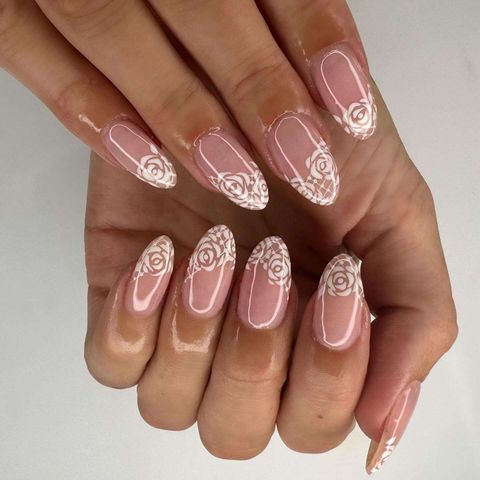
Explore Nail Art: A Complete Guide to Designs, Styles, and Creative Techniques
Nail art is the practice of decorating fingernails and toenails using colors, patterns, textures, and decorative materials. It combines personal style with techniques drawn from beauty, illustration, fashion, and design. Nail art can be simple, such as applying two complementary colors, or detailed, such as creating miniature flowers, geometric patterns, or layered designs.
People explore nail art for different reasons. Some prefer understated designs for everyday activities, while others choose detailed patterns for celebrations, seasonal events, cultural occasions, or weddings. Nail art also provides a way to experiment with color combinations and creative expression without changing other aspects of personal appearance.
Modern nail art includes several approaches:
Traditional polish designs: Created with regular nail polish and simple decorative tools.
Gel nail designs: Made using gel products that generally require curing under a compatible lamp.
Acrylic nail designs: Created on natural nails or extensions using acrylic enhancement systems.
Hand-painted nail art: Uses fine brushes, dots, lines, and miniature illustrations.
Textured and decorative designs: Incorporate glitter, metallic effects, stickers, or carefully placed embellishments.
Understanding these options helps beginners choose techniques that match their experience, preferred appearance, and nail-care needs.
Why Nail Art Matters in Modern Beauty and Personal Style
Nail art has become a recognizable part of contemporary beauty culture because it offers many ways to adapt colors, patterns, and finishes to individual preferences. Social media, fashion photography, beauty education, and seasonal trends have increased the visibility of different nail art styles.
Personal expression and creative design
Creative nail design ideas allow people to explore themes such as nature, abstract art, minimalism, and geometric shapes. A neutral base with fine lines creates a different effect from bright contrasting colors or intricate floral patterns.
Nail designs can also reflect personal interests, cultural traditions, or event themes. The same basic technique can produce very different results through changes in color, placement, scale, and texture.
Professional nail art techniques
Professional nail art techniques focus on preparation, precision, consistency, product knowledge, and safe application. Important skills include shaping the nail, applying an even base, controlling brush pressure, creating symmetrical patterns, and sealing compatible designs with a top coat.
Developing these skills can help reduce common problems such as uneven polish, smudged patterns, excessive product buildup, and premature lifting. Careful preparation is particularly important when working with gel products or acrylic enhancements.
Choosing designs for different occasions
Different designs suit different preferences and settings.
Everyday styles often use neutral colors, minimalist patterns, or short, practical nail shapes.
Festive designs may include metallic accents, glitter, bright colors, or decorative motifs.
Formal occasions may feature clean lines, subtle shimmer, or coordinated color palettes.
Weddings may include soft pinks, ivory tones, delicate floral details, and carefully placed embellishments.
There is no single design that suits everyone. Nail length, natural nail condition, daily activities, and personal comfort all influence which approach is appropriate.
Exploring Modern Nail Art Designs and Techniques
Modern nail art combines traditional manicure methods with newer finishes, decorative materials, and creative application techniques.
Minimalist and geometric nail designs
Minimalist nail art uses a limited number of colors and simple visual elements. Examples include thin lines, small dots, negative-space patterns, and single accent nails.
Geometric designs use shapes such as triangles, curves, grids, and contrasting blocks of color. Striping tape and fine brushes can help create clean edges. Beginners can start with simple patterns before attempting detailed symmetry across multiple nails.
Floral, abstract, and ombre designs
Floral nail art ranges from small dots arranged like flowers to detailed hand-painted petals and leaves. Abstract nail art uses irregular shapes, flowing lines, and unexpected color combinations.
Ombre nail art blends two or more colors gradually. A makeup sponge or a suitable nail art brush can help create a smooth transition, although the best method depends on the polish or enhancement system being used.
Chrome, metallic, and textured finishes
Chrome-inspired nail art creates a reflective metallic appearance, while glitter and shimmer provide different levels of sparkle. Textured designs may use special-effect products or decorative elements to create visual depth.
The materials and application steps vary. Some effects require specific base colors, compatible top coats, or curing equipment, so product instructions should be followed carefully.
A comparison of common nail art techniques
| Technique | Typical appearance | Common materials |
|---|---|---|
| Minimalist art | Simple lines and dots | Polish, fine brush |
| Ombre | Gradual color transition | Two or more colors, sponge or brush |
| French tips | Contrasting nail edges | Base color, tip color, detail brush |
| Gel nail art | Glossy or varied decorative finishes | Compatible gel products, curing lamp |
| Acrylic nail art | Sculpted shapes and decorated extensions | Acrylic system, brushes, compatible colors |
| Chrome effects | Reflective metallic finish | Specialized chrome products and compatible coatings |
The table describes general approaches. Exact preparation and application requirements depend on the products and techniques selected.
Gel Nail Design Ideas, Acrylic Nail Art, and French Tips
Gel nail design ideas
Gel nail art uses gel-based products that are cured under a compatible UV or LED lamp. These products can create glossy finishes, layered colors, and detailed decorative effects.
Common gel nail ideas include:
Sheer pink nails with pearl-like finishes.
Cat-eye designs with reflective magnetic pigments.
Ombre gradients in complementary shades.
Floral patterns over a translucent base.
Chrome accents paired with minimalist lines.
Gel products must be applied and cured according to their instructions. Uncured gel contacting the skin can contribute to allergic reactions, so careful application and appropriate curing are important.
Acrylic nail design ideas
Acrylic enhancements use a liquid-and-powder system to create a hardened layer over the natural nail or a nail extension. They can provide a foundation for longer shapes and detailed decorations.
Popular acrylic nail design ideas include sculpted almond shapes, colorful tips, marble patterns, glitter accents, and three-dimensional decorative elements. Acrylic enhancements require suitable preparation, controlled application, and careful removal to reduce damage to the natural nail.
French tip nail designs
French tip nail art traditionally features a pale or natural-looking base with a contrasting tip. Modern interpretations include:
Micro-French tips with very thin edges.
Colored French tips in blue, red, green, or pastel shades.
Metallic or chrome French tips.
Double-line and diagonal French designs.
Cat-eye French tips with reflective effects.
These designs demonstrate how a familiar manicure can be adapted through changes in color, line thickness, and finish.
Bridal nail art designs
Bridal nail art often coordinates with wedding clothing, jewelry, floral arrangements, and personal preferences. Popular approaches include nude bases, pearl accents, delicate lace patterns, soft ombre effects, and subtle metallic details.
For Indian weddings, designs may incorporate colors inspired by traditional attire, gold-toned accents, floral motifs, or decorative patterns. The final choice depends on the event, outfit, nail length, and desired level of detail.
A practical approach is to select reference images, test the color combination in advance, and consider whether embellishments will remain comfortable during everyday activities.
Recent Nail Art Trends and Developments
Nail art trends change through fashion collections, social media, seasonal color palettes, and experimentation by nail artists.
On 19 February 2026, Allure reported spring nail art trends featuring gem accents, textured finishes, magnetic cat-eye effects, stripes, and more delicate animal-print patterns. The coverage highlighted the use of small details and dimensional textures alongside expressive colors.
On 29 May 2026, Vogue India highlighted summer nail designs featuring Mediterranean-inspired blue shades, translucent jelly finishes, metallic accents, and updated French tips.
On 6 October 2026, Pinterest's Beauty Trend Report described growing interest in reflective nail finishes, including chrome, cat-eye, jelly, and aurora effects combined with stripes and polka dots. Its reported search increases indicate interest on that platform, not universal demand across all consumers.
These developments suggest several creative directions:
Reflective finishes: Chrome and magnetic effects create changes in appearance under different lighting.
Textured nail art: Raised lines, translucent details, and small embellishments add dimension.
Updated French tips: Traditional shapes are being combined with metallic finishes and magnetic effects.
Personalized designs: Color placement and small details allow familiar techniques to feel distinctive.
Trends are useful sources of inspiration, but personal comfort, nail condition, and individual taste remain important when choosing a design.
Nail Art Regulations, Product Safety, and Hygiene in India
Nail polish, gel products, acrylic systems, and other cosmetic preparations are subject to applicable cosmetic regulations in India.
The Drugs and Cosmetics Act, 1940, and the Cosmetics Rules, 2020, establish regulatory requirements for cosmetics, including applicable provisions on manufacture, imports, standards, and labeling. The Central Drugs Standard Control Organization (CDSCO) provides official information on these rules.
Important considerations include:
Check product labels, ingredient information, directions, and applicable warnings.
Use products according to their intended purpose and manufacturer instructions.
Avoid applying products to irritated, injured, or infected skin or nails.
Maintain clean tools and follow appropriate hygiene practices.
Use suitable ventilation when working with products that release strong fumes.
Avoid skin contact with uncured gel products.
Follow the recommended curing process for compatible products and lamps.
Individuals who develop itching, redness, swelling, or other unusual reactions should stop using the suspected product and seek appropriate medical advice. Nail enhancements should not be forcibly peeled or removed in ways that damage the natural nail.
Regulatory requirements may vary according to the product and activity. Current official guidance should be checked when specific compliance questions arise.
Helpful Nail Art Tools and Learning Resources
The right tools can improve precision and make different techniques easier to practice.
Common nail art tools
Fine liner brushes for thin lines and intricate details.
Dotting tools for flowers, circles, and repeating patterns.
Nail files and buffers for appropriate shaping and surface preparation.
Striping tape for geometric designs and French tips.
Sponges for certain ombre techniques.
Nail art palettes for planning color combinations.
Compatible curing lamps for gel systems that require light curing.
Reference boards or sketch templates for organizing design ideas.
Online learning resources
Pinterest: Explore visual references for bridal nail art, French tips, and seasonal designs.
YouTube: Find demonstrations of brush control, ombre application, and nail preparation.
Allure: Read beauty coverage discussing nail art techniques and trends.
Vogue India: Explore nail designs and beauty inspiration relevant to Indian fashion.
CDSCO: Review official cosmetic regulatory information in India.
When learning from online demonstrations, check the creator's experience, product instructions, and safety guidance. A visually appealing result does not necessarily demonstrate correct application or removal.
Frequently Asked Questions
What is nail art?
Nail art is the decoration of fingernails or toenails using polish, patterns, textures, pigments, and other compatible materials. Designs range from simple color combinations to detailed illustrations and sculpted effects.
Which nail art techniques are suitable for beginners?
Simple dots, thin lines, single-color accents, basic French tips, and uncomplicated floral patterns are useful starting points. Practicing on a nail art practice sheet can help develop control before working on natural nails.
What is the difference between gel and acrylic nail designs?
Gel systems use gel-based products, with many requiring light curing. Acrylic systems generally combine a liquid monomer and polymer powder to form a hardened enhancement. Their application, curing or hardening processes, maintenance, and removal methods differ.
How can nail art be maintained safely?
Avoid picking or peeling products, follow appropriate maintenance guidance, keep tools clean, and do not apply enhancements over damaged or infected nails. Allowing the natural nails to recover when irritation or damage occurs can also be helpful.
Which nail art designs are commonly chosen for weddings?
French tips, soft ombre, pearl accents, delicate florals, and understated metallic details are common choices. The design should complement the wedding attire and remain comfortable for the wearer.
Conclusion
Nail art combines creativity, personal expression, and practical application techniques. Understanding professional nail art techniques, creative nail design ideas, modern nail art designs, gel and acrylic systems, French tips, and bridal styles makes it easier to explore different approaches.
Recent trends show continued experimentation with reflective finishes, magnetic effects, textured details, and updated classic designs. However, selecting suitable products, following hygiene practices, and respecting the natural condition of the nails are just as important as appearance.
By learning basic techniques, exploring reliable educational resources, and practicing gradually, beginners and experienced enthusiasts alike can develop their understanding of nail art and create designs that reflect their individual preferences.

Related Post...

Explore Carton Sealing Machines: A Complete Guide to Types, Features, and Applications
Updated: October 23, 2026
Read More
Learn E-Waste Recycling Plant Basics: A Beginner’s Guide to Methods, Equipment, and Resources
Updated: October 23, 2026
Read More
A Beginner’s Guide to Electric Car Technology: Important Information, Basics, and Useful Insights
Updated: October 26, 2026
Read More