Explore Carton Sealing Machines: A Complete Guide to Types, Features, and Applications
A carton sealing machine is packaging equipment designed to close and seal cardboard boxes using adhesive tape, hot-melt adhesive, or another suitable sealing method. These machines are commonly used in warehouses, manufacturing facilities, distribution centers, food packaging operations, and e-commerce fulfillment environments.
Carton sealing is an important step between packing products into boxes and preparing those boxes for storage, handling, or transportation. A properly sealed carton helps keep its contents enclosed and reduces the likelihood of the box opening during routine handling. However, the quality of the seal also depends on carton condition, tape selection, box weight, and handling conditions.
A carton sealing machine can operate manually, semi-automatically, or automatically. The appropriate configuration depends on packaging volume, carton dimensions, production requirements, available floor space, and the level of automation in the facility.
How a Carton Sealing Machine Works
Although designs differ, most carton sealing machines follow a similar process:
Carton positioning: The box is placed on a conveyor or positioned within the machine.
Flap closure: The upper flaps are folded into the required arrangement.
Sealing application: Tape or another approved sealing material is applied to the carton seam.
Pressure application: Rollers or other mechanisms press the sealing material against the cardboard.
Discharge: The sealed carton moves to the next packaging or handling stage.
Some machines seal only the top of a carton, while others seal both the top and bottom. Automatic systems may also adjust to different box heights and widths, depending on their design.
The term automatic case sealer machine is often used for equipment that closes and seals cartons with limited operator intervention. A carton taping machine is a related term commonly used for equipment that applies adhesive tape to box seams.
Types of Carton Sealing Machines
Different packaging operations require different sealing configurations. Understanding the main types helps explain how packaging equipment fits into production and distribution workflows.
Manual carton sealing equipment
Manual equipment requires an operator to position the box and apply tape using a handheld dispenser or a simple sealing device.
Typical characteristics include:
Straightforward operation.
Limited equipment requirements.
Flexibility for occasional packaging.
Greater dependence on operator technique.
Suitability for low-volume or irregular carton handling.
Manual methods can be appropriate when carton sizes vary considerably or packaging volumes are modest.
Semi-automatic carton sealing machine
A semi-automatic carton sealing machine typically requires an operator to position the carton and may require manual flap folding. The machine then applies tape to the designated seams.
Common features include adjustable guides, powered conveyors, tape heads, and controls for starting or stopping the sealing cycle.
This type of machine is often used in small and medium-sized packaging operations where repeatability is important but complete automation is unnecessary.
Automatic carton sealing machine
An automatic carton sealing machine can close and seal cartons with reduced manual intervention. Depending on the configuration, it may automatically fold flaps, detect cartons, adjust sealing heads, and convey boxes through the machine.
Key features may include:
Automatic carton detection.
Powered conveying systems.
Adjustable or self-adjusting sealing heads.
Integration with upstream packing equipment.
Controls for operating speed and machine status.
Automatic systems are particularly relevant to operations that process consistent carton formats or high volumes of packages.
Industrial carton sealing machine
An industrial carton sealing machine is designed for repeated operation in demanding packaging environments. It may feature a reinforced frame, durable conveyor components, replaceable sealing heads, and controls suited to production-line operation.
Industrial models vary significantly. Some handle standard corrugated boxes, while others are configured for heavy cartons, multiple carton sizes, or integration with larger automated packaging lines.
Specialized carton sealing systems
Certain applications require additional sealing arrangements.
Random-size case sealers: Accommodate different carton dimensions within a specified operating range.
Uniform-size case sealers: Handle cartons with consistent dimensions and settings.
Top-and-bottom sealers: Apply tape to both primary carton seams.
Hot-melt adhesive systems: Use heated adhesive to close compatible cartons.
Integrated packaging-line sealers: Connect with carton erectors, filling equipment, labeling systems, or palletizing equipment.
The right configuration depends on carton construction, packaging materials, operating conditions, and the required seal quality.
Important Features and Technical Specifications
When evaluating a carton box sealing machine, technical specifications provide a clearer basis for comparison than the machine's name alone.
| Feature | What to examine |
|---|---|
| Carton dimensions | Minimum and maximum box length, width, and height |
| Conveyor system | Roller or belt design and carton stability |
| Sealing method | Tape type, adhesive compatibility, or hot-melt application |
| Operating speed | Cartons processed per minute under stated conditions |
| Adjustment mechanism | Manual adjustment or automatic size adaptation |
| Controls | Sensors, control panel, fault indicators, and emergency stops |
| Construction | Frame strength, accessibility, and replaceable components |
| Integration | Compatibility with conveyors and other packaging equipment |
Actual throughput depends on carton dimensions, loading consistency, operator involvement, machine settings, and downstream equipment. Published maximum speeds should not be treated as guaranteed production rates for every application.
Tape width, adhesive properties, storage conditions, and cardboard surface quality also influence sealing performance. A machine cannot compensate for every problem caused by damaged cartons or unsuitable packaging materials.
Applications Across Different Industries
Carton sealing machines are used wherever products are packed in cardboard boxes for storage, distribution, or transportation. Their configuration varies according to packaging materials, carton dimensions, operating conditions, and handling requirements.
| Industry | Typical application |
|---|---|
| Food and beverages | Sealing cartons containing packaged foods, bottles, and dry goods |
| Pharmaceuticals | Closing secondary packaging cartons under applicable quality procedures |
| E-commerce | Preparing parcels for warehouse dispatch and delivery |
| Electronics | Sealing boxes containing electronic products and accessories |
| Consumer goods | Packaging household products and personal care items |
| Industrial manufacturing | Closing cartons containing components, tools, and manufactured parts |
In food and pharmaceutical environments, carton sealing is generally part of secondary packaging. The machine must be appropriate for the surrounding hygiene requirements and should not be assumed to provide a sterile or tamper-evident seal unless specifically designed and validated for that purpose.
Recent Updates and Packaging Automation Trends
Packaging automation continues to develop as manufacturers seek greater flexibility, consistent operation, and better integration between packaging stages.
A September 2026 industry report from PMMI, the Association for Packaging and Processing Technologies, identified flexibility, automation, and changing product formats as important themes in packaging machinery. The report highlighted increasing interest in integrated end-of-line systems that combine case erecting, packing, sealing, and palletizing. These findings describe broader packaging industry trends rather than carton sealers alone.
Important developments include:
Flexible automation: Equipment increasingly accommodates multiple carton formats and product configurations.
Integrated production lines: Case sealers connect with conveyors, inspection systems, labeling equipment, and palletizers.
Machine monitoring: Sensors and control systems help operators identify interruptions and monitor operating conditions.
Maintenance planning: Scheduled inspection and replacement of wear components can help reduce unexpected downtime.
Packaging material considerations: Manufacturers are evaluating carton and tape combinations that balance seal performance with material efficiency.
These developments do not mean every facility needs a fully automated system. The appropriate level of automation depends on actual packaging volume, carton variation, production requirements, and operator capabilities.
Laws, Safety Standards, and Policies in India
Carton sealing machines used in India must be considered within the applicable workplace safety, electrical safety, and machinery compliance framework. Requirements can vary according to the machine's classification, installation, and intended use.
Occupational safety requirements
India's Occupational Safety, Health and Working Conditions Code, 2020, came into force on 21 November 2025, according to the Ministry of Labour and Employment's published information. Applicable duties and rules should be checked against current official notifications and the establishment's circumstances.
For carton sealing equipment, important safety practices include:
Guarding accessible moving parts and conveyor pinch points.
Providing accessible emergency-stop controls where required.
Training operators in safe operation and approved procedures.
Isolating electrical and pneumatic energy before maintenance.
Keeping safety guards in position during normal operation.
Following the manufacturer's operating and maintenance instructions.
Machinery safety and BIS requirements
India's Ministry of Heavy Industries has published notifications concerning the Machinery and Electrical Equipment Safety (Omnibus Technical Regulation) Order. The regulatory position has changed through amendments and a withdrawal notification dated 16 January 2026. Therefore, the applicability of compulsory certification should be checked against the latest official order and the specific machine category rather than assumed for every carton sealing machine.
Manufacturers, importers, and facility operators should verify applicable Indian Standards, electrical requirements, documentation, and certification obligations before introducing equipment into operation.
Tools and Resources for Evaluation and Maintenance
Several practical resources can help packaging teams evaluate equipment and maintain consistent sealing performance.
Useful resources
Bureau of Indian Standards:Information about Indian Standards and applicable certification frameworks.
Ministry of Heavy Industries: Official machinery safety notifications and regulatory updates.
India Code: Access to central legislation and related legal information.
Manufacturer documentation: Technical manuals, carton-size limits, tape specifications, maintenance schedules, and troubleshooting instructions.
Packaging line assessment sheets: Records of carton dimensions, throughput, seal defects, interruptions, and inspection results.
A basic maintenance checklist can include inspecting tape heads, cleaning rollers, checking conveyor alignment, examining guards, testing safety controls, and recording recurring faults. Maintenance should follow the machine manual and be carried out by trained personnel.
Frequently Asked Questions
What is a carton sealing machine used for?
It closes and seals cardboard cartons using tape, adhesive, or another compatible sealing method before the cartons move to storage, distribution, or transportation.
What is the difference between a semi-automatic and an automatic carton sealing machine?
A semi-automatic machine generally requires an operator to position the carton and may require manual flap folding. An automatic machine performs more of these steps with limited operator intervention.
How should a carton sealing machine be selected?
Consider carton dimensions, packaging volume, required operating speed, sealing materials, adjustment options, available space, safety features, and compatibility with other packaging equipment.
Which industries use industrial carton sealing machines?
Common applications include food and beverage packaging, e-commerce fulfillment, electronics, pharmaceuticals, consumer goods, and industrial manufacturing.
How can consistent carton sealing be maintained?
Use compatible tape and cartons, maintain correct machine settings, inspect sealing heads and rollers, follow preventive maintenance schedules, and train operators to recognize seal defects.
Conclusion
Carton sealing machines are an important part of modern packaging operations. From manual equipment to an automatic carton sealing machine integrated into a production line, each configuration serves different packaging requirements.
Understanding machine types, technical specifications, industrial applications, and workplace safety considerations helps organizations evaluate suitable packaging systems. Recent automation trends also highlight the value of flexibility, monitoring, and integration, although the best configuration depends on the actual operating environment.
Reliable carton sealing ultimately requires appropriate equipment, compatible packaging materials, regular maintenance, trained operators, and compliance with applicable regulations.

Related Post...


Learn E-Waste Recycling Plant Basics: A Beginner’s Guide to Methods, Equipment, and Resources
Updated: October 23, 2026
Read More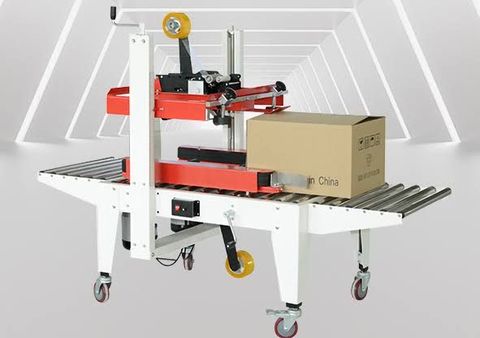
Explore Carton Sealing Machines: A Complete Guide to Types, Features, and Applications
Updated: October 23, 2026
Read More