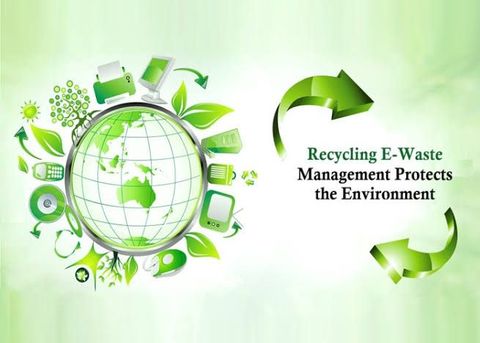
Learn E-Waste Recycling Plant Basics: A Beginner’s Guide to Methods, Equipment, and Resources
An electronic waste recycling plant is a facility designed to collect, inspect, sort, dismantle, and process discarded electrical and electronic equipment. Common examples of electronic waste, often called e-waste, include computers, mobile phones, televisions, printers, circuit boards, cables, and household appliances.
These products contain a mixture of materials, including metals, plastics, glass, and electronic components. Some contain valuable materials such as copper, aluminium, and precious metals, while others may contain hazardous substances that require careful handling.
An e-waste recycling plant helps separate reusable components and recover suitable materials while reducing the amount of electronic waste sent to landfills or handled through unsafe methods.
Why does e-waste recycling exist?
Electronic devices are replaced regularly as technology changes, equipment becomes damaged, or users upgrade to newer models. Without appropriate collection and processing, discarded electronics can accumulate in homes, businesses, storage facilities, and waste disposal sites.
Informal dismantling, open burning, and uncontrolled treatment can release harmful substances into the environment. Organized recycling provides a more controlled approach to handling discarded electronics and recovering materials.
How an E-Waste Recycling Plant Works
An e-waste processing plant generally follows several stages. The exact process depends on the types of electronic waste accepted, the machinery installed, the facility's capacity, and the materials it intends to recover.
Collection and initial inspection
Electronic waste arrives from authorized collection channels, businesses, institutions, or other permitted sources. Staff inspect incoming materials to identify equipment types, visible damage, and potential safety concerns.
Data-bearing devices may require secure data handling before dismantling or reuse. Equipment containing batteries, damaged power components, or other hazardous parts requires special attention.
Sorting and segregation
Electronic waste is separated into categories according to its material composition and processing requirements. Computers, cables, circuit boards, appliances, displays, and battery-containing devices may need different treatment methods.
Accurate segregation improves process efficiency and helps prevent incompatible materials from entering the same processing line.
Dismantling and component removal
Technicians remove accessible components such as cables, circuit boards, metal housings, motors, and batteries using appropriate tools and procedures. Some components may be suitable for reuse, while others require further processing.
Battery removal is particularly important because damaged or improperly handled lithium-ion batteries can cause fires.
Mechanical processing and material recovery
After suitable dismantling, selected materials may undergo size reduction, screening, magnetic separation, eddy-current separation, or other sorting processes. More advanced facilities may use optical sensors or specialized metallurgical processes to separate particular materials.
Final sorting and responsible handling
Recovered metals, plastics, and other fractions are evaluated for quality and directed to appropriate downstream processors. Residual materials that cannot be recovered safely must be managed according to applicable environmental requirements.
The purpose of the complete process is to maximize responsible material recovery while controlling occupational and environmental risks.
E-Waste Recycling Plant Equipment and Machinery
Choosing appropriate E-Waste Recycling Plant Equipment depends on the incoming waste stream, intended recovery processes, required processing capacity, and applicable environmental standards. A plant handling computers and cables may need a different equipment configuration from one processing large household appliances.
Equipment | Primary function |
|---|---|
Sorting tables and inspection stations | Identify device categories and separate unsuitable items. |
Manual dismantling tools | Remove components, cables, and housings safely. |
Industrial shredders | Reduce the size of suitable materials for further separation. |
Magnetic separators | Separate ferrous metals, such as iron and steel. |
Eddy-current separators | Recover suitable non-ferrous metals from mixed material streams. |
Screening equipment | Separate material fractions according to particle size. |
Dust extraction and filtration systems | Control airborne dust generated during processing. |
Weighing and tracking systems | Record incoming waste and recovered material quantities. |
Not every facility needs every machine. Some plants specialize in collection, dismantling, and sorting, while others use advanced mechanical or metallurgical processing to recover additional materials.
Electronic Waste Recycling Equipment must be selected with safety and maintenance in mind. Shredders and conveyors need suitable guarding, electrical protection, and emergency stops. Dust collection systems should be designed for the materials being processed, and battery-containing devices should not enter equipment that could crush or puncture them before safe battery removal.
Planning an E-Waste Recycling Plant Setup
An E-Waste Recycling Plant Setup requires more than purchasing machinery. Facility planning should account for the type and volume of electronic waste, material storage, worker safety, pollution control, and regulatory obligations.
Key planning considerations include:
Waste assessment: Identify the expected quantities and categories of incoming electronics.
Site selection: Evaluate access, permitted land use, transport routes, drainage, and proximity to sensitive areas.
Process design: Arrange receiving, inspection, dismantling, material separation, and storage areas to minimize unnecessary movement.
Equipment selection: Match machinery capacity to the intended throughput and the characteristics of the waste stream.
Safety planning: Establish procedures for battery handling, fire prevention, electrical hazards, dust exposure, and emergency response.
Environmental controls: Plan for ventilation, dust collection, wastewater management where relevant, and appropriate storage of hazardous fractions.
Recordkeeping: Maintain traceable records of incoming waste, processing quantities, recovered fractions, and residual materials.
Regulatory review: Confirm registration, consent, authorization, and reporting requirements with the relevant authorities before beginning operations.
A basic material-flow assessment can help explain how a facility works.
Recovered materials
Sent to suitable downstream processors
Residual fractions
Managed through authorized channels
Illustrative process flow. Actual operations depend on the equipment, waste categories, and facility permissions.
Industrial Recycling Equipment and E-Waste Recycling Technology
Modern Industrial Recycling Equipment can combine mechanical processing, sensors, and digital monitoring to improve material separation and traceability.
Common technologies include:
Magnetic separation: Uses magnetic fields to separate ferrous metals from other materials.
Eddy-current separation: Uses electromagnetic effects to separate suitable non-ferrous metals.
Optical sorting: Uses sensors to identify and separate selected materials according to their properties.
Advanced metal recovery: Specialized downstream facilities may use controlled chemical or metallurgical processes to recover metals from circuit boards and other concentrated fractions.
Digital process monitoring: Sensors and recordkeeping systems help track throughput, equipment performance, and material movements.
E-Waste Processing Plant Machinery should be selected according to the composition of incoming materials rather than based on automation alone. Electronic waste contains many different materials, and no single machine can efficiently recover everything.
For example, a cable-processing line may focus on separating copper from insulation, whereas a circuit-board recovery operation may require specialized processing and environmental controls.
Electronic Waste Management Solutions also include secure data destruction, equipment refurbishment, collection logistics, inventory tracking, worker training, and responsible management of materials that cannot be recovered in-house.
The most suitable system is one that combines appropriate technology with safe procedures, trained personnel, traceable records, and verified downstream destinations.
Recent Developments in E-Waste Recycling
Electronic waste management is receiving increased attention as governments work to improve collection, recycling, resource recovery, and environmental accountability.
India's e-waste management framework
The E-Waste (Management) Rules, 2022 came into force on 1 April 2023. The framework introduced an extended producer responsibility system supported by registration, recycling obligations, and an online portal. Amendments issued in 2023 and 2024 further developed the regulatory framework.
Developments during 2025
On 24 July 2025, India's Ministry of Environment, Forest and Climate Change published parliamentary information about e-waste processing and registered recyclers. The report illustrated the expansion of the registered recycling network across multiple states, including Maharashtra, Uttar Pradesh, Karnataka, and Haryana.
In August 2025, the Central Pollution Control Board published environmental compensation guidelines under the E-Waste (Management) Rules, 2022 and subsequent amendments. These guidelines address the framework for environmental compensation when relevant regulatory requirements are violated.
Developments during 2026
On 23 March 2026, the Ministry of Environment, Forest and Climate Change discussed India's circular economy framework in a parliamentary response, including the role of e-waste management and extended producer responsibility.
In August 2026, the Government of India issued directions concerning Special Campaign 6.0 for effective e-waste collection, segregation, and disposal. The initiative emphasizes the importance of organized collection and responsible handling of electronic waste.
These developments highlight the importance of registered recycling channels, accurate reporting, and environmentally responsible processing. Readers should consult official notices for the latest deadlines and applicable requirements.
E-Waste Recycling Laws and Policies in India
India regulates electronic waste through national legislation and implementation systems involving the Ministry of Environment, Forest and Climate Change (MoEFCC) and the Central Pollution Control Board (CPCB).
E-Waste (Management) Rules, 2022
These rules establish responsibilities for relevant manufacturers, producers, refurbishers, and recyclers handling covered electrical and electronic equipment. Their provisions include registration, extended producer responsibility, recycling obligations, and environmentally sound management of electronic waste.
Extended Producer Responsibility (EPR)
EPR places defined responsibilities on producers for managing the end-of-life impact of covered products. Under India's framework, the CPCB's online portal supports registration and administration of relevant EPR obligations and certificates.
Recycler registration and recordkeeping
Recyclers covered by the rules must follow applicable registration and operational requirements. They must maintain records of material flows and ensure that unrecycled fractions are sent to appropriate registered recyclers or authorized facilities, as applicable.
Environmental and workplace safeguards
A recycling facility may need to meet requirements concerning pollution control, site permissions, fire safety, hazardous materials, worker protection, and the handling of residual waste. Exact obligations depend on the facility's activities and location.
Before planning an E-Waste Recycling Plant Setup, consult the current rules, CPCB guidance, and the relevant State Pollution Control Board or Pollution Control Committee. Registration or other permissions should not be assumed to be automatic.
Tools and Resources for E-Waste Recycling
Reliable official resources help beginners understand technical processes and regulatory responsibilities.
CPCB E-Waste Management Portal: provides access to the e-waste regulatory framework, registration information, standard operating procedures, and reporting guidance.
MoEFCC rules and regulations: lists official environmental rules and notifications, including e-waste regulations.
CPCB recycler registration guidance: Recycler registration standard operating procedure explains the registration framework and associated requirements.
NITI Aayog: provides policy research, including analysis of circular economy approaches to electronic waste and lithium-ion batteries.
State pollution control boards: State authorities publish relevant application procedures, regulatory notices, and information about authorized facilities.
Useful planning documents include a waste-category inventory, equipment checklist, process-flow diagram, workplace safety checklist, material-tracking register, and environmental compliance calendar. These records help organize plant operations and identify gaps before processing begins.
Frequently Asked Questions
What is an e-waste recycling plant?
An e-waste recycling plant is a facility that processes discarded electronic equipment to recover reusable components and materials while managing hazardous substances and residual waste responsibly.
Which equipment is commonly used in e-waste recycling?
Common equipment includes sorting tables, dismantling tools, shredders, magnetic separators, eddy-current separators, screening systems, dust extraction equipment, and material-handling systems. The required equipment depends on the waste stream and processing method.
What should beginners consider before planning an e-waste recycling plant?
Beginners should assess incoming waste categories, processing capacity, site suitability, equipment requirements, worker safety, environmental controls, downstream material destinations, and applicable registration and permission requirements.
Which rules govern e-waste recycling in India?
The principal framework is the E-Waste (Management) Rules, 2022, together with subsequent amendments. Relevant requirements include registration, extended producer responsibility, and environmentally sound handling of covered electronic waste.
How does e-waste recycling technology help protect the environment?
Appropriate recycling technology can recover useful materials, reduce uncontrolled disposal, and improve material traceability. Its environmental benefits depend on safe operations, effective pollution controls, and responsible management of unrecovered materials.
Conclusion
E-waste recycling plants play an important role in managing discarded electronics and recovering useful materials. Understanding E-Waste Recycling Plant Equipment, E-Waste Processing Plant Machinery, and modern E-Waste Recycling Technology helps beginners understand how collection, dismantling, sorting, and material recovery work together.
Successful facility planning requires more than selecting machinery. It also involves worker safety, battery handling, environmental protection, accurate records, suitable downstream processing, and compliance with applicable Indian regulations.
As electronic waste management and circular economy initiatives continue to develop, reliable information and responsible processing practices remain essential. Learning the fundamentals provides a foundation for understanding how electronic waste can be managed more safely and how recovered materials can contribute to more efficient resource use.

Related Post...

Explore Career Strategy Development: A Complete Guide to Planning, Growth, and Professional Success
Updated: October 22, 2026
Read More
Learn About Fire & Safety System Evaluation: Key Facts, Knowledge, and Practical Advice
Updated: October 22, 2026
Read More