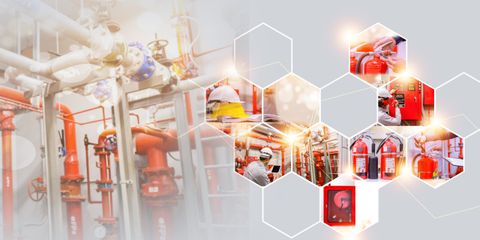
Learn About Fire & Safety System Evaluation: Key Facts, Knowledge, and Practical Advice
Fire and safety system evaluation is the process of examining a building's fire prevention, detection, suppression, and emergency response arrangements to determine whether they are appropriate for the building's risks and applicable safety requirements.
These evaluations are important in residential buildings, offices, hospitals, educational institutions, factories, warehouses, shopping centres, hotels, and other public or commercial facilities. Each building has different fire hazards depending on its layout, occupancy, equipment, stored materials, and daily activities.
A comprehensive evaluation may include fire alarms, smoke detectors, sprinkler systems, portable extinguishers, hydrants, emergency lighting, exit routes, fire doors, and evacuation procedures. The purpose is to identify deficiencies, support reliable equipment operation, and improve preparedness for emergencies.
Fire protection system evaluation involves more than checking whether equipment is physically present. It also considers whether systems are suitable for the building, accessible when needed, properly maintained, and coordinated with emergency procedures.
Key Components of a Fire Protection System
Different components perform different roles in preventing, detecting, and controlling fires.
Fire detection systems: Smoke detectors, heat detectors, and other devices identify signs of a potential fire and activate appropriate warnings.
Fire alarm systems: Audible and visual alarms notify occupants and can communicate signals to monitoring or control equipment.
Fire sprinkler systems: Automatic sprinkler heads respond to heat and release water in the affected area, helping control or suppress many types of fires.
Fire hydrants and hose reels: These provide water access for firefighting, subject to the system design and intended users.
Portable fire extinguishers: Extinguishers are selected according to the types of fire hazards present.
Emergency lighting and exit signs: These help occupants identify evacuation routes when normal lighting or power is interrupted.
Fire doors and compartmentation: Properly installed and maintained fire-resisting barriers can slow the spread of fire and smoke.
The effectiveness of these components depends on suitable design, installation, inspection, maintenance, and staff awareness.
What Does a Fire Safety Evaluation Involve?
A fire safety evaluation typically begins with a review of the building's use, occupancy, fire hazards, existing protection systems, and relevant documentation.
The assessment may cover:
Equipment condition and accessibility.
Fire alarm activation and notification arrangements.
Water supplies, pumps, valves, and sprinkler components.
Emergency exits, escape routes, and signage.
Inspection and maintenance records.
Staff training and evacuation arrangements.
Applicable fire safety approvals and compliance requirements.
Findings are documented so that responsible building personnel can prioritize corrective action. The evaluation's scope should reflect the building's characteristics, the applicable regulations, and the qualifications required for the work.
Why Fire Protection System Evaluation Matters
Identifying Hazards Before an Emergency
Fire protection systems are designed to reduce risks, but their effectiveness can be affected by blocked exits, damaged equipment, closed or obstructed valves, inadequate water supplies, faulty alarms, or incomplete maintenance records.
Regular evaluation helps identify these problems before a fire occurs. It can also reveal changes in building use, storage arrangements, or occupancy that may require a review of existing fire protection measures.
For example, a warehouse that begins storing different materials may need its fire hazards and suppression arrangements reassessed. Similarly, changes to office layouts can affect escape routes, alarm coverage, and access to firefighting equipment.
The Role of Fire Sprinkler Inspection
Fire sprinkler inspection is an important part of building fire protection. A typical inspection considers whether sprinkler heads are damaged, painted over, obstructed, leaking, or exposed to unsuitable conditions.
Depending on the system and applicable standards, checks may also involve control valves, pressure readings, water supplies, fire pumps, alarms, and inspection records.
A fire sprinkler system inspection should be conducted by appropriately qualified personnel using the procedures and testing intervals applicable to the installation. Visual checks by building occupants do not replace technical inspection or functional testing.
Commercial Fire Protection Systems
Commercial fire protection systems must account for the building's occupancy, size, fire load, operating hours, and evacuation arrangements. A hospital, factory, office building, and shopping centre may require different combinations of detection, alarm, suppression, and smoke-control measures.
Evaluation helps building managers understand whether the existing arrangements remain suitable as the building changes. It also supports coordination between fire alarms, sprinkler systems, emergency power, smoke-control equipment, and evacuation procedures where these systems are interconnected.
Who Benefits from Fire Safety Evaluation?
Building owners and managers: Gain a clearer picture of equipment condition and outstanding safety issues.
Employees and visitors: Benefit from maintained protection systems and clear evacuation arrangements.
Hospitals and care facilities: Can review evacuation challenges involving patients or people with limited mobility.
Industrial facilities: Can identify hazards associated with machinery, electrical equipment, combustible materials, and production processes.
Schools and public buildings: Can assess alarms, exit routes, emergency instructions, and evacuation readiness.
Insurers and compliance personnel: May use inspection reports and records when reviewing relevant risk or regulatory requirements.
An evaluation cannot eliminate every fire risk or guarantee that a system will perform perfectly. Its value lies in identifying weaknesses, supporting corrective action, and improving preparedness.
Recent Updates and Trends in Fire Safety
Fire safety practices continue to develop as buildings become more complex and authorities strengthen their focus on prevention, emergency preparedness, and technical compliance.
National Fire Safety Week in India — May 2026
On 4 May 2026, the Ministry of Health and Family Welfare launched a nationwide Fire Safety Week running from 4 to 10 May. The initiative included fire safety audits, evacuation exercises, mock drills, and demonstrations of fire detection and suppression equipment. The ministry also introduced the National Guidelines on Fire and Life Safety in Healthcare Facilities (2026), emphasizing protection in hospitals and high-risk areas such as intensive care units and operating theatres.
Fire safety rule changes in Delhi — August 2026
Delhi notified amendments to its fire safety rules in August 2026. The changes addressed building fire safety requirements and auditor-signed compliance checklists, with provisions referring to building bye-laws and measures such as protected exits, fire detection, emergency power, and refuge areas. Building owners should check the applicable official rules for their specific premises.
Important developments to monitor
Digital inspection records and electronic compliance documentation.
Improved smoke detection and smoke management in complex buildings.
More structured evacuation planning for hospitals and high-occupancy buildings.
Risk-based inspection planning and improved coordination between building systems.
Greater attention to electrical hazards, battery storage, and changing industrial fire risks.
These developments reinforce the importance of reviewing fire protection arrangements regularly rather than relying solely on the presence of installed equipment.
Fire Safety Laws, Standards, and Policies in India
Fire safety regulation in India involves national technical standards, state legislation, local building bye-laws, and requirements imposed by the relevant authorities. The exact obligations depend on the building type, occupancy, location, and applicable rules.
National building standards
The Bureau of Indian Standards publishes technical standards for building safety. The National Building Code of India 2016 included Part 4, Fire and Life Safety, covering fire prevention, protection, and life safety in buildings. Official standards and subsequent updates should be checked when determining which provisions currently apply. <Cite refs={["turn232995search2"]}/>
Automatic sprinkler systems
Indian Standard IS 15105:2021 covers the design and installation of fixed automatic sprinkler fire-extinguishing systems. It is an important technical reference when evaluating sprinkler installations. <Cite refs={["turn232995search1"]}/>
State and local fire regulations
State fire departments and local authorities administer applicable fire safety requirements, including fire approvals, inspections, and other compliance procedures. Requirements may differ between states and municipalities.
For example, the Delhi Fire Service publishes information about building fire safety requirements, sprinkler design, and smoke management. <Cite refs={["turn232995search5","turn232995search9"]}/>
Building owners and managers should verify:
Whether a fire approval or No Objection Certificate is required.
Which inspection and testing intervals apply to installed systems.
Whether qualified personnel must conduct particular assessments.
Whether changes in occupancy or building layout require revised approvals.
Which records must be maintained for audits and inspections.
An inspection report alone does not establish compliance with every applicable law. Regulatory requirements should be confirmed with the relevant authority.
Tools and Resources for Fire Safety Evaluation
Reliable technical references and structured records help building managers organize inspections and identify unresolved safety issues.
Useful websites
Bureau of Indian Standards: Find information about Indian Standards, including fire protection and building safety.
Directorate General of Fire Services, Civil Defence and Home Guards: Explore national fire safety guidance and building safety information.
Delhi Fire Service: Review Delhi-specific fire safety information, FAQs, and approval guidance.
Press Information Bureau:Find official announcements about fire safety initiatives and government guidelines.
Fire safety evaluation checklist
A basic review can help responsible personnel organize observations before a qualified technical assessment.
| Evaluation area | Items to review |
|---|---|
| Fire alarms | Detector condition, alarm indicators, notification arrangements, and test records |
| Sprinkler systems | Visible obstructions, damage, valve condition, and inspection documentation |
| Fire suppression | Equipment suitability, accessibility, and maintenance records |
| Escape routes | Exit access, emergency lighting, signage, and obstructions |
| Fire pumps and water supplies | Inspection records, equipment condition, and required test results |
| Staff preparedness | Emergency instructions, training records, and evacuation drills |
| Compliance documents | Approvals, audit reports, corrective actions, and maintenance history |
This checklist is an organizational aid, not a substitute for technical testing, a formal fire safety audit, or the requirements of local authorities.
Frequently Asked Questions
What is a fire protection system evaluation?
It is a structured assessment of a building's fire detection, alarm, suppression, evacuation, and related safety arrangements to identify deficiencies and review their suitability for the building's risks.
How often should fire sprinkler systems be inspected?
The required frequency depends on the applicable standards, local regulations, and system type. Building managers should follow the prescribed inspection and testing schedule and maintain appropriate records.
What is the difference between a fire safety audit and a sprinkler inspection?
A fire safety audit reviews broader building risks, emergency arrangements, equipment, documentation, and compliance. A sprinkler inspection focuses on the condition and operation of the sprinkler installation and its associated components.
Who should conduct a fire protection system evaluation?
The work should be performed by appropriately qualified and competent personnel. Certain buildings or regulatory procedures may require an authorized fire safety auditor or other specifically qualified professional.
Does installing a fire alarm guarantee building safety?
No. Fire alarms are only one component of a complete fire safety plan. Effective protection also depends on suitable suppression systems, clear evacuation routes, maintained equipment, staff preparedness, and compliance with applicable requirements.
Conclusion
Fire and safety system evaluation is an important part of responsible building management. Regular reviews help identify equipment deficiencies, improve emergency preparedness, and assess whether existing fire protection arrangements remain appropriate as buildings and their uses change.
Understanding fire sprinkler inspection, commercial fire protection systems, fire suppression, fire safety audits, and applicable Indian standards helps building owners and occupants make better-informed safety decisions.
The most effective approach combines qualified technical assessments, documented maintenance, practical evacuation planning, and awareness of current regulations. Although no evaluation can eliminate every risk, consistent attention to fire prevention and preparedness can help reduce hazards and support safer buildings.

Related Post...
Explore Construction Safety Equipment: A Complete Guide to Types, Uses, and Workplace Protection.
Updated: October 19, 2026
Read More
Explore Smart Energy Plants: A Complete Guide to Technology, Benefits, and Applications.
Updated: October 19, 2026
Read More