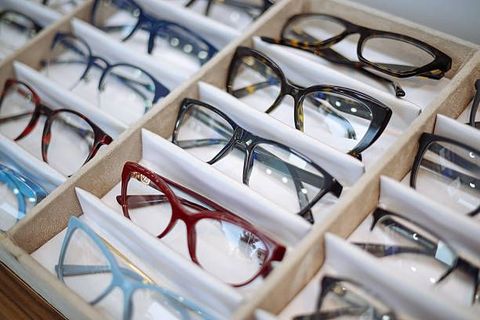
Learn About Spectacle Frames: Types, Features, and Tips
Spectacle frames are the structures that hold eyeglass lenses in place and help position them correctly in front of the eyes. They are an important part of prescription glasses, reading glasses, and many types of protective eyewear. Frames also influence comfort, durability, fit, and personal appearance.
Eyeglasses generally consist of lenses, a front frame or lens-holding structure, a bridge that rests on the nose, and temples that extend over the ears. Some designs include nose pads, hinges, adjustable temple tips, or additional components to improve stability.
The primary purpose of prescription glasses is to help correct refractive errors such as nearsightedness, farsightedness, and astigmatism. The frame supports the prescribed lenses, while the lens design and prescription determine the optical correction.
Spectacle frames are available in different shapes, materials, sizes, and construction styles. Understanding these differences helps people identify frames that suit their prescription, daily activities, facial measurements, and comfort requirements.
Why Spectacle Frames Matter
Choosing suitable glasses frames involves more than appearance. Frame design can affect how securely the lenses are held, how evenly the glasses rest on the face, and whether the eyewear remains comfortable during extended use.
Comfort and everyday use
Frames that fit properly should sit securely without excessive pressure on the nose, temples, or ears. Poorly fitted glasses may slide down, feel tight, or become uncomfortable during reading, computer work, driving, and other routine activities.
Important fitting considerations include:
Frame width relative to the face.
Bridge design and nose-pad placement.
Temple length and how the arms sit behind the ears.
Total frame weight and material.
Lens thickness, shape, and prescription requirements.
Prescription and lens compatibility
Not every frame is equally suitable for every prescription. Stronger prescriptions may require careful consideration of lens size, frame shape, lens material, and edge thickness. Larger frames can sometimes result in thicker or heavier lenses, depending on the prescription and lens design.
An optician can help assess whether a selected frame is appropriate for the intended lenses and explain any limitations.
Personal style and practical needs
Eyeglasses are worn in many settings, from classrooms and offices to outdoor activities. Some people prefer understated designs, while others choose distinctive colors, geometric shapes, or designer frames.
The best option depends on how the glasses will be used, how they fit, and whether they meet the wearer's visual and practical needs.
Types of Spectacle Frames
Spectacle frames are commonly classified by their construction, shape, and material. Each category has different characteristics, and suitability depends on individual requirements.
Full-rim glasses
Full-rim frames surround the lenses with a complete frame structure. They are available in plastic, acetate, metal, and mixed materials.
Common characteristics include:
A clearly defined frame outline.
A wide range of colors and shapes.
A structure that supports the lens around its perimeter.
Designs suitable for many everyday prescription lenses.
Full-rim glasses are a common choice for people who prefer a defined appearance and a broad selection of frame styles.
Rimless glasses
Rimless glasses do not have a complete surrounding frame. Instead, the lenses are connected to the bridge and temples through specialized mounting hardware.
They provide a minimal visual appearance and may feel lightweight, depending on the components used. However, the lenses and mounting points require appropriate handling because the construction differs from that of full-rim glasses.
Rimless designs may not be suitable for every prescription or lens material. An eyewear professional can check compatibility before the lenses are made.
Semi-rimless glasses
Semi-rimless frames have a partial rim around each lens, often along the upper edge. A thin cord or specialized mounting system supports the remaining portion.
These frames offer a balance between a defined upper outline and a less prominent lower edge. Their suitability depends on the mounting system, lens specifications, and intended use.
Popular Glasses Frame Shapes
Frame shape influences appearance, but it does not determine optical performance by itself. Comfort, correct measurements, and lens compatibility remain important.
| Frame style | Common characteristics |
|---|---|
| Round glasses | Circular or curved outlines with a classic appearance. |
| Square glasses | Angular outlines with clearly defined corners. |
| Rectangular glasses | Wider horizontal shapes often used in everyday eyewear. |
| Oval glasses | Rounded, elongated shapes with softer outlines. |
| Cat-eye glasses | Upward-sweeping outer corners. |
| Transparent frame glasses | Clear or translucent materials that create a subtle appearance. |
| Vintage glasses | Designs inspired by earlier eyewear styles, including retro shapes and details. |
Round glasses can have thin metal rims, bold acetate structures, or minimalist designs. Their appearance varies with frame size and bridge shape.
Square glasses feature more angular outlines and are available in both subtle and bold designs. The correct width and bridge fit are more important than choosing a shape based on general facial-shape advice.
Clear glasses frames and transparent frame glasses are made from clear or translucent materials. Some have a nearly colorless appearance, while others contain tinted or lightly colored finishes.
Vintage glasses may draw inspiration from round wire frames, browline designs, or thicker retro-style acetate frames. Modern versions can use updated materials and construction techniques.
Materials Used in Eyeglasses Frames
Frame materials influence weight, flexibility, maintenance, appearance, and durability. No single material is ideal for every person or situation.
Acetate and other plastics
Acetate frames are popular because they can be produced in many colors, patterns, and thicknesses. They are often selected for their defined shapes and distinctive appearance.
Other plastics are used in lightweight and flexible frame designs. Material quality and construction vary, so flexibility alone should not be treated as proof of durability.
Metal spectacle frames
Metal frames may use stainless steel, titanium, or other metal alloys. They often feature relatively slim profiles and adjustable nose pads.
Titanium is known for its favorable strength-to-weight characteristics and corrosion resistance. However, frame performance also depends on the alloy, coating, hinges, and overall design.
Mixed-material frames
Some eyeglasses combine metal temples with acetate fronts or use different materials in the bridge and frame rims. These combinations can change the frame's appearance, weight, and fit.
When evaluating a material, consider skin sensitivity, maintenance needs, frame flexibility, and compatibility with the prescribed lenses.
Designer Glasses and Fashion Frames
Designer glasses include eyewear associated with established fashion and eyewear brands. Designer frames may feature distinctive shapes, logos, materials, colors, or construction details.
The label alone does not determine comfort, optical quality, or suitability. Frame dimensions, hinge construction, lens compatibility, and fitting remain important.
Ray-Ban prescription glasses are one example of branded eyewear that can be configured with prescription lenses when the particular frame and lens options support them. Availability and compatibility depend on the model and prescription requirements.
Fashion glasses can also include transparent frames, oversized shapes, vintage-inspired designs, and minimalist metal structures. The most appropriate style is one that fits securely and meets the wearer's daily needs without interfering with vision or normal activities.
Recent Developments and Eyewear Trends
Spectacle frame designs continue to evolve as manufacturers explore different materials, shapes, and approaches to everyday comfort. Trends reported during 2025 and 2026 show interest in both expressive frames and understated designs.
Eyewear trends in 2026
Recent industry coverage has highlighted several styles:
Bold acetate frames: Thicker profiles and distinctive silhouettes provide a more noticeable appearance.
Transparent and translucent frames: Clear, smoky, champagne, and lightly tinted finishes remain visible in contemporary collections.
Rimless and minimalist glasses: These designs appeal to people who prefer less visible frame structures.
Geometric shapes: Angular, hexagonal, and softly squared designs provide alternatives to traditional round and rectangular frames.
Vintage-inspired eyewear: Classic shapes continue to influence modern frame designs.
These are general industry observations, not universal preferences. Trends vary across markets, manufacturers, and individual needs.
Laws and Regulations for Eyewear in India
Eyeglasses intended to correct vision are subject to relevant Indian medical-device regulations. The Central Drugs Standard Control Organization (CDSCO) oversees medical-device regulation under the Drugs and Cosmetics Act, 1940, and the Medical Devices Rules, 2017. The applicable requirements depend on the device category and intended use.
Consumers should consider the following points:
Obtain an appropriate eye examination and prescription when corrective lenses are needed.
Check that prescription lenses match the prescribed specifications.
Ask about applicable product standards and manufacturer information.
For occupational hazards, use protective eyewear appropriate to the identified risk.
Consult a qualified eye-care professional if vision remains blurred or discomfort persists.
Prescription safety glasses are designed for specific workplace hazards and should meet the applicable protection requirements. Ordinary prescription glasses should not be assumed to provide adequate protection against impacts, flying particles, or chemicals.
Official information is available through the CDSCO website and the Bureau of Indian Standards. Regulatory requirements can change, so current official guidance should be checked when needed.
Tools and Resources for Choosing Spectacle Frames
The following resources can help readers understand prescriptions, compare frame dimensions, and make informed eyewear decisions.
National eye-health information: The National Programme for Control of Blindness and Visual Impairment provides information about eye-health initiatives in India.
CDSCO: The official medical-device portal provides regulatory information.
Bureau of Indian Standards: The BIS website provides information about Indian standards and product certification.
Frame measurement guides: Learn how lens width, bridge width, and temple length affect frame fit.
Virtual try-on tools: Some eyewear platforms provide digital previews of different shapes. These previews are useful for exploring appearance but cannot confirm physical fit or prescription suitability.
Prescription records: Keep a current copy of the prescription and discuss lens compatibility with an optician.
Frequently Asked Questions
What is the difference between spectacle frames and prescription glasses?
Spectacle frames hold the lenses in position. Prescription glasses combine a suitable frame with lenses designed to correct an individual's refractive error.
Are rimless glasses suitable for everyone?
Not necessarily. Suitability depends on the prescription, lens material, mounting system, and daily activities. An optician can assess whether a rimless design is appropriate.
Are transparent frame glasses suitable for everyday use?
They can be suitable for everyday wear if the frame fits correctly, holds the lenses securely, and meets the wearer's practical needs. Material quality and maintenance also matter.
How should someone choose between round and square glasses?
Consider frame width, bridge fit, comfort, lens compatibility, and personal preference. Trying different shapes can help identify a comfortable option; facial-shape guidelines are only general suggestions.
What should people know about prescription safety glasses?
They combine vision correction with protection designed for particular hazards. The appropriate eyewear depends on the workplace risk and applicable safety standards. Regular prescription glasses are not automatically protective eyewear.
Conclusion
Spectacle frames combine optical function, physical comfort, durability, and personal style. Understanding full-rim, semi-rimless, rimless, round, square, transparent, and designer frames helps readers compare different options more effectively.
Material selection and accurate fitting are especially important because the frame must support the prescribed lenses and remain comfortable during everyday activities. Designer labels and current fashion trends may influence appearance, but they do not replace proper fit or optical suitability.
By reviewing reliable eye-health information, understanding applicable Indian regulations, and consulting qualified eyewear professionals when necessary, readers can make informed decisions about prescription glasses and other types of eyewear.

Related Post...

Explore Career Strategy Development: A Complete Guide to Planning, Growth, and Professional Success
Updated: October 22, 2026
Read More
Explore Paper Recycling Machines: A Complete Guide to Technology, Types, and Applications
Updated: October 26, 2026
Read More
Explore Electric Cargo Bikes: A Complete Guide to Features, Benefits, and Applications
Updated: October 23, 2026
Read More