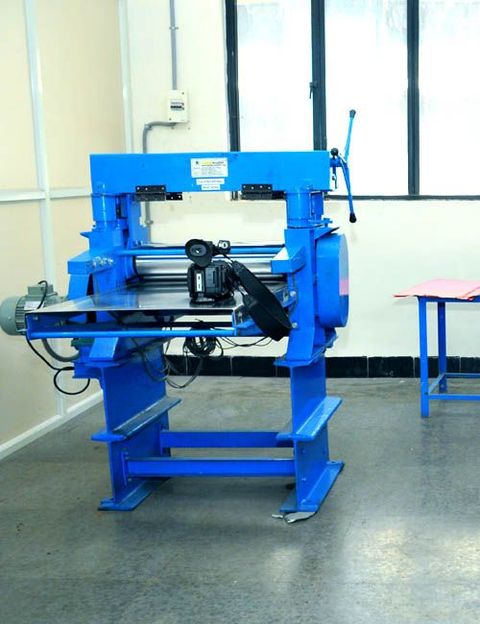
Explore Paper Recycling Machines: A Complete Guide to Technology, Types, and Applications
Paper recycling machines are industrial systems that process used paper and paperboard into reusable fibers. These fibers can be used to manufacture recycled paper, packaging materials, cardboard, tissue products, and other paper-based goods. The equipment helps recover valuable materials from waste that might otherwise be sent to landfills or disposed of through other methods.
Paper recycling combines mechanical processing, water-based treatment, separation, and sometimes chemical processes. The equipment required depends on the type of waste paper, the quality of the recovered fibers, and the intended final product.
For example, a facility processing office paper may require different separation and cleaning equipment from a plant processing corrugated cardboard or mixed paper packaging.
Paper Recycling Machine Technology has developed to support more consistent material recovery, improved process monitoring, and more efficient handling of large volumes of paper waste.
How Paper Recycling Equipment Works
A typical paper recycling process involves several stages. Not every facility uses every stage, because equipment configurations depend on the feedstock and production requirements.
Collection and preparation: Used paper is collected, transported, and prepared for processing. Large contaminants may be removed before the material enters the system.
Sorting: Paper is separated by grade, composition, color, or other relevant characteristics.
Pulping: Paper is mixed with water in a pulper to separate the fibers and form a slurry.
Screening and cleaning: Screens and cleaning equipment remove materials such as plastic pieces, staples, grit, and other contaminants.
Deinking, when required: Printing inks and related residues are removed using suitable mechanical and chemical processes.
Fiber treatment: The pulp may undergo refining or other treatment to achieve the properties needed for the intended paper product.
Papermaking: The cleaned pulp is formed into a sheet, drained, pressed, and dried.
Recovered fibers can also be supplied to another manufacturing facility rather than being converted into finished paper at the same site.
Main Types of Paper Recycling Machines
Different machines perform specific tasks within the recycling process. Industrial systems usually combine multiple types of equipment into an integrated production line.
Industrial Paper Recycling Equipment
Industrial paper recycling equipment is designed to handle substantial volumes of recovered paper in manufacturing and processing facilities. It can include pulpers, conveyors, screens, cleaners, presses, pumps, and material-handling systems.
The equipment must be selected according to the characteristics of the paper feedstock, expected throughput, contamination levels, and required pulp quality.
Commercial Paper Recycling Machines
Commercial paper recycling machines support the collection, compaction, and preparation of paper waste in settings such as offices, distribution centers, printing facilities, and retail operations.
Common examples include paper shredders, balers, compactors, and smaller material-handling systems. These machines prepare paper for collection and transportation, but they do not necessarily convert waste paper directly into reusable pulp.
Paper Pulping Machines
Paper pulping machines mix recovered paper with water and use mechanical action to separate the fibers. A pulper generally includes a tank, rotor, drive system, and arrangements for removing heavy or coarse contaminants.
Pulping conditions vary according to the paper grade and the presence of adhesives, coatings, inks, or wet-strength additives. Effective pulping helps prepare the material for later cleaning and screening.
Paper Sorting Machines
Paper sorting machine technology uses manual inspection, mechanical separation, sensors, or combinations of these methods to separate materials into appropriate categories.
Some advanced systems use optical sensors and automated recognition to distinguish selected material types. Performance depends on material condition, contamination, equipment configuration, and the sorting criteria.
Screening and Cleaning Equipment
Screening equipment separates contaminants according to their size, shape, or behavior as pulp passes through openings. Cleaning systems can remove heavier particles, grit, and other unwanted materials.
These processes help improve pulp quality and protect downstream equipment from damage or blockage.
Deinking Systems
Deinking equipment is used when ink removal is necessary for the intended recycled paper product. Processes may involve flotation, washing, or a combination of methods.
The appropriate method depends on ink type, printing technology, fiber characteristics, and the quality requirements of the finished paper.
Pressing and Dewatering Machines
Presses and dewatering systems remove water from recovered pulp or processed paper waste. In paper mills, dewatering is important because removing water mechanically can reduce the amount of energy required for subsequent drying.
The specific equipment used depends on whether the material is being prepared for transport, further treatment, or papermaking.
Comparison of Paper Recycling Equipment
| Equipment type | Main function | Common application |
|---|---|---|
| Paper baler | Compresses paper into manageable bales | Warehouses and collection facilities |
| Conveyor system | Moves paper between processing stages | Recycling plants and paper mills |
| Hydrapulper | Separates paper fibers in water | Industrial pulp preparation |
| Screening system | Removes selected contaminants | Pulp cleaning lines |
| Deinking equipment | Removes printing ink and related residues | Recycled graphic paper production |
| Dewatering press | Removes water from processed material | Pulp handling and waste processing |
| Optical sorting system | Identifies and separates selected materials | Automated recycling facilities |
The table provides a general overview. Actual equipment requirements depend on the material being processed and the intended output.
Automated Paper Recycling Systems and Plant Design
Automated paper recycling systems combine conveyors, sensors, control panels, pumps, and monitoring software to coordinate different stages of processing. Automation can help maintain consistent operating conditions and identify certain process problems, although results depend on equipment design and maintenance.
A paper recycling plant may include the following components:
Waste paper receiving and storage areas.
Sorting conveyors and contaminant removal systems.
Pulping tanks and fiber separation equipment.
Screening, cleaning, and optional deinking units.
Water treatment and recirculation systems.
Pulp storage, quality monitoring, and output handling equipment.
Paper Recycling Plant Design requires careful planning. Engineers consider the available space, expected material volume, water supply, energy requirements, drainage, worker safety, and environmental controls.
The layout should support a logical movement of materials while reducing unnecessary handling. Facilities also need appropriate arrangements for storing recovered paper, separating contaminants, managing wastewater, and maintaining machinery.
Importance of Paper Recycling Equipment
Paper recycling equipment supports material recovery by turning discarded paper into a potential resource for manufacturing. It serves several groups, including paper mills, packaging manufacturers, printing facilities, recycling centers, warehouses, and municipal waste management organizations.
Its main benefits include:
Resource conservation: Recovered fibers can reduce the demand for virgin wood fibers, depending on product requirements and the quality of recovered material.
Waste reduction: Recycling can divert suitable paper waste from disposal facilities.
Industrial efficiency: Mechanized sorting and processing can handle larger material volumes than manual methods alone.
Material recovery: Screening and cleaning systems help separate unwanted substances from usable fibers.
Process consistency: Sensors and automated controls can help monitor operating conditions and detect process variations.
Paper recycling also has limitations. Fibers generally become shorter and weaker after repeated processing, so they cannot be recycled indefinitely without changes in product quality. Some paper products contain coatings, adhesives, inks, or other substances that complicate recovery.
The overall environmental benefit depends on factors such as energy use, water consumption, transportation, wastewater treatment, and the final use of recovered fibers.
Recent Developments in Paper Recycling Technology
Recent developments focus on improving material separation, reducing resource consumption, and strengthening environmental monitoring.
Environmental standards update, September 2025
India's Ministry of Environment, Forest and Climate Change issued the Environment (Protection) Seventh Amendment Rules, 2025, through notification G.S.R. 612(E), dated 4 September 2025 and published in the Gazette on 10 September 2025. The amendment updates environmental standards for the pulp and paper industry, including effluent requirements for recycled-fiber-based pulp and paper mills. The notification specifies that the changes come into force two years after publication.
This development highlights the importance of wastewater treatment, process monitoring, and environmental planning when designing paper recycling facilities.
Digital monitoring and process automation
Industrial recycling facilities increasingly use sensors, programmable controls, and process data to monitor material flow, machine operation, and selected quality indicators. Optical sorting technology can also help identify certain unwanted materials before they enter later processing stages.
The suitability of these technologies depends on the material stream, facility scale, and required separation accuracy. Automation does not eliminate the need for inspection, equipment maintenance, or quality testing.
Circular economy and resource recovery
Circular economy approaches emphasize keeping materials in productive use for as long as practical. Paper recycling supports this approach by recovering fibers and returning them to manufacturing.
Current technical priorities include improving sorting accuracy, reducing water losses, managing process residues, and recovering useful materials from mixed waste streams. These measures require site-specific evaluation rather than assuming that one system will suit every facility.
Laws and Environmental Policies in India
Paper recycling facilities must consider waste management requirements, pollution-control rules, and applicable industrial environmental standards.
Solid Waste Management Rules, 2026
India's Ministry of Environment, Forest and Climate Change notified the Solid Waste Management Rules, 2026, on 27 January 2026. The rules came into effect on 1 April 2026, replacing the 2016 rules. They establish requirements for waste segregation, collection, processing, reporting, and the responsibilities of relevant stakeholders. Paper is included in the dry-waste stream.
The rules are relevant to waste collection and material recovery systems. Their specific application to a paper recycling facility depends on the facility's activities and regulatory classification.
Environment (Protection) Act, 1986
This legislation provides a broad framework for environmental protection in India. Relevant notifications made under the Act establish environmental standards for specified industrial activities, including pulp and paper production.
Air and water pollution regulations
The Air (Prevention and Control of Pollution) Act, 1981, and the Water (Prevention and Control of Pollution) Act, 1974, provide important pollution-control frameworks. Facilities may need approvals or consents from the relevant State Pollution Control Board or Pollution Control Committee, depending on their activities and applicable rules.
Before developing or modifying a plant, operators should verify current requirements with the appropriate authorities. Relevant considerations may include effluent treatment, air emissions, sludge management, workplace safety, and the handling of process chemicals.
Tools and Resources for Learning
The following resources can help readers understand paper recycling technology, environmental requirements, and plant planning.
Central Pollution Control Board: Environmental monitoring, pollution-control guidance, and regulatory information.
Centralised Solid Waste Management Portal: Information about India's solid waste management framework and reporting arrangements.
Ministry of Environment, Forest and Climate Change: Official environmental rules, notifications, and policy documents.
Bureau of Indian Standards: Information on relevant Indian standards and technical publications.
United Nations Environment Programme: Research and educational material on waste management and circular economy approaches.
Plant planning worksheets: A process-flow diagram, equipment inventory, water-use log, maintenance checklist, and material-quality record can help organize preliminary planning.
When evaluating paper recycling equipment, useful technical indicators include throughput, contaminant removal performance, pulp quality, water consumption, energy demand, maintenance requirements, and wastewater characteristics. These indicators should be assessed together because improving one measurement may affect another.
Frequently Asked Questions
What is a paper recycling machine?
A paper recycling machine is equipment that performs a specific task in the recovery of paper materials, such as sorting, shredding, pulping, screening, deinking, or dewatering. Complete recycling plants combine multiple machines.
What is the role of a paper pulping machine?
A paper pulping machine separates recovered paper fibers by mixing the material with water and applying mechanical action. The resulting pulp can then undergo screening, cleaning, and other treatments.
Can all types of paper be recycled using the same equipment?
No. Ordinary office paper, corrugated cardboard, coated paper, and contaminated mixed paper have different processing requirements. Equipment selection depends on fiber characteristics, contaminants, and the intended product.
How do automated paper recycling systems improve processing?
Automation can coordinate conveyors, monitor operating conditions, support material identification, and help detect equipment problems. Its effectiveness depends on sensor capability, system integration, material quality, and maintenance.
What should be considered when planning a paper recycling plant?
Important factors include feedstock quality, processing capacity, equipment layout, water and energy use, wastewater treatment, contaminant management, worker safety, and applicable environmental regulations.
Conclusion
Paper recycling machines play an important role in recovering fibers and supporting the reuse of paper materials. Industrial paper recycling equipment, pulping machines, sorting systems, screening units, and automated controls perform different functions within an integrated recycling process.
Understanding these technologies helps explain how recovered paper moves from collection and preparation to reusable pulp and new paper products. Effective plant design also requires attention to material quality, water and energy use, worker safety, and environmental compliance.
As recycling technology develops, improved monitoring, more precise sorting, and responsible resource management can help facilities process suitable paper waste more consistently. The best technical approach depends on the materials being handled, the desired output, and the environmental requirements of the facility.

Related Post...

Explore Career Strategy Development: A Complete Guide to Planning, Growth, and Professional Success
Updated: October 22, 2026
Read More
Explore Eye Lens Basics: A Complete Guide to Types, Functions, and Eye Health
Updated: October 26, 2026
Read More
Learn E-Waste Recycling Plant Basics: A Beginner’s Guide to Methods, Equipment, and Resources
Updated: October 23, 2026
Read More