Explore Hot Air Balloon Rentals: A Complete Guide to Experiences, Features, and Important Details
Hot air ballooning is an aerial activity in which a large fabric envelope is filled with heated air to create enough lift for the balloon to rise above the ground. It is used for recreational experiences, sightseeing, tourism, educational activities, and organized aviation events.
A hot air balloon generally consists of three main components: the envelope, the burner system, and the basket. The envelope holds heated air, while the burner produces the heat needed to maintain lift. The basket carries the pilot and passengers during flight.
The basic principle is that heated air is less dense than cooler surrounding air. As the air inside the envelope becomes warmer, the balloon gains buoyancy and rises. The pilot regulates the temperature to control ascent and descent.
Hot air balloon rentals generally refer to arrangements through which individuals or groups participate in a balloon experience. Depending on the location and operator, these arrangements may involve shared passenger flights, private balloon rides, tethered experiences, or balloon appearances at organized events.
Different Types of Hot Air Balloon Rides
Hot air balloon experiences can differ according to their flight arrangements, duration, location, and purpose.
Traditional free-flight balloon rides
A free-flight balloon travels through the air with the wind. The pilot controls the balloon's altitude, while the wind largely determines its horizontal direction.
These flights can provide views of countryside landscapes, hills, rivers, agricultural areas, and other geographical features.
Private hot air balloon rides
Private hot air balloon rides are arranged for a particular group rather than combining unrelated passengers. They may be selected for personal celebrations, family experiences, anniversaries, or special occasions.
The actual arrangement depends on the balloon's approved passenger capacity, operational conditions, and the operator's policies.
Tethered hot air balloon rides
A tethered balloon is connected to the ground using secure ropes or cables. It rises to a controlled height and returns to the landing area without following a normal free-flight route.
These experiences are commonly associated with tourism attractions, exhibitions, and public events. Their duration and height depend on the equipment, weather, and operating permissions.
Hot air balloon tours
Hot air balloon tours generally involve planned recreational flights over selected geographical areas. Depending on the destination, visitors may observe natural landscapes, historic locations, lakes, mountains, or urban surroundings.
Unlike road-based sightseeing, balloon tours provide an aerial perspective. However, the exact route cannot always be predetermined because free-flight balloons move with changing wind conditions.
Hot air balloon event experiences
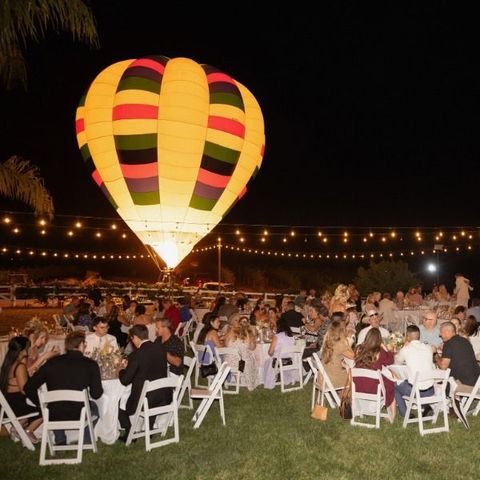
Balloon activities can also form part of tourism festivals, cultural celebrations, exhibitions, and organized outdoor gatherings. Event arrangements may include tethered rides, balloon displays, night-glow presentations, and demonstrations.
Why Hot Air Balloon Adventures Are Important
Hot air ballooning combines aviation, outdoor recreation, tourism, and engineering. It provides an opportunity to understand how atmospheric conditions and basic physical principles influence flight.
Tourism and local development
Hot air balloon tours can introduce visitors to landscapes and destinations from a different perspective. Ballooning activities may also contribute to local tourism by encouraging visitors to explore surrounding attractions, accommodation facilities, cultural locations, and regional activities.
For example, ballooning destinations in Rajasthan are associated with sightseeing around Jaipur and its surrounding landscapes.
Educational value
Balloon experiences can introduce participants to several scientific and technical concepts:
Air temperature and density.
Atmospheric pressure and wind direction.
Buoyancy and heat transfer.
Aviation equipment and maintenance.
Weather observation and flight planning.
These concepts make ballooning relevant to educational demonstrations and recreational learning.
Personal and group experiences
A hot air balloon adventure may be included in family outings, group activities, photography trips, and special celebrations. Private arrangements can provide a more individual experience, while shared rides allow passengers to participate together.
Event and tourism planning
Hot air balloon event services, including balloon displays and tethered activities, require coordination between pilots, ground crews, event organizers, and local authorities. Planning involves passenger movement, equipment placement, crowd management, emergency arrangements, and weather monitoring.
Important Features of Hot Air Balloon Equipment
A balloon's equipment is designed to support controlled operation and passenger safety.
| Component | Main function |
|---|---|
| Envelope | Holds the heated air that creates buoyancy. |
| Burner | Heats the air inside the envelope. |
| Fuel cylinders | Store fuel used by the burner. |
| Basket | Carries passengers and the pilot. |
| Temperature indicator | Helps monitor envelope temperature. |
| Altimeter | Indicates the balloon's altitude. |
| Radio equipment | Supports communication where required. |
| Fire extinguisher | Provides equipment for responding to certain fire emergencies. |
The balloon's envelope is generally made from specially designed heat-resistant fabric. Its condition, seams, suspension systems, burner components, and fuel arrangements require appropriate inspection and maintenance.
Passenger capacity is determined by the balloon's approved configuration and operating limitations. It should never be assumed from the appearance or size of the basket alone.
Preparing for a Hot Air Balloon Booking
Planning a balloon experience requires more than selecting a destination and date. Passengers should understand the flight arrangement, weather requirements, safety procedures, and participation conditions.
Important considerations include:
Location: Confirm the actual launch site and surrounding geographical area.
Flight type: Identify whether the experience is a free flight or tethered ride.
Duration: Check the expected flight time and total time required for preparation and transportation.
Passenger capacity: Understand the approved capacity and group arrangements.
Weather conditions: Confirm how wind, visibility, rain, and temperature influence flight decisions.
Safety information: Review passenger instructions, emergency procedures, and applicable restrictions.
Cancellation arrangements: Understand how weather-related postponements and rescheduling are handled.
Accessibility: Ask about physical requirements and whether the basket design is suitable for the passenger.
Balloon flights commonly take place around sunrise or during suitable evening conditions because winds and atmospheric conditions may be more favorable. However, the actual operating schedule depends on local weather and the pilot's assessment.
Passengers should wear comfortable clothing and suitable footwear. Loose objects should be secured, and all instructions from the pilot and ground crew should be followed.
Safety Considerations Before Flying
Safety is one of the most important aspects of hot air ballooning. Unlike many ground-based recreational activities, balloon flights depend heavily on weather conditions and aviation procedures.
Before participating, passengers should understand the following:
Flights may be delayed or cancelled because of unsuitable weather.
Strong winds and sudden weather changes can affect take-off and landing.
Passengers must follow instructions during boarding, flight, and landing.
Smoking and unauthorized handling of burners or fuel equipment should be avoided.
Children and individuals with mobility limitations may have additional participation requirements.
Operators should maintain appropriate emergency procedures and equipment inspection records.
A responsible operator should be able to explain pilot qualifications, aircraft documentation, passenger limitations, and emergency arrangements.
Recent Developments and Trends in Hot Air Ballooning
Hot air ballooning continues to develop as an adventure tourism activity in India and other countries. Recent developments include new tourism destinations, organized balloon festivals, tethered balloon attractions, and improvements in flight monitoring and operational planning.
Indian Army ballooning expedition – December 2025
On 10 December 2025, the Indian Army announced the completion of a hot air ballooning expedition from Bhopal to Pune. The expedition covered more than 750 kilometres, beginning on 30 November 2025. A major highlight was a non-stop balloon flight lasting 8 hours and 44 minutes, which received recognition in the Asian Book of Records.Hyderabad Hot Air Balloon Festival – January 2026
On 16 January 2026, a hot air balloon festival was inaugurated near Golconda Fort in Hyderabad. The event introduced ballooning activities as part of Telangana's tourism calendar, combining aerial sightseeing with organized festival activities.Delhi balloon tourism developments – October 2026
On 21 October 2026, reports indicated that the Delhi Development Authority planned to resume tethered hot air balloon rides at Baansera from 14 November 2026. The activity had previously been suspended during warmer months. This highlights how seasonal weather conditions influence balloon tourism schedules.Emerging trends
Improved weather forecasting and flight monitoring.
Greater use of tethered balloon experiences at public events.
Expansion of adventure tourism activities in different Indian destinations.
Increased attention to passenger safety and operational documentation.
Balloon festivals combining sightseeing, cultural activities, and aerial demonstrations.
These developments demonstrate the growing variety of ballooning experiences, although availability depends on location, permissions, and operating conditions.
Laws, Regulations, and Government Guidelines in India
Hot air ballooning is an aviation activity in India and must follow applicable aviation regulations. Operators cannot treat balloon rides as ordinary recreational activities without considering aircraft registration, pilot qualifications, maintenance, and flight permissions.
Directorate General of Civil Aviation (DGCA)
The Directorate General of Civil Aviation regulates important aspects of civil aviation in India. Its requirements cover aircraft airworthiness, pilot licensing, equipment standards, and operational safety.
The DGCA's Civil Aviation Requirements include provisions relating to hot air balloon operations. Relevant technical and operational requirements should be checked against the latest applicable regulatory documents.Bharatiya Vayuyan Adhiniyam, 2024
This legislation provides the broader legal framework for civil aviation in India. It was notified on 11 December 2024 and supports the administration and regulation of aviation activities.National Air Sports Guidelines, 2023
India's National Air Sports Guidelines provide a framework for developing and managing air sports activities, including ballooning. They emphasize safety, responsible operations, pilot qualifications, and compliance with applicable aviation requirements.Important operational requirements
Depending on the type of activity and applicable approvals, balloon operators may need to maintain:
Appropriate aircraft registration and airworthiness documentation.
Qualified and appropriately licensed balloon pilots.
Required equipment inspection and maintenance records.
Flight permissions and coordination with relevant aviation authorities.
Emergency response procedures.
Passenger safety instructions and operational records.
The applicable requirements may differ according to the balloon, flight arrangement, and location. Organizers should verify current DGCA and local authority requirements before conducting an activity.
Useful Tools and Resources for Hot Air Balloon Experiences
Reliable information helps passengers understand ballooning procedures and helps organizers prepare for aviation-related requirements.
Resource | Purpose |
|---|---|
DGCA | Aviation regulations, safety information, and official guidance. |
Ministry of Civil Aviation | Government aviation policies and announcements. |
Airports Authority of India | Aviation information and relevant airspace coordination resources. |
Ministry of Tourism | Adventure tourism guidelines and tourism information. |
India Tourism | Information about Indian tourism destinations. |
Windy | Weather maps and wind-condition information for general planning. |
Weather applications are useful for understanding forecasts, but they do not replace the pilot's official pre-flight assessment.
Frequently Asked Questions
What is a hot air balloon ride?
A hot air balloon ride is an aerial recreational activity in which passengers travel inside a basket suspended beneath a heated balloon envelope. The pilot controls the balloon's altitude using heat and follows suitable wind conditions.
What is the difference between private and shared hot air balloon rides?
A shared ride involves passengers who may not belong to the same group. A private ride is arranged for a particular group, subject to the balloon's approved passenger capacity and operating conditions.
How long does a hot air balloon adventure usually last?
Flight duration varies according to the location, balloon type, weather, and operating arrangements. Passengers should also consider preparation, boarding, landing, and return transportation when planning their schedule.
Are hot air balloon rides safe?
Hot air ballooning involves aviation risks. Safety depends on qualified pilots, maintained equipment, suitable weather, operational permissions, and compliance with aviation requirements. Flights may be postponed when conditions are unsuitable.
When is the best time for hot air balloon tours in India?
Suitable seasons vary by destination. Many locations conduct balloon activities during cooler months, when weather conditions may be more favorable. However, the pilot's assessment and local operating permissions determine whether a particular flight can proceed.
Conclusion
Hot air balloon rentals and tours provide a distinctive way to experience landscapes, understand aviation principles, and participate in recreational activities. From shared hot air balloon rides and private experiences to tethered attractions and organized balloon festivals, different arrangements serve different interests and locations.
Understanding balloon equipment, flight procedures, weather conditions, passenger requirements, and aviation regulations is essential before participating. In India, the DGCA and other relevant authorities play important roles in establishing the framework for safe ballooning activities.
As adventure tourism develops, responsible planning, qualified pilots, equipment maintenance, and informed passenger participation remain central to the future of hot air ballooning.

Related Post...

Learn About Luxury Car Rentals: Helpful Tips, Useful Resources, and Practical Insights
Updated: October 30, 2026
Read More
Learn About Cold Storage Rentals: Essential Details, Knowledge, and Useful Resources
Updated: October 27, 2026
Read More
Learn About Cold Storage Rental: Essential Details, Knowledge, and Useful Resource
Updated: October 28, 2026
Read More