Explore Resin Earrings: A Complete Guide to Designs, Styles, and Trends
Resin earrings are jewelry pieces made using resin, a material that can harden into a solid form after a chemical curing process or another material-specific setting process. Depending on the resin type and manufacturing technique, it can be transparent, translucent, opaque, colored, or decorated with embedded elements.
Resin is used to create a wide range of jewelry styles, from simple geometric shapes to detailed botanical designs. Its versatility allows makers to experiment with color combinations, textures, patterns, and decorative inclusions.
Handmade earrings made with resin can include individually arranged flowers, metallic flakes, pigments, glitter, or small decorative elements. The finished appearance depends on the resin formulation, mold, curing conditions, and design process.
Resin earrings can be used as everyday accessories or as statement jewelry for special occasions. Their shape, thickness, color, and hardware influence their appearance, weight, comfort, and suitability for different outfits.
How Resin Earrings Are Designed
Resin jewelry making combines material selection, decorative planning, shaping, curing, and finishing. Each stage can influence the final result.
Choosing the resin material
Common materials include epoxy resin and UV-curing resin. They have different curing requirements, working times, and suitable applications.
Epoxy resin: Usually requires mixing two components in the specified ratio and allowing sufficient time for curing.
UV-curing resin: Hardens when exposed to a suitable ultraviolet light source, following the manufacturer's instructions.
Colored resin: Uses compatible pigments or dyes to create opaque, translucent, or layered effects.
Not every resin is intended for every jewelry application. Makers should follow the product's technical instructions and safety guidance.
Selecting shapes and molds
Molds determine the outline and dimensions of the earrings. Popular shapes include circles, arches, teardrops, flowers, rectangles, and irregular abstract forms.
Mold design affects more than appearance. Larger or thicker pieces may require different curing conditions and can feel heavier when worn.
Adding decorative details
Resin can incorporate compatible pigments, metallic foil, dried botanical elements, and other suitable inclusions. The arrangement of these materials helps establish the visual character of the finished jewelry.
For example, a single dried flower can create a simple botanical design, while several colored layers can produce a more abstract effect.
Finishing and assembly
After curing, the pieces may require careful demolding, edge smoothing, polishing, and attachment of earring findings. Sharp edges, incomplete curing, or poorly secured components can affect comfort and durability.
A finished pair should be inspected for surface defects, secure attachments, and consistent shapes before use.
Popular Resin Earring Designs and Styles
Resin earrings are available in different visual styles, making them suitable for a range of preferences and occasions.
Floral resin earrings
Floral resin earrings feature flowers or botanical elements embedded in clear or lightly tinted resin. They can have a delicate appearance and are often associated with spring-inspired colors, nature-themed accessories, and botanical jewelry.
Designs may include tiny flowers, leaves, petals, or combinations of botanical elements. The final appearance depends on the plant material, its preparation, and how it is positioned within the resin.
Pressed flower earrings
Pressed flower earrings use flattened flowers or petals that are carefully preserved and incorporated into a jewelry design. Clear resin can make the botanical details visible from different angles.
Dried flowers must be sufficiently prepared for the selected resin system. Moisture can affect appearance, curing, or long-term stability, so the maker's materials and preparation methods matter.
Statement earrings
Statement earrings are designed to attract attention through their size, shape, color, or distinctive details. Resin makes it possible to create bold geometric pieces, colorful abstract designs, and sculptural forms.
Because statement earrings can be larger than everyday styles, weight and attachment strength should be considered alongside appearance.
Minimalist and lightweight earrings
Minimalist earrings use simple outlines, restrained colors, and clean shapes. Small hoops, thin arches, geometric studs, and translucent drops are examples of this approach.
Lightweight earrings are often preferred for longer periods of wear. However, weight depends on dimensions, thickness, material density, and metal components rather than on the word "resin" alone.
Custom and designer earrings
Custom earrings may incorporate selected colors, initials, shapes, or decorative themes. Designer earrings may focus on a distinctive visual concept, a coordinated collection, or a particular artistic technique.
Personalization can influence the design, but it does not automatically establish the quality, comfort, or durability of the finished piece.
Comparing Resin Earring Styles
| Style | Common design features | Points to consider |
|---|---|---|
| Floral resin earrings | Flowers, leaves, botanical details | Preservation and visibility of inclusions |
| Pressed flower earrings | Flattened petals in clear resin | Flower preparation and moisture |
| Statement earrings | Bold shapes and noticeable colors | Weight and attachment strength |
| Minimalist earrings | Simple geometric forms | Finish, proportions, and versatility |
| Custom earrings | Personalized shapes or colors | Design consistency and material compatibility |
| Lightweight earrings | Thin or compact forms | Total weight and comfortable findings |
No single style suits every situation. Design choices depend on personal preference, outfit, occasion, comfort, and the materials used.
Why Resin Earrings Remain an Interesting Jewelry Topic
Resin jewelry brings together decorative art, material experimentation, and personal style. It allows makers to explore color, transparency, layering, and botanical inclusions without relying on a single traditional jewelry-making technique.
For wearers, the variety of shapes and finishes provides options for different clothing styles and occasions. Small translucent earrings may complement everyday outfits, while larger colorful designs can become the main visual feature of an ensemble.
Resin earrings are also relevant to craft education because their production involves measuring, mixing, mold preparation, curing, finishing, and quality inspection. Learning about these steps helps people understand why finished pieces can vary in appearance and performance.
Material knowledge is important, too. Resin is not automatically suitable for every skin contact or wearing condition. The type of resin, completeness of curing, surface finish, metal findings, and individual sensitivities all affect the suitability of a piece.
Recent Trends in Resin Earrings
Jewelry design continues to explore personal expression, nature-inspired details, sculptural shapes, and colorful materials. Fashion coverage published in 2026 has highlighted statement earrings, personalized jewelry, and expressive silhouettes as notable directions. These broader jewelry trends also provide context for resin earring design, although they do not establish sales figures or prove that every style is popular in every market.
Notable design directions include:
Botanical details: Pressed flowers, leaves, and nature-inspired patterns create delicate designs.
Sculptural shapes: Oversized arches, irregular circles, and abstract forms provide a more artistic appearance.
Personalized styles: Initials, selected colors, and symbolic details allow individual expression.
Marbled effects: Swirling pigments create patterns that vary from one piece to another.
Mixed materials: Resin combined with suitable metal or other decorative elements introduces contrast and texture.
These are design observations rather than guaranteed predictions. Personal preferences, local traditions, seasonal collections, and individual styling choices all influence which designs people choose.
Laws, Safety, and Consumer Guidance in India
Resin earrings are generally considered fashion accessories rather than precious-metal jewelry. The relevant legal requirements depend on how a product is manufactured, described, labeled, and distributed.
Consumer protection: India's Consumer Protection Act, 2019 provides a framework addressing consumer rights, unfair trade practices, and misleading representations. Product descriptions should accurately communicate material composition, dimensions, and relevant limitations.
Precious-metal hallmarking: The Bureau of Indian Standards administers India's hallmarking framework for covered precious-metal jewelry. Resin earrings do not require gold hallmarking simply because they contain resin. If a design includes gold components marketed as covered precious-metal jewelry, the applicable hallmarking requirements should be checked.
Material safety: Resin products should be handled according to the manufacturer's safety instructions. During manufacture, some uncured resin systems can irritate the skin or eyes, and certain products require ventilation and protective equipment. Proper curing is essential before a finished piece is handled or worn.
A basic design checklist can include the intended shape, color palette, overall dimensions, estimated weight, type of earring finding, and any decorative inclusions. This makes it easier to compare designs consistently before production.
Frequently Asked Questions
What are resin earrings made of?
Resin earrings are made using a resin material that hardens into a solid form. Depending on the design, they may contain pigments, metallic flakes, dried flowers, or other compatible decorative elements.
Are resin earrings lightweight?
Some resin earrings are lightweight, particularly small or thin designs. Actual weight depends on size, thickness, resin type, decorative inclusions, and metal findings.
How are pressed flower earrings made?
Flowers are dried or pressed, positioned in a suitable mold, and embedded in resin. The resin is then cured according to its manufacturer's instructions and the finished piece is carefully inspected and assembled.
How should resin earrings be cared for?
Keep them away from excessive heat, harsh chemicals, and prolonged direct sunlight. Clean them gently with a soft cloth and follow any care instructions supplied by the maker. Avoid assuming that every resin formulation has the same resistance to scratches or discoloration.
Are resin earrings suitable for sensitive ears?
Suitability depends on the wearer's sensitivities, the resin's curing and finishing, and the metal used in the earring posts or hooks. People with known metal allergies should check the hardware material and discontinue use if irritation develops.
Conclusion
Resin earrings combine material experimentation with a wide variety of colors, shapes, and decorative techniques. From handmade earrings and pressed flower designs to bold statement earrings and minimalist lightweight styles, the range of possibilities makes resin an interesting material for contemporary jewelry.
Understanding the design process, material properties, finishing methods, and care requirements helps readers evaluate different styles more confidently. Responsible manufacturing, accurate product descriptions, and attention to material safety are also important parts of resin jewelry education.
Whether exploring botanical details, custom earrings, or unique earring designs, a thoughtful approach to appearance, comfort, and material quality helps keep the focus on informed choices rather than passing trends.

Related Post...
Explore Designer Bangles: A Complete Guide to Styles and Designs
Updated: October 27, 2026
Read More
Explore Sky Blue Enamel Jewelry : A Complete Guide to Designs, Styles, and Essential Tips.
Updated: October 19, 2026
Read More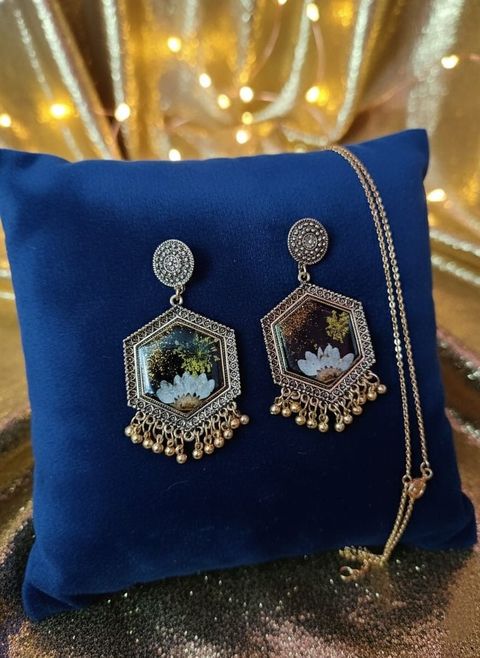
Explore Resin Earrings: A Complete Guide to Designs, Styles, and Trends
Updated: October 28, 2026
Read More