Explore Underwater Hotels: A Complete Guide to Features, Designs, and Experiences
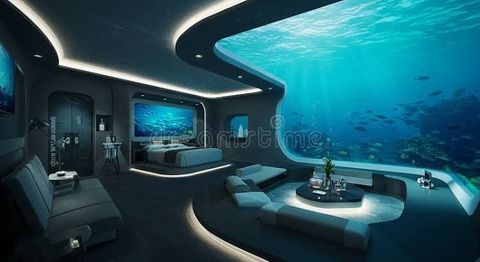
An underwater hotel is a type of accommodation designed to provide guests with views of the underwater environment, including marine animals, coral formations, and ocean landscapes. These properties use specialized architectural designs, structural materials, and engineering systems to create spaces beneath or partially below the water's surface.
The concept of underwater hospitality developed from the growing interest in marine tourism, innovative architecture, and distinctive travel experiences. Traditional hotels provide views of beaches, mountains, cities, or gardens, while underwater accommodation introduces a different perspective by allowing visitors to observe marine environments from enclosed spaces.
Not every property described as an underwater hotel is completely submerged. Some resorts have underwater bedrooms or suites, while others feature underwater restaurants, observation lounges, or glass-walled facilities.
One recognized example is The Muraka Its underwater bedroom is located beneath the Indian Ocean and provides panoramic views of the surrounding marine environment. It is an underwater residence within a larger resort rather than an entirely submerged hotel.
Different Types of Underwater Accommodation
Underwater hospitality can include several architectural arrangements.
Fully submerged accommodation: Living spaces are positioned below the water surface and enclosed within specially engineered structures.
Partially submerged villas: Some rooms are underwater, while other sections remain above the surface.
Underwater bedroom suites: These accommodations feature large viewing windows that allow guests to observe marine life.
Underwater restaurants: Dining spaces are positioned below the water and designed around ocean views.
Marine observation facilities: Enclosed spaces allow visitors to observe underwater habitats without entering the water.
The design depends on the depth, surrounding marine conditions, structural requirements, and intended use of the property.
Important Features of Luxury Underwater Hotels
Luxury underwater hotels combine hospitality facilities with specialized engineering. Their features are designed to provide comfortable accommodation while maintaining a protected environment beneath the water.
Panoramic underwater windows
Large transparent viewing panels are among the most recognizable features of underwater accommodation. They allow guests to observe fish, coral formations, and other marine organisms.
These windows require carefully engineered materials and installation systems. Their structural performance must account for water pressure, impact resistance, visibility, and long-term maintenance.
Specialized lighting systems
Natural sunlight becomes limited as water depth increases. Underwater rooms therefore require carefully planned lighting systems to maintain visibility and comfortable indoor conditions.
Lighting designs may include:
Adjustable interior illumination.
Low-glare lighting near viewing panels.
Energy-efficient LED systems.
Emergency lighting arrangements.
Lighting controls that consider surrounding marine life.
Climate control and ventilation
Underwater accommodation requires reliable temperature regulation, air circulation, humidity management, and indoor air-quality monitoring.
These systems help maintain a comfortable indoor environment despite changing temperatures and humidity levels outside the structure.
Safety and structural engineering
Safety is a central consideration in underwater architecture. Structures must be designed to withstand water pressure and other environmental forces appropriate to their location and depth.
Important engineering considerations include:
Pressure-resistant structural components.
Waterproof connections and sealed openings.
Emergency power arrangements.
Fire detection and suppression systems.
Emergency communication systems.
Clearly defined evacuation procedures.
Regular inspections and maintenance are important for monitoring structural performance and identifying potential problems.
Underwater Hotel Design and Construction
Designing an underwater hotel requires cooperation among architects, marine engineers, structural specialists, environmental researchers, and hospitality professionals.
Unlike conventional buildings, underwater structures must respond to the surrounding aquatic environment throughout their operational life.
Architectural planning
The first stage involves identifying a suitable location and examining its water depth, seabed conditions, marine biodiversity, currents, and exposure to storms.
Design teams also consider how visitors will access the accommodation, how emergency arrangements will operate, and how maintenance activities will be performed.
Construction materials
Materials used in underwater construction must be suitable for prolonged exposure to seawater. Saltwater can cause corrosion, while pressure and changing environmental conditions can affect structural components.
Common material categories include:
Marine-grade stainless steel.
Reinforced concrete.
Specialized transparent acrylic panels.
Corrosion-resistant structural components.
Marine-compatible waterproofing systems.
The specific material selection depends on the engineering design, water depth, and environmental conditions.
Underwater construction techniques
Some underwater accommodation structures are manufactured in controlled facilities and transported to their intended locations. Other components may be installed through specialized marine construction methods.
Installation requires careful planning to limit seabed disturbance and protect nearby marine habitats.
Access and supporting infrastructure
Underwater rooms require connections to surface-level facilities or other supporting structures. These may include access passages, utility connections, ventilation systems, emergency equipment, and maintenance access.
The overall design must consider both the submerged accommodation and the infrastructure that supports it.
Why Underwater Hotels Matter in Modern Tourism
Underwater hotels represent a specialized part of the hospitality and marine tourism industry. They combine architecture, engineering, environmental observation, and accommodation to create experiences that differ from conventional resorts.
A different approach to marine tourism
Underwater accommodation allows visitors to observe marine environments from protected indoor spaces. This can introduce people to underwater ecosystems without requiring them to participate in diving or snorkeling activities.
It can also encourage interest in marine biodiversity, ocean conservation, and the importance of healthy coral reef systems.
Interest in luxury honeymoon resorts
Luxury honeymoon resorts often focus on privacy, distinctive surroundings, and memorable accommodation. Underwater suites introduce an additional architectural feature through panoramic ocean views and opportunities to observe marine life.
However, the availability of underwater facilities varies considerably between destinations. Some properties provide underwater bedrooms, while others have only underwater dining or observation areas.
Architectural and technological development
Underwater hospitality encourages the development of specialized engineering approaches, including:
Advanced transparent structural materials.
Marine construction and installation techniques.
Pressure-resistant building systems.
Energy-efficient ventilation and lighting.
Remote monitoring and safety technologies.
Environmental monitoring around marine structures.
Some of these technologies also have applications in marine research facilities, underwater observation centers, and ocean infrastructure.
Environmental considerations
Marine tourism can create environmental pressures through construction, boat activity, wastewater, lighting, and visitor movement.
Responsible underwater resort development should consider coral reef protection, marine biodiversity, waste management, energy consumption, and water quality.
Environmental assessments and long-term monitoring can help identify potential impacts and support better planning.
Recent Developments in Underwater Hospitality and Marine Tourism
During 2025 and 2026, developments in the Maldives tourism industry have highlighted the growing connection between luxury hospitality, marine experiences, and ocean conservation.
March–April 2025: Underwater restaurant construction
In 2025, the underwater restaurant project at Meyyafushi entered its submersion phase. According to the project's construction record, this phase began on 9 March 2025 and was completed on 30 April 2025. It demonstrates the continued use of specialized underwater construction techniques in Maldivian hospitality.December 2025: Changes to the Maldives Tourism Act
On 6 December 2025, the President of the Maldives ratified the 16th Amendment to the Tourism Act. The amendment addressed tourism development areas, Tourism Training Resorts, construction-period extensions, and lagoon boundaries for islands leased for tourism development.May 2026: Coral restoration and underwater tourism
On 14 May 2026, a coral restoration activity took place at the Dhoonier Wreck site near Kudagiri Island as part of the Asia Media Summit. The initiative involved transforming submerged aircraft into an underwater reef structure supported by coral restoration activities.
This development illustrates how underwater attractions can be connected with marine conservation initiatives. However, artificial reef projects require appropriate ecological planning and monitoring. June 2026: Wreck-to-reef marine experience
On 22 June 2026, Visit Maldives Corporation reported on the Wreck to Reef initiative at Siyam World Maldives. A former Maldivian tuna vessel was placed underwater near Noonu Atoll as the foundation for a developing marine habitat and diving attraction. Emerging trends in underwater hospitality
Current areas of interest include:
Greater use of marine-inspired architectural designs.
Improved transparent materials and structural monitoring.
Integration of underwater dining and observation spaces.
Greater attention to coral reef protection.
Energy-efficient lighting and climate-control systems.
Marine education as part of resort experiences.
These developments indicate that underwater hospitality is evolving alongside broader changes in marine tourism and environmental management.
Laws, Policies, and Environmental Regulations in the Maldives
The Maldives is an important destination for underwater hospitality because of its coral reefs, lagoons, and island-based tourism infrastructure. However, constructing accommodation beneath the sea involves environmental and regulatory considerations.
Maldives Tourism Act
The Maldives Tourism Act, Law No. 2/99, provides the main legislative framework for tourism development and the regulation of tourism establishments.
Developments involving tourist resorts, hotels, and other tourism facilities must follow applicable registration, development, and operational requirements.
Environment Protection and Preservation Act, 1993
The Environment Protection and Preservation Act (Law No. 4/93) provides a framework for environmental protection in the Maldives.
It is relevant to marine construction because development activities can affect coral reefs, coastal ecosystems, seabed conditions, and water quality.
Environmental Impact Assessment Regulations
The Maldives has an Environmental Impact Assessment (EIA) framework for evaluating the potential environmental consequences of development projects.
Depending on the project and applicable screening requirements, assessments may examine:
Coral reef and marine habitat conditions.
Seabed disturbance and sediment movement.
Coastal and lagoon modifications.
Wastewater and waste management.
Construction-related environmental impacts.
Effects on marine biodiversity.
On 9 March 2026, an amendment to the environmental impact reporting regulations revised the categories of development activities requiring an EIA report. Certain supporting components of tourist resort and hotel developments were included among activities that may proceed without a separate EIA report. Project-specific requirements should therefore be checked with the relevant authority. Tourism environmental protection regulations
The Ministry of Tourism also publishes regulations concerning environmental protection and conservation in the tourism industry. These address areas such as vegetation clearance, coastal modifications, resort development, and waste management.
These requirements are important because marine construction should be planned around environmental protection, public safety, and long-term ecosystem conditions.
Tools and Resources for Understanding Underwater Hotels
Several online resources help readers explore underwater architecture, marine tourism, ocean ecosystems, and resort development.
Useful websites and educational resources
Visit Maldives: provides information about Maldivian destinations, resorts, and marine experiences.
Maldives Ministry of Tourism: provides tourism regulations, industry information, and official updates.
Environmental Regulatory Authority: provides environmental regulations and assessment information.
National Oceanic and Atmospheric Administration: provides educational information about marine ecosystems and ocean environments.
Coral Reef Watch: provides information and monitoring resources related to coral reef conditions.
Important considerations when researching underwater accommodation
Check whether a property has actual submerged bedrooms or only underwater restaurants.
Review architectural descriptions and available structural information.
Understand the environmental conditions surrounding the property.
Examine safety arrangements and accessibility information.
Consider the ecological impact of marine construction.
Frequently Asked Questions
What is an underwater hotel?
An underwater hotel is an accommodation facility with rooms or guest spaces located beneath the water's surface. It generally uses specialized structures and transparent viewing panels to provide views of the surrounding marine environment.
Are underwater hotels available in the Maldives?
Yes. The Maldives has underwater hospitality facilities, including The Muraka at Conrad Maldives Rangali Island, which features a submerged bedroom. Other properties have underwater restaurants and marine observation facilities.
How are underwater hotel rooms protected from water pressure?
They use specially engineered structures, pressure-resistant materials, sealed connections, and transparent panels designed for specific underwater conditions. Regular inspections and maintenance are important for structural safety.
Are underwater luxury hotels environmentally sustainable?
Their environmental impact depends on construction methods, energy use, wastewater management, location, and marine protection measures. Underwater accommodation is not automatically environmentally sustainable.
Why are underwater hotels popular for luxury honeymoon resorts?
They provide distinctive architectural surroundings, panoramic marine views, privacy, and opportunities to observe underwater wildlife. The experience varies according to the property's design and available facilities.
Conclusion
Underwater hotels represent an interesting combination of modern architecture, marine engineering, and luxury hospitality. Their distinctive designs allow visitors to experience underwater environments through submerged bedrooms, observation spaces, and underwater dining facilities.
The Maldives demonstrates how marine tourism can incorporate specialized accommodation and ocean-related experiences. At the same time, underwater development requires careful attention to structural safety, environmental assessments, coral reef conservation, and responsible resource management.
Understanding underwater hotel features, construction methods, tourism regulations, and environmental considerations provides a clearer picture of this developing hospitality concept. As marine architecture continues to evolve, balancing visitor experiences with ocean protection will remain an important part of responsible underwater tourism.

Related Post...
Explore Underwater Hotels: A Complete Guide to Features, Designs, and Experiences
Updated: October 30, 2026
Read More
Explore Quick Trip Planning Techniques: A Guide to Essential Tips and Practical Advice
Updated: October 23, 2026
Read More
Explore Green Transportation: A Complete Guide to Sustainable Travel and Eco-Friendly Mobility
Updated: October 26, 2026
Read More