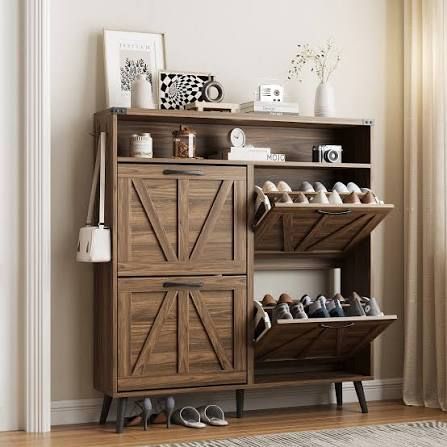
Footwear Storage Furniture Tips: Helpful Insights and Practical Advice
Footwear storage furniture includes cabinets, racks, benches, shelves, and built-in units designed to keep shoes organized and accessible. These furniture pieces help households manage everyday footwear while maintaining a tidy entrance, hallway, bedroom, or wardrobe area.
Shoes come in different shapes and sizes, including sandals, sneakers, formal footwear, boots, and seasonal shoes. Without an organized storage arrangement, footwear can occupy walking space, collect dust, and become difficult to locate. Suitable storage furniture provides a designated place for different types of shoes and helps make better use of available space.
The right arrangement depends on household size, the number of shoes, available floor area, ventilation, and interior design preferences. A compact shoe rack may be suitable for a small apartment, while a larger household may need several shelves or a dedicated cabinet.
Common Types of Shoe Storage Furniture
Different furniture styles address different storage requirements. Understanding their features helps households choose a practical arrangement.
Custom shoe storage cabinets
Custom shoe storage cabinets are planned around specific room dimensions, footwear collections, and household routines. They may include adjustable shelves, separate compartments, doors, or drawers.
These cabinets can be useful in homes with unusual layouts or limited storage space. Their dimensions should account for the size of the footwear and enough clearance to open doors or drawers comfortably.
Built-in shoe storage furniture
Built-in shoe storage furniture is integrated into a wall, wardrobe, or entryway structure. It can make use of otherwise unused areas and create a consistent interior appearance.
Planning is important because built-in units may be difficult to reposition after installation. Measurements should account for skirting boards, door swings, ventilation, and access to electrical panels or other utilities.
Entryway storage furniture
Entryway storage furniture is placed near the main entrance to keep frequently used shoes within easy reach. It may combine shoe shelves, a small cabinet, hooks, or a seating area.
An organized entryway can reduce clutter around the entrance and help keep footwear separate from other household items.
Wooden shoe storage cabinets
A wooden shoe storage cabinet can complement traditional or contemporary interiors. Furniture may be made from solid wood, plywood, engineered wood, or other wood-based materials.
Different materials vary in strength, moisture resistance, appearance, and maintenance requirements. The suitability of a wooden cabinet depends on construction quality, finish, expected use, and the moisture conditions of the room.
Shoe cabinets with doors
A shoe cabinet with doors keeps footwear less visible and can reduce direct exposure to household dust. Depending on its design, it may use hinged doors, sliding doors, or tilting compartments.
The internal space should be large enough for the footwear stored inside. Ventilation is also important because damp shoes kept in enclosed spaces can develop unpleasant odors or encourage mold growth.
Shoe storage benches with drawers
A shoe storage bench with drawers combines seating with footwear storage. It can be useful in entryways where people need a convenient place to sit while putting on or removing shoes.
The bench should be designed for the intended load and placed on a stable surface. Drawers should open without obstructing walkways, and seating should not block the main entrance.
Modern shoe cabinet designs
Modern shoe cabinet designs often emphasize simple shapes, compact dimensions, neutral finishes, and efficient internal layouts. Some designs include adjustable shelves, concealed compartments, or combinations of open and closed storage.
The most practical design is one that balances appearance with accessibility, ventilation, durability, and available room space.
Why Footwear Storage Matters in Modern Homes
Footwear storage furniture can improve everyday organization by giving shoes a designated place. This is especially useful in households with limited entryway space, multiple family members, or frequent visitors.
Several common problems can be addressed through thoughtful storage planning:
Cluttered entrances: Organized shelves keep shoes away from main walking paths.
Limited floor space: Vertical cabinets make use of wall height instead of spreading footwear across the floor.
Difficult access: Grouping everyday shoes separately from occasional footwear reduces searching.
Dust accumulation: Closed cabinets can limit direct exposure to dust, although they still require regular cleaning.
Moisture and odors: Ventilated storage and proper drying practices help prevent damp conditions.
Mixed household needs: Separate shelves or compartments can organize footwear by person, type, or frequency of use.
Families, apartment residents, students, and people managing compact living spaces may find these arrangements particularly helpful. Accessibility should also be considered for children, older adults, and anyone who needs easier access to frequently used footwear.
Practical Tips for Choosing and Arranging Shoe Cabinets
Before selecting shoe rack cabinet furniture, evaluate how the space will be used and how much footwear needs to be stored.
Measure the available area
Measure the width, depth, and height of the intended location. Check door openings, hallway clearance, skirting boards, and nearby furniture. A cabinet should not prevent doors from opening or narrow an important walking route.
Estimate storage capacity
Count the shoes that need regular storage and allow some room for seasonal changes. Storage capacity depends on shoe size, shelf spacing, cabinet depth, and whether footwear is stored in pairs or separate compartments.
Choose suitable materials
Different materials have different maintenance needs.
| Material | Common characteristics | Practical consideration |
|---|---|---|
| Solid wood | Natural appearance and varied grain patterns | Protect from prolonged moisture and direct heat |
| Plywood | Layered construction with varying finishes | Edge sealing and construction quality matter |
| Engineered wood | Consistent panels and varied surface finishes | Moisture resistance depends on panel type and finish |
| Metal | Rigid construction and generally easy-to-clean surfaces | Check for corrosion protection in humid environments |
| Plastic | Lightweight and easy to wipe | Check stability, load limits, and material durability |
Consider ventilation
Allow wet footwear to dry before placing it in an enclosed shoe cabinet. Open shelves, ventilation openings, and periodic airing can improve airflow. Avoid storing damp shoes in tightly closed compartments for extended periods.
Organize by frequency of use
Keep everyday footwear on accessible shelves and move occasional or seasonal shoes to higher or less accessible compartments. Labels or separate sections can help household members maintain the arrangement.
Prioritize stability and safe use
Tall cabinets should be stable and secured according to the manufacturer's instructions where required. Heavy items should generally be stored lower down, and furniture should not obstruct exits or emergency access routes.
Recent Trends in Footwear Storage Furniture
Footwear storage furniture continues to reflect broader changes in home organization, compact living, and furniture design. During 2025 and 2026, modular furniture, multi-purpose storage, and practical space planning remained important themes in India's home-furnishing sector.
Important design trends include:
Multifunctional furniture: Benches with shoe compartments combine seating and storage in one unit.
Modular storage: Adjustable shelves and configurable sections allow storage layouts to change with household needs.
Compact designs: Slim cabinets and vertical racks can make better use of narrow entryways.
Integrated furniture: Built-in shoe storage is increasingly considered alongside wardrobes and other interior storage.
Digital room planning: Some furniture-planning tools provide three-dimensional layouts or augmented-reality previews to help visualize furniture placement.
These are general design trends rather than requirements for every household. A practical choice depends on available space, footwear type, household routines, and maintenance needs.
Laws, Safety Standards, and Furniture Policies in India
Footwear storage furniture is generally considered household furniture, but relevant product standards and building requirements may apply depending on the product and its intended use.
Furniture Quality Control Order, 2025
On 13 February 2025, India's Department for Promotion of Industry and Internal Trade issued the Furniture (Quality Control) Order, 2025. The order includes specified furniture categories, such as storage units, under applicable Indian Standards. The relevant standard for storage units is IS 17634:2022.
The government subsequently issued an amendment on 12 February 2026. Implementation dates, exemptions, and product coverage should be checked against the latest official notifications.
For a shoe cabinet or related storage unit, the practical considerations include:
Structural stability and resistance to tipping.
Shelf strength and appropriate load capacity.
Durability of doors, hinges, and drawers.
Safe edges, fittings, and moving components.
Compliance with applicable standards where required.
Bureau of Indian Standards resources
The Bureau of Indian Standards (BIS) provides information about Indian Standards and product certification. Its Know Your Standard portal helps users locate relevant standards and associated documents.
Consumers should not assume that every individual shoe rack is subject to identical certification requirements. Applicability depends on the product classification, the current Quality Control Order, and any applicable exemptions.
Building and residential safety
When planning built-in shoe storage furniture, avoid blocking doors, corridors, electrical panels, or emergency exits. For installations involving walls, electrical fittings, or shared building areas, follow applicable building rules and property-management requirements.
Tools and Resources for Footwear Storage Planning
Simple planning tools can help households determine cabinet dimensions, compare layouts, and maintain organized storage.
Useful resources
IKEA: Explore examples of shoe cabinets, shelving, and entryway organization to understand different storage configurations.
SketchUp: Create room layouts and basic three-dimensional furniture plans.
Floorplanner: Visualize room dimensions and experiment with furniture placement.
Bureau of Indian Standards: Check applicable Indian Standards and furniture-related regulatory information.
Room measurement templates: Record the available width, depth, and height before planning a cabinet.
Household inventory lists: Track the number and type of shoes requiring regular storage.
A basic planning worksheet can include the following information:
| Planning detail | What to record |
|---|---|
| Available space | Width, depth, and height |
| Footwear collection | Number and types of shoes |
| Storage arrangement | Open shelves, doors, drawers, or bench |
| Material preference | Wood, engineered wood, metal, or plastic |
| Maintenance needs | Cleaning, ventilation, and moisture protection |
| Safety requirements | Stability, load limits, and walking clearance |
These details help create a realistic storage plan before furniture is installed.
Frequently Asked Questions
What is the best type of footwear storage furniture for a small entryway?
A slim shoe cabinet, vertical shoe rack, or compact shoe storage bench may suit a small entryway. Measure the available space and ensure that the furniture does not obstruct the entrance or walking path.
Are wooden shoe storage cabinets suitable for everyday use?
Yes, wooden and wood-based cabinets can be suitable for everyday storage when properly constructed and maintained. Their durability depends on the material, finish, construction quality, load, and exposure to moisture.
What are the benefits of a shoe cabinet with doors?
A shoe cabinet with doors keeps footwear less visible and can reduce direct dust exposure. However, shoes should be dry before storage, and the cabinet should receive adequate ventilation to help prevent trapped moisture and odors.
How can a shoe storage bench with drawers improve organization?
It combines seating with enclosed storage, helping keep footwear organized near the entrance. The bench should be stable, appropriately rated for its intended load, and positioned so that drawers do not obstruct movement.
How often should footwear storage furniture be cleaned?
The frequency depends on household use, dust, humidity, and footwear condition. Regularly remove dust, clean shelves, check for moisture, and allow damp shoes to dry before returning them to enclosed storage.
Conclusion
Footwear storage furniture can make everyday home organization easier by creating designated spaces for different types of shoes. Custom shoe storage cabinets, built-in shoe storage furniture, wooden shoe cabinets, and multifunctional benches each offer different advantages depending on room dimensions and household requirements.
The most useful arrangement balances storage capacity, accessibility, ventilation, durability, and safe placement. Measuring the available area, organizing footwear by frequency of use, and selecting suitable materials can help maintain a practical and orderly entryway.
By combining thoughtful furniture planning with regular cleaning and safe storage practices, households can make better use of available space while maintaining a comfortable and organized home environment.

Related Post...

Explore Art Gallery Display Pedestals: A Complete Guide to Types, Designs, and Uses
Updated: October 23, 2026
Read More
Explore Glass-Top Bedroom Nightstands: A Complete Guide to Styles, Features, and Essential Details
Updated: October 23, 2026
Read More
Discover Handmade Wooden Entry Chest Units: Helpful Tips, Practical Advice, and Essential Details.
Updated: October 19, 2026
Read More