Learn About Biscuit Making Machines: Tips, Knowledge, and Helpful Resources
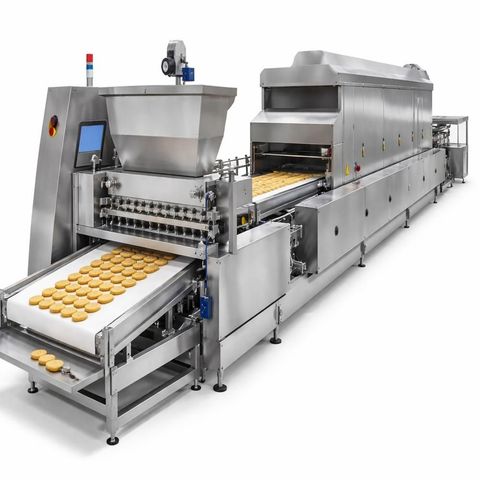
Biscuit making machines are food-processing systems designed to prepare, shape, bake, cool, and package biscuits in a controlled production environment. Depending on the scale and type of biscuit, a production setup may include a biscuit dough mixer, biscuit forming machine, rotary moulder, biscuit cutting machine, industrial biscuit oven, cooling system, and packaging equipment.
Modern biscuit production combines mechanical processing, temperature control, food safety practices, and quality monitoring. Understanding how these machines work can help readers understand the different stages involved in producing biscuits and why particular equipment is used for specific recipes and production requirements.
What Are Biscuit Making Machines?
A biscuit making machine is equipment used to automate one or more stages of biscuit production. Some machines perform a single task, while an automatic biscuit production line can connect several stages into one continuous process.
The basic production sequence generally includes:
Ingredient preparation and weighing
Dough mixing and kneading
Dough forming or sheeting
Biscuit cutting or moulding
Baking
Cooling
Inspection and quality checks
Packaging
A biscuit manufacturing machine can therefore refer to individual equipment or a larger integrated system. The exact arrangement depends on the biscuit type, recipe, production volume, and desired shape.
Main Types of Biscuit Production Equipment
Different stages require different types of machinery. Common equipment includes:
| Equipment | Main Function |
|---|---|
| Biscuit Dough Mixer | Combines flour, fats, sugar, liquids, and other ingredients |
| Biscuit Forming Machine | Shapes prepared dough into specific forms |
| Biscuit Cutting Machine | Cuts sheeted dough into selected shapes |
| Biscuit Rotary Moulder | Forms biscuits using a moulding drum |
| Biscuit Oven Machine | Bakes shaped dough under controlled heat |
| Industrial Biscuit Oven | Provides continuous baking for larger production systems |
| Biscuit Cooling Machine | Reduces biscuit temperature before later processing |
| Biscuit Packaging Machine | Places finished biscuits into suitable packaging |
The choice between individual machines and a complete biscuit production line depends on the manufacturing process and level of automation required.
How a Biscuit Production Line Works
A typical biscuit production line follows a sequence in which each stage prepares the product for the next one.
First, ingredients are measured according to the selected formulation. A biscuit dough mixer then combines the ingredients to produce dough with the required consistency.
The dough may be passed through rollers or other forming equipment. Depending on the biscuit type, a biscuit cutting machine or biscuit rotary moulder creates the desired shape.
The shaped dough then enters a biscuit baking machine or industrial biscuit oven. Baking controls important characteristics such as colour, texture, moisture, and structure.
After baking, biscuits need sufficient cooling before packaging. A biscuit cooling machine or conveyor-based cooling arrangement helps bring the product closer to the appropriate handling temperature.
The final stage may involve inspection and packaging. Automation can connect these processes and reduce the amount of manual movement between stages.
Why Biscuit Manufacturing Equipment Matters
Biscuit manufacturing equipment matters because consistent processing is important for food quality and production control. Small differences in mixing, shaping, temperature, baking time, or cooling can affect the final product.
For example, baking conditions influence:
Biscuit colour
Crispness and texture
Moisture level
Shape retention
Flavour development
Overall product consistency
Automation can also help monitor repeated production parameters. In larger facilities, sensors and control systems may be used to monitor temperature, conveyor movement, timing, and other operating conditions.
The topic is relevant to food manufacturers, food-processing students, engineers, quality professionals, equipment technicians, and researchers studying bakery technology.
Important Factors in Biscuit Machine Selection
A biscuit production system should be evaluated according to the characteristics of the intended process rather than simply the number of machines involved.
Important considerations include:
Type of biscuit being produced
Dough characteristics
Required biscuit shape
Baking method
Production capacity
Degree of automation
Temperature-control requirements
Hygiene and cleaning arrangements
Product-contact materials
Space available for equipment
Packaging format
Different biscuits can require different forming and baking approaches. For example, rotary moulding is commonly associated with certain dough types, while sheet-and-cut systems are used for other formulations.
Recent Developments in Biscuit Production Technology
Food-processing technology has increasingly focused on automation, energy efficiency, traceability, and process monitoring. The Ministry of Food Processing Industries' 2025–26 annual report describes continuing developments in food processing, including greater use of automation, energy-efficient processing, blockchain-based traceability, and AI-supported quality control.
A Ministry of Food Processing Industries assessment published in 2026 also describes the biscuit production process in terms of mixing, kneading, forming, baking, cooling, and packaging, highlighting the role of dedicated equipment at each stage.
Another important development is greater attention to process data. Digital monitoring systems can record production parameters and help identify variations in temperature, timing, and equipment performance.
Energy management is also becoming increasingly relevant. Baking is one of the most energy-intensive stages in biscuit production, so improved oven insulation, heat management, process controls, and efficient operating practices can influence overall energy use.
Food Safety and Regulatory Requirements in India
In India, biscuit production is governed by food-safety requirements administered by the Food Safety and Standards Authority of India (FSSAI). The Food Safety and Standards Rules, 2011 establish procedures related to licensing and registration of food businesses and other food-safety responsibilities.
FSSAI's product standards include provisions relevant to biscuits under the cereals and cereal products category. The regulatory framework covers food standards, additives, contaminants, packaging, labelling, and related requirements.
Food businesses also need to follow appropriate hygiene and sanitation practices. FSSAI states that licensed food businesses involved in manufacturing, processing, packaging, storage, or distribution must implement an effective Food Safety Management System and follow applicable hygiene requirements under Schedule 4.
There have also been recent regulatory updates. FSSAI's official amendment record shows amendments to the Food Safety and Standards (Licensing and Registration of Food Businesses) Regulations in March 2026 and June 2026.
For technical standards, the Bureau of Indian Standards provides access to Indian Standards and related documents through its Know Your Standard platform. BIS records also identify IS 1011 as the Indian Standard associated with biscuits.
Because regulations can change, manufacturers and technical professionals should consult the latest official notifications and standards before making compliance decisions.
Tools and Resources for Learning
Several official and technical resources can help readers understand biscuit processing and food manufacturing.
Useful resources include:
FSSAI Food Products Standards: Information on food standards, additives, contaminants, packaging, and labelling.
FSSAI Food Safety Regulations: A central reference for applicable food-safety regulations and amendments.
FSSAI Food-O-Copoeia: Category-based information covering standards, labelling, packaging, testing methods, and related requirements.
BIS Know Your Standard: A resource for searching Indian Standards by product name or IS number.
Ministry of Food Processing Industries: Reports and publications covering food-processing technologies, sector developments, and processing infrastructure.
For technical study, process-flow diagrams, equipment manuals, maintenance records, quality-control checklists, temperature logs, and sanitation checklists can also help organize information about biscuit production.
Frequently Asked Questions
What is a biscuit making machine?
A biscuit making machine is equipment designed to perform one or more stages of biscuit production, such as dough mixing, forming, cutting, baking, cooling, or packaging.
What machines are commonly used in biscuit production?
Common equipment includes biscuit dough mixers, forming machines, rotary moulders, cutting machines, biscuit ovens, cooling systems, and packaging machines. Larger facilities may integrate these into an automatic biscuit production line.
What is the purpose of a biscuit rotary moulder?
A biscuit rotary moulder forms dough into specific biscuit shapes using a moulding mechanism. It is used for suitable dough formulations and product designs.
Why is cooling necessary after baking?
Cooling allows baked biscuits to move toward an appropriate temperature for handling and packaging. It also helps stabilize the product's texture before subsequent processing.
What regulations affect biscuit manufacturing in India?
Biscuit manufacturing is subject to applicable FSSAI requirements covering food safety, standards, hygiene, packaging, labelling, and licensing or registration. Relevant Indian Standards may also apply depending on the product and regulatory circumstances.
Conclusion
Biscuit making machines form an interconnected part of modern food-processing systems. Equipment such as dough mixers, forming machines, rotary moulders, cutting machines, industrial biscuit ovens, cooling systems, and packaging equipment each contributes to a particular stage of production.
Understanding these machines requires more than looking at individual equipment. The complete process involves ingredient preparation, dough development, forming, baking, cooling, quality control, hygiene, and packaging.
Recent developments in automation, energy efficiency, digital monitoring, traceability, and AI-assisted quality control are influencing food-processing technology. At the same time, compliance with food-safety regulations and applicable technical standards remains an important part of biscuit manufacturing in India.
For anyone studying biscuit production technology, the most useful approach is to understand how each machine fits into the complete process and how equipment operation connects with food safety, quality, efficiency, and regulatory requirements.

Related Post...
Explore Overlock Machines: An Informative Guide to Functions, Uses, and Details
Updated: November 13, 2026
Read More
Understanding Ice Cream Making Machines: Essential Facts, Features, and Applications
Updated: November 16, 2026
Read More
Explore Metal Forming Machinery: A Complete Guide to Technology, Type, and Application
Updated: November 04, 2026
Read More