Learn About Canopy Bed Styles: Tips, Knowledge, and Helpful Resources
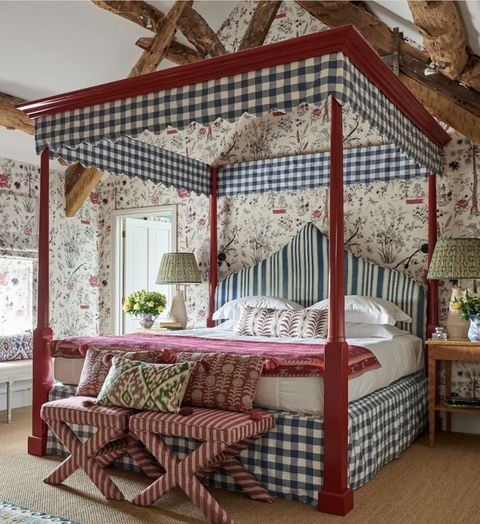
A canopy bed is a bed design that includes an elevated framework around or above the sleeping area. Traditional versions commonly use four vertical posts connected by horizontal rails, while contemporary designs may have simpler geometric frames or partial canopy structures. Some styles include fabric panels, curtains, or decorative textiles, while others leave the frame open.
The basic idea behind a canopy bed is to create a defined visual area around the bed. Historically, fabric surrounding the bed could provide warmth, privacy, and protection from drafts. Modern canopy beds are primarily associated with bedroom design, spatial definition, and decorative character.
Several variations are available in terms of construction and appearance. A canopy bed frame may be made from wood, metal, or a combination of materials. A canopy bed frame queen generally follows the dimensions required for a queen mattress while adding the height and structure associated with the canopy design.
A canopy bed set may coordinate the frame with elements such as a headboard, canopy fabric, or matching bedroom components. The exact contents of a set can differ, so specifications should always be checked individually.
Why Canopy Beds Matter in Bedroom Design
Canopy beds can influence both the appearance and organization of a bedroom. Because their frames extend vertically, they naturally draw attention upward and can become a central architectural feature.
This can be useful when a bedroom needs a clear focal point. Instead of relying entirely on wall decoration, artwork, or a large headboard, the bed itself can define the visual character of the room.
Canopy beds may also help separate the sleeping area visually from the rest of a larger bedroom. In open layouts, the frame can create a subtle sense of enclosure without requiring a permanent partition.
Important considerations include:
- Room dimensions: Tall frames can feel visually dominant in smaller bedrooms.
- Ceiling height: The overall height of the frame should work with the available ceiling space.
- Mattress dimensions: The frame should correspond to the mattress size and required clearances.
- Material: Wood and metal create different visual and structural characteristics.
- Fabric: Curtains or panels can significantly change the appearance and maintenance requirements.
- Accessibility: The surrounding space should allow comfortable movement around the bed.
A luxury canopy bed frame does not necessarily need elaborate decoration. A carefully proportioned frame, quality construction, suitable materials, and coordinated textiles can create a refined appearance without excessive ornamentation.
Common Canopy Bed Materials and Styles
The material used for a canopy bed affects its appearance, maintenance, weight, and overall construction.
| Canopy Bed Type | Typical Characteristics | Suitable Design Direction |
|---|---|---|
| Wooden canopy bed | Warm appearance, visible grain, traditional or contemporary forms | Classic, natural, transitional |
| Metal canopy bed frame | Clean lines, structured appearance, often visually lighter | Modern, minimalist, industrial |
| Upholstered canopy | Fabric-covered sections or headboard elements | Soft, contemporary, decorative |
| Four-poster canopy | Four upright posts connected by upper rails | Traditional or modern |
| Partial canopy | Canopy structure concentrated around the head area | Compact and decorative |
| Draped canopy | Frame combined with fabric panels | Layered, classic, cozy |
A wooden canopy bed can introduce natural texture and a sense of warmth. Different wood finishes can shift the appearance from traditional to contemporary.
A metal canopy bed frame generally provides a more linear appearance. Depending on the finish and geometry, it can work with minimalist, industrial, contemporary, or transitional interiors.
The best choice depends on the room's proportions, existing furniture, maintenance requirements, and preferred design language rather than on one material being universally better.
Choosing a Canopy Bed Frame
Selecting a canopy frame requires more than considering its appearance. The dimensions and construction should work with the mattress, bedroom layout, and intended use.
For a queen-size configuration, the frame should be compatible with the dimensions specified for the mattress. It is also important to check the internal sleeping surface rather than assuming that every frame marketed as queen size has identical external dimensions.
Before selecting a frame, consider:
- Mattress size and thickness
- Overall frame dimensions
- Ceiling height
- Clearance around doors and windows
- Position of ceiling fans or lighting
- Headboard height
- Curtain or fabric requirements
- Frame stability
- Weight capacity specified by the manufacturer
- Assembly and maintenance requirements
A canopy structure can occupy more visual space than a conventional low-profile bed. Therefore, measuring the room before selecting a design can help prevent problems with circulation and proportions.
Recent Canopy Bed Trends
Canopy beds have received renewed attention in bedroom design during 2026. Recent interior-design coverage describes a shift away from heavily decorated traditional versions toward cleaner silhouettes, lighter fabrics, and more contemporary interpretations.
Warm neutral colors, natural-looking materials, layered textures, and more personalized bedrooms have also been highlighted as 2026 design directions. Canopy frames are increasingly being used as architectural focal points rather than simply as structures for heavy curtains.
Another noticeable development is the renewed interest in half-tester and partial canopy designs. These versions concentrate the structure around the head of the bed and can provide some of the visual character of a canopy without requiring a full four-post frame.
Modern interpretations also increasingly use open frames, streamlined profiles, sheer textiles, linen-like materials, and less ornate detailing. This allows canopy beds to work with contemporary interiors as well as traditional bedroom schemes.
These are design trends rather than universal requirements. A canopy bed should still be selected according to room dimensions, practical needs, and personal preferences.
Laws, Standards, and Safety Considerations in India
In India, IS 17635:2022 — Beds — Specification provides requirements concerning the performance and safety of adult beds for domestic and non-domestic use. The standard covers completely manufactured or fabricated beds as well as ready-to-assemble units. It includes considerations relating to materials, design, construction, stability, strength, and durability.
The Bureau of Indian Standards has also highlighted requirements such as suitable workmanship, safe accessible edges, stability testing, static testing, durability testing, and impact testing for beds covered by the standard.
For bedroom planning more generally, IS 4963:2024 contains accessibility-related guidance for residential spaces, including recommended clearances around bedroom furniture and considerations such as avoiding sharp edges.
There is not a separate nationwide law specifically governing every decorative feature of a canopy bed. However, applicable product standards and consumer-protection requirements can be relevant depending on how a product is manufactured, represented, advertised, and supplied.
India's consumer-protection framework also addresses misleading advertisements. Official guidance states that advertisements should not falsely describe products or mislead consumers regarding their nature, quality, quantity, or performance.
Helpful Tools and Resources
Several resources can make canopy-bed planning easier:
- Room measurement tools: Smartphone measuring applications or conventional measuring tapes can help record wall lengths, ceiling height, door openings, and furniture clearances.
- Room-planning software: Digital floor-planning tools can help visualize whether a four-poster frame will fit within a bedroom layout.
- Mattress dimension guides: Manufacturer specifications can help verify mattress dimensions before selecting a compatible frame.
- BIS standards: The Bureau of Indian Standards provides information about applicable Indian Standards, including IS 17635:2022 for beds.
- Interior-design references: Design publications can provide examples of canopy arrangements, material combinations, color schemes, and current bedroom trends.
- Maintenance guides: Material-specific care instructions can help preserve wooden finishes, metal surfaces, and textile components.
A useful planning method is to create a simple room diagram showing the bed, doors, windows, wardrobes, bedside furniture, and circulation paths. This makes it easier to assess the practical impact of a tall canopy frame before finalizing a layout.
Frequently Asked Questions
What is a canopy bed?
A canopy bed is a bed with an elevated framework positioned above or around the sleeping area. Traditional versions usually have four posts, while contemporary designs may use simplified or partial structures.
What is a canopy bed frame queen?
A canopy bed frame queen is designed around the dimensions of a queen-size mattress while incorporating an elevated canopy structure. External frame dimensions can vary, so the manufacturer's specifications should be checked.
Is a wooden canopy bed better than a metal canopy bed frame?
Neither material is universally better. Wood generally provides a warmer, more natural appearance, while metal can provide cleaner lines and a more contemporary look. Structural quality and suitability for the room are important considerations for either material.
Are canopy beds suitable for small bedrooms?
They can be, but the frame's height, width, and visual weight need careful consideration. A partial canopy or simpler open-frame design may work better where floor or ceiling space is limited.
Do canopy beds always require curtains?
No. A canopy frame can remain completely open. Fabric panels, curtains, or other textiles are optional design elements rather than an essential part of every canopy bed.
Conclusion
Canopy beds combine a functional sleeping platform with an elevated architectural framework that can influence the character of a bedroom. Traditional four-poster designs remain recognizable, while modern versions increasingly use cleaner lines, lighter materials, and simplified structures.
Choosing between a wooden canopy bed, metal canopy bed frame, partial canopy, or more decorative canopy bed set depends on room dimensions, mattress compatibility, materials, maintenance, and design preferences. Current 2026 interior trends show renewed interest in canopy beds, particularly open, contemporary, and softly layered interpretations.
For Indian households, checking applicable bed standards such as IS 17635:2022 and considering safe room clearances can add an important practical dimension to the selection process. Ultimately, a well-planned canopy bed should balance proportions, structural considerations, comfort, accessibility, and the overall visual character of the bedroom.

Related Post...
Explore Convertible Recline-to-Bed Sofas: A Complete Guide to Designs, Features, and Uses
Updated: November 02, 2026
Read More
Explore Glass-Top Lounge Tables: A Complete Guide to Designs, Features, and Styles
Updated: October 28, 2026
Read More
Explore Convertible Recline-to-Bed Sofas: A Complete Guide to Designs, Feature, and Use
Updated: November 03, 2026
Read More