Learn About Flat Lock Machines: An Informative Overview of Technology, Uses, and Functions
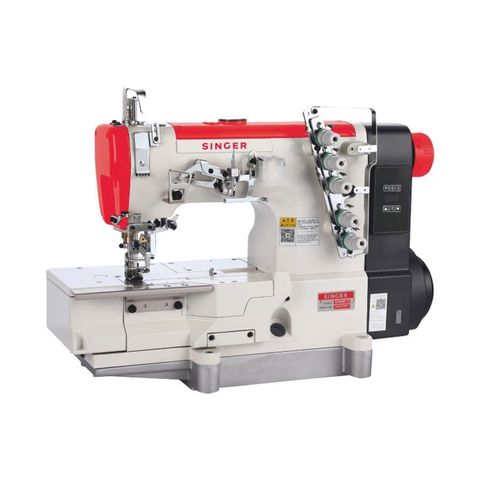
A flat lock machine is a specialized industrial sewing machine designed to create flat, flexible, and comfortable seams in different types of garments. It is commonly used in textile and garment manufacturing, particularly for sportswear, activewear, underwear, swimwear, and clothing made from stretchable fabrics.
Unlike conventional sewing machines that may create raised or bulky seams, flatlock sewing machines produce stitching that lies relatively flat against the fabric. This construction helps reduce seam thickness and can improve comfort when garments are worn close to the skin.
Flatlock sewing machine technology uses multiple needle threads and looper threads to form interconnected stitches. Depending on the machine configuration, the stitching can create a decorative appearance on one side and a covered seam structure on the other.
These machines are available in different configurations, including flatbed and cylinder-bed designs. The appropriate configuration depends on garment shape, fabric characteristics, and the required stitching pattern.
What Is Flatlock Stitch Technology?
Flatlock stitch technology is a sewing method used to join fabric panels while producing a relatively flat seam. It is particularly useful for knitted and elastic materials because the resulting stitch structure can accommodate fabric movement.
Common characteristics include:
Flat seam construction that reduces bulky fabric layers.
Flexible stitching suitable for many stretch garments.
Multiple needle and looper thread arrangements.
Decorative stitching patterns depending on machine setup.
Different configurations for specific garment applications.
Flatlock stitching should not be confused with every type of coverstitch. Different stitch classes have different thread arrangements and purposes, so machine specifications should be checked before selecting a suitable model.
Importance of Flat Lock Machines in the Textile Industry
Industrial sewing machines play an important role in garment manufacturing because they help join fabric components, create finished edges, and produce consistent stitching.
Flat lock machines are particularly useful when garment comfort, flexibility, and seam appearance are important.
1. Improved garment comfort
Flat seams reduce the raised edges that can cause friction against the skin. This makes flatlock construction useful for athletic clothing, cycling garments, leggings, and underwear.
2. Flexible stitching for stretch fabrics
Stretch fabrics require seams that can move with the material. Flatlock stitch technology provides flexibility when the correct thread, needle, tension, and stitch configuration are selected.
This is particularly important in garments that experience repeated stretching during physical activities.
3. Consistent stitching in garment production
An industrial flatlock machine can maintain consistent stitch formation when properly configured and operated. Consistency is important when producing multiple garments with similar construction requirements.
4. Decorative garment finishing
Some flatlock machines create visible stitching patterns that contribute to garment appearance. Different thread colors and stitch arrangements can be used for decorative effects.
5. Applications across different industries
Flatlock sewing equipment is used in several garment categories, including:
Sportswear and fitness clothing.
Swimwear and beachwear.
Thermal clothing and base layers.
Underwear and lingerie.
Children's clothing.
Stretch leggings and yoga garments.
Selected technical textile products.
These applications demonstrate how specialized industrial sewing machines support different fabric and garment construction requirements.
Flatlock Machine Functions and Working Technology
Understanding flatlock machine functions helps explain how these machines create flexible seams.
Main components of a flatlock sewing machine
| Component | Main function |
|---|---|
| Needle | Carries needle thread through the fabric. |
| Looper | Interconnects threads to form the stitch structure. |
| Feed dog | Moves fabric through the sewing area. |
| Presser foot | Holds the fabric in position during stitching. |
| Thread tension system | Controls thread flow and stitch formation. |
| Needle plate | Supports the fabric around the needle area. |
| Motor | Provides mechanical power to operate the machine. |
| Thread stand | Holds and guides thread cones. |
How does a flatlock machine work?
A flatlock machine forms stitches through coordinated movement between its needles, loopers, and fabric-feeding mechanism.
The general process includes:
Fabric panels are positioned according to the required seam design.
Threads pass through the machine's tension discs and guides.
Needles penetrate the fabric and carry thread through the material.
Loopers connect the threads beneath or around the fabric.
The feed mechanism moves the material forward at a controlled rate.
Interconnected stitches form a flat seam along the fabric edges.
The exact stitch formation depends on the machine model, needle arrangement, thread configuration, and selected stitch class.
Types of flatlock machines
Flatlock machines are available in different designs for particular sewing requirements.
Flatbed flatlock machine: Uses a flat working surface and is suitable for many standard garment panels and seam operations.
Cylinder-bed flatlock machine: Has a cylindrical sewing bed that can help operators handle tubular garments and narrow sections.
Multi-needle flatlock machine: Uses multiple needles to create different stitch widths and seam patterns.
Automatic flatlock sewing machine: May include electronic controls, programmable settings, automatic thread trimming, or other automated functions, depending on the model.
Automatic features vary between manufacturers and machine configurations. Not every automatic machine includes all these functions.
Recent Developments in Industrial Sewing Machine Technology
Industrial sewing technology continues to develop through automation, electronic controls, improved fabric feeding, and digital production management.
Electronic fabric feeding developments in 2025
On 5 June 2025, JUKI announced its DX-01 electronic belt-feed lockstitch sewing system. The system introduced a six-belt feed-assist mechanism designed to improve fabric feeding accuracy during complex sewing operations.
Although the DX-01 is a lockstitch system rather than a flatlock machine, its development illustrates the broader movement toward electronically controlled fabric feeding in industrial sewing equipment.
Intelligent apparel manufacturing in 2026
On 11 June 2026, Siemens announced a collaboration with Jack Technology focused on intelligent apparel manufacturing using industrial AI, digital engineering, and automation technologies.
The announcement reflects growing interest in connecting sewing equipment with broader digital manufacturing systems. These developments may influence how garment factories monitor production and manage equipment in the future.
Important technology trends
Electronic motor controls for adjustable sewing speeds.
Automatic thread trimming in selected machine models.
Improved fabric-feeding mechanisms.
Programmable stitch settings.
Digital production monitoring.
Better integration between sewing equipment and manufacturing workflows.
These developments do not mean every flatlock machine includes advanced automation. Buyers and production planners should evaluate the specifications of each machine separately.
Laws, Safety Standards, and Textile Manufacturing Policies in India
Flat lock machines used in Indian garment factories are subject to applicable workplace safety, electrical safety, and industrial regulations.
Occupational Safety, Health and Working Conditions Code, 2020
India brought the Occupational Safety, Health and Working Conditions Code, 2020, into effect on 21 November 2025. It establishes a consolidated framework covering workplace health, safety, and working conditions.
Its provisions are relevant to manufacturing establishments that operate industrial sewing machines. Employers must consider applicable safety requirements, worker protection, machinery risks, and workplace conditions.
Machinery safety and BIS developments
The Ministry of Heavy Industries had previously introduced the Machinery and Electrical Equipment Safety (Omnibus Technical Regulation) Order, 2024, with amendments in 2025.
However, the Ministry subsequently published the withdrawal of this order on 16 January 2026. Therefore, the earlier scheduled implementation date of September 2026 should not be treated as an active requirement under that withdrawn order.
Manufacturers and equipment users should check current Bureau of Indian Standards notifications and applicable product-specific requirements before making compliance decisions.
Important workplace safety practices
Garment manufacturing facilities should consider:
Installing suitable needle and moving-part guards.
Keeping hands away from moving needles and mechanisms.
Providing appropriate operator training.
Following electrical safety procedures.
Maintaining proper lighting and ventilation.
Switching off and isolating equipment before maintenance.
Following manufacturer instructions for machine operation.
These practices help reduce risks associated with industrial sewing operations.
Tools and Resources for Flatlock Machine Learning
Learning resources can help students, garment technicians, and manufacturing professionals understand flatlock sewing machine technology and its applications.
Useful educational websites
Indian vocational training : provides vocational learning materials and technical training resources.
National Instructional Media Institute: provides technical learning materials, including sewing technology resources.
Bureau of Indian Standards: provides information about Indian standards and product-related regulatory requirements.
Industrial sewing machine manufacturer: provides technical information about industrial sewing equipment.
Industrial sewing threads and textile materials manufacturer: provides educational information about sewing threads and stitch types.
Practical learning and maintenance resources
The following materials can support basic flatlock machine learning:
Machine operation manuals and technical diagrams.
Needle and thread selection charts.
Stitch formation reference guides.
Fabric compatibility charts.
Machine maintenance checklists.
Thread tension adjustment guides.
Sewing machine troubleshooting worksheets.
A maintenance checklist can include needle condition, thread tension, feed-dog cleanliness, lubrication requirements, and inspection of machine guards. Maintenance schedules should follow the manufacturer's instructions.
Frequently Asked Questions
What is a flat lock machine used for?
A flat lock machine is used to create flat and flexible seams in garments such as sportswear, underwear, swimwear, leggings, and other stretch clothing.
How is a flatlock sewing machine different from an ordinary sewing machine?
A conventional sewing machine commonly produces lockstitch seams, while a flatlock machine uses interconnected needle and looper threads to create a flatter seam structure. The machines therefore serve different stitching requirements.
What fabrics are suitable for flatlock sewing?
Flatlock machines are commonly used with knitted and stretchable fabrics, including jersey, spandex blends, and selected synthetic textiles. Fabric suitability depends on the machine configuration and stitch settings.
What is an automatic flatlock sewing machine?
An automatic flatlock sewing machine is a machine that incorporates selected automated or electronically controlled functions. Depending on its configuration, these may include thread trimming, speed control, and programmable settings.
Why is flatlock stitch technology important in sportswear?
Flatlock stitch technology creates relatively flat seams that can accommodate fabric movement and reduce raised seam edges. This makes it useful in sportswear and garments designed for repeated physical movement.
Conclusion
Flat lock machines are important equipment in modern garment manufacturing because they create flat, flexible, and consistent seams for different types of clothing. Their applications include sportswear, swimwear, underwear, leggings, and other garments made from stretchable materials.
Understanding industrial sewing machines, flatlock sewing machine technology, machine components, stitch formation, and automatic functions helps explain how this equipment supports textile production.
As industrial sewing technology develops, electronic controls, improved fabric feeding, and automation continue to influence manufacturing processes. Proper machine selection, operator training, routine maintenance, and workplace safety remain important for achieving reliable stitching results.
Learning about flatlock machines provides useful knowledge of garment construction and the technical processes involved in modern textile manufacturing.

Related Post...
Learn About Flat Lock Machines: An Informative Overview of Technology, Uses, and Functions
Updated: November 03, 2026
Read More
Learn About Dyeing Machines: Essential Basics, Facts, and Practical Insights
Updated: October 30, 2026
Read More
Discover Shale Shaker Technology: Key Facts, Details, and Industrial Applications
Updated: October 28, 2026
Read More