Learn About Glass Igloo Suites: Tips, Knowledge, and Helpful Travel Resources
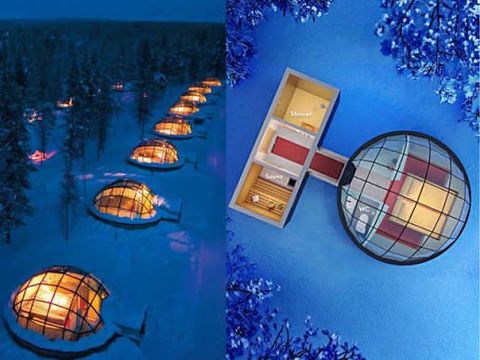
Glass igloo suites are a form of unique accommodation designed around panoramic views of the surrounding landscape and sky. Instead of the solid roof normally found in a cabin or hotel room, these structures use large glass sections, often including a glass roof or wide glass ceiling.
The concept is particularly associated with Finnish Lapland, where glass-roofed cabins have become popular for viewing the Northern Lights. Some properties use the term “igloo” because their rounded or compact design resembles a traditional snow igloo, although many modern structures are actually wooden or insulated cabins with panoramic glass roofs.
Glass igloo hotels and resorts can differ considerably. Some are compact rooms designed mainly for sleeping and viewing the sky, while others include private bathrooms, saunas, fireplaces, kitchen areas, terraces, or separate living spaces.
The main attraction is the combination of indoor comfort and outdoor visibility. Guests can remain inside a heated room while observing snowy forests, lakes, stars, and, under suitable conditions, the Northern Lights.
Finnish Lapland is especially associated with this type of Arctic accommodation. Visit Finland describes the region as a year-round destination known for Arctic wilderness, Northern Lights, snow, reindeer, Sámi culture, and distinctive seasonal light conditions.
Why Glass Igloo Accommodation Matters for Arctic Travel
Glass igloo stays represent a broader change in winter tourism: travelers increasingly look for accommodation that is part of the destination experience rather than simply a place to sleep.
This is particularly relevant in northern destinations where the natural environment is a major part of the journey. A glass roof can make the sky, snowfall, forest, and changing daylight visible from the room without requiring guests to remain outdoors for long periods.
For Northern Lights travel, this can also be practical. Aurora activity is unpredictable, and visibility depends on factors such as darkness, cloud cover, atmospheric conditions, and solar activity. A glass igloo does not guarantee an aurora sighting, but it can provide a convenient viewing position when the sky is clear.
Visit Finland currently identifies late August to early April as the main Northern Lights season, with September–October and February–March highlighted around the equinoxes. December is described as the most popular travel period.
Glass igloo accommodation can be useful for several types of travelers:
Couples looking for a distinctive winter environment
Families interested in Arctic landscapes and seasonal activities
Photographers interested in night skies and snowy scenery
Travelers planning Northern Lights trips
Visitors seeking an alternative to conventional hotel rooms
People interested in nature-focused and design-oriented accommodation
Types of Glass Igloo Stays
Not every glass igloo has the same design. Understanding the differences can make travel planning easier.
| Type | Main Feature | Suitable For |
|---|---|---|
| Glass-roof cabin | Large overhead viewing area | Northern Lights viewing |
| Arctic glass igloo | Compact panoramic structure | Winter experiences |
| Luxury glass igloo suite | Larger interior and additional facilities | Longer stays |
| Glass igloo hotel room | Hotel-style layout with panoramic roof | Short breaks |
| Lake-view glass igloo | Views across a frozen or open lake | Scenic travel |
| Mobile glass igloo | Relocatable or seasonal structure | Flexible Arctic experiences |
| Family glass cabin | More interior space | Families and small groups |
Some Finnish properties also use innovative designs. For example, Visit Finland lists AuroraHut glass igloo boats in Ranua that can be moved on the lake depending on the season. Another example is AuroraHut Pytkyigloos in Syöte, where the accommodation is designed around views of Northern Lights, stars, and the midnight sun.
Popular Glass Igloo Destinations in Finland
Finnish Lapland remains one of the best-known regions for glass igloo travel. Destinations include Rovaniemi, Ivalo, Saariselkä, Levi, Kittilä, Ranua, Pyhä, and Kilpisjärvi.
Rovaniemi is located close to the Arctic Circle and combines winter tourism with access to Arctic activities. Saariselkä and Ivalo are further north and are strongly associated with Northern Lights travel.
Levi is known for winter recreation and mountain scenery, while Ranua provides opportunities to combine glass igloo accommodation with lake landscapes and Arctic wildlife experiences.
Kilpisjärvi offers a more remote setting. Visit Finland currently highlights Arctic Land Adventure Glass Igloo in the area, located beside Lake Peerajärvi and surrounded by tundra landscapes.
Glass-roofed accommodation is not limited exclusively to Lapland. Northern Lakeland also has properties designed around panoramic views and Northern Lights observation.
Planning a Glass Igloo Vacation
Choosing the right time depends on the experience a traveler wants.
For Northern Lights glass igloo trips, the darker months are generally more appropriate because auroras cannot normally be observed during bright daylight. However, winter brings short daylight hours, colder temperatures, and potentially challenging travel conditions.
A useful planning approach is to consider four factors:
Season: Choose between aurora-focused winter travel and brighter summer conditions.
Location: More northern or remote locations can provide different landscapes and viewing conditions.
Accommodation design: Compare roof coverage, window orientation, heating, bathroom facilities, and privacy.
Activities: Consider whether the trip also includes skiing, snowshoeing, husky rides, reindeer experiences, hiking, or cultural activities.
Travelers should also check the exact room design. “Glass igloo” can mean a fully panoramic structure, a cabin with a glass roof, or a room with only a large glass ceiling.
What to Consider Before Staying in a Glass Igloo
The visual experience is important, but practical features matter just as much.
Heating and insulation: Arctic accommodation needs effective heating and insulation. Ask whether the room maintains comfortable temperatures during the expected winter conditions.
Glass and visibility: Condensation, frost, snowfall, or cloud cover can reduce visibility. A panoramic roof does not always provide a completely unobstructed view.
Privacy: Large glass surfaces can affect privacy, particularly during daylight. Check the surrounding layout and whether curtains or blinds are available.
Light pollution: A remote location may provide better conditions for observing stars and auroras than an urban area.
Accessibility: Some cabins may be located away from major roads or transport connections. Travelers should check arrival arrangements, winter road conditions, and walking distances.
Weather: Snowstorms, cloud cover, and extreme cold can affect outdoor activities and transportation. Flexible planning is useful in Arctic environments.
Recent Tourism Updates and Trends
Finland's accommodation sector has shown continued international tourism growth. Statistics Finland reported 23.3 million overnight stays in accommodation establishments during 2025, with non-resident overnight stays increasing by 13% compared with 2024.
Lapland was particularly strong during the winter period. In December 2025, non-resident tourists recorded about 0.55 million overnight stays in Lapland, an increase of 6% from the previous year. The hotel-room occupancy rate in Lapland was 79% that month.
January 2026 also showed continued activity. Statistics Finland reported approximately 0.44 million total overnight stays in Lapland, representing a 3% increase compared with January 2025.
These figures cover accommodation establishments generally rather than glass igloo suites specifically. They nevertheless indicate the broader strength of Finnish and Lapland tourism.
Another noticeable trend is the expansion of accommodation designed around natural viewing. Visit Finland's current travel material includes glass-roofed cabins and other panoramic accommodation in several northern destinations, showing that this format has become an established part of Arctic tourism.
Laws, Policies, and Safety Considerations in Finland
Glass igloo accommodation is affected by the same general building, accommodation, fire-safety, and taxation frameworks that apply to other relevant accommodation establishments.
Finland's Act on Accommodation and Food Service Activities (308/2006) defines accommodation activities as providing furnished rooms or other accommodation on a professional basis to people requiring temporary accommodation. This means that the legal classification of a glass igloo depends on how the accommodation is operated rather than simply its appearance.
Building requirements are also important. Finnish building rules address structural strength, stability, fire safety, smoke and fire spread, and the ability of occupants to leave a building safely during a fire.
Fire-safety requirements can include functioning fire detection equipment and appropriate arrangements for accommodation premises. Finnish rescue legislation places specific responsibilities on operators of accommodation premises concerning fire detection equipment.
Tax rules have also changed recently. From 1 January 2026, Finland's reduced VAT rate applicable to accommodation was changed from 14% to 13.5%.
Travelers do not normally need to calculate these rules themselves, but they can be relevant when comparing accommodation information, receipts, and published rates.
Helpful Tools and Travel Resources
Several resources can make glass igloo travel planning easier:
Visit Finland: Destination information, Northern Lights guidance, accommodation ideas, and seasonal travel information.
Statistics Finland: Official accommodation and tourism statistics for understanding current travel patterns.
Finnish Meteorological Institute: Weather and atmospheric information for Finnish travel planning.
Aurora forecasts: Useful for understanding solar activity, although forecasts cannot guarantee an aurora sighting.
Map and navigation applications: Helpful for checking distances between airports, towns, attractions, and remote accommodation.
Weather applications: Important for Arctic temperatures, snowfall, cloud cover, and road conditions.
Public transport planners: Useful when combining flights, trains, buses, and local transfers.
Visit Finland's current Northern Lights guidance is particularly useful because it explains the seasonal window, geographical areas, and practical considerations for aurora viewing.
Frequently Asked Questions
Are glass igloo suites only available in Finland?
No. Glass-roofed and panoramic Arctic accommodation can be found in several northern destinations. Finland, particularly Lapland, is one of the destinations most strongly associated with the concept.
Can you always see the Northern Lights from a glass igloo?
No. Glass igloos provide a viewing environment, but aurora visibility depends on natural conditions such as solar activity, darkness, cloud cover, and local weather.
What is the best time for a Northern Lights glass igloo trip?
The aurora season in Finland generally runs from late August to early April. September–October and February–March are highlighted as periods with frequent aurora activity, although sightings remain weather-dependent.
Are glass igloo rooms heated during winter?
Most purpose-built Arctic accommodation is designed for cold conditions and includes heating and insulation, but facilities differ. Travelers should check the individual property's specifications before planning a winter stay.
What should I check before choosing a glass igloo?
Check the location, roof and window design, heating, bathroom facilities, privacy arrangements, accessibility, transportation, seasonal conditions, and the property's cancellation or weather policies.
Conclusion
Glass igloo suites combine Arctic accommodation with panoramic views of the surrounding environment. Their popularity is closely connected with Finnish Lapland, where snowy landscapes, dark winter skies, and Northern Lights create conditions suited to this type of travel experience.
A good glass igloo travel plan should consider more than appearance. Season, weather, location, heating, accessibility, privacy, transportation, and safety can all influence the experience.
Finland's recent tourism statistics show strong international accommodation activity, while current tourism resources continue to highlight glass-roofed cabins and other nature-focused accommodation across Lapland and northern regions.
For travelers researching an Arctic glass igloo, the most useful approach is to compare destinations and accommodation features carefully, understand the seasonal Northern Lights window, and use official Finnish tourism, weather, and statistical resources for current information.

Related Post...

Understanding Market Trend Interpretation Services: Tips, Knowledge, and Helpful Resource
Updated: November 23, 2026
Read More
Learn About Digital Banking Platforms: Tips, Knowledge, and Helpful Resources
Updated: November 19, 2026
Read More
Learn About Smart Home Hubs: Knowledge, Benefits, Setup Ideas, and Helpful Resources
Updated: November 22, 2026
Read More