Understanding Women’s Designer Clothing Websites: Essential Features, Categories, and Useful Information
Women’s designer clothing websites are digital platforms that present fashion collections, designer labels, clothing categories, product information, sizing details, and styling references in an online format. They may represent individual fashion houses, multi-brand retailers, online designer boutiques, or broader fashion marketplaces.
These websites exist because digital platforms allow people to explore women's designer fashion collections without relying entirely on physical stores. A website can organize clothing according to category, designer, occasion, size, color, material, or style.
Common categories found on women's designer fashion websites include:
- Women's designer dresses
- Designer tops for women
- Designer suits for women
- Designer ethnic wear for women
- Designer party wear for women
- Designer formal wear for women
- Designer casual wear for women
- Designer outerwear
- Designer accessories
- Seasonal fashion collections
The quality of information available on a website can be just as important as its visual presentation. Clear photographs, measurements, fabric descriptions, care instructions, and information about the designer can help users understand a garment before making a decision.
Why Designer Fashion Websites Matter Today
Online fashion platforms have become an important part of the wider retail environment. India's e-commerce market continues to expand, supported by increasing internet use, digital payments, and changing shopping habits. IBEF reported in August 2026 that India's e-commerce industry was valued at approximately US$125 billion in 2024 and was projected to reach about US$345 billion by 2030.
For women's fashion, digital platforms provide several practical advantages. Users can compare collections, examine garment details, review sizing information, and research different designer clothing styles from one location.
This can be particularly useful for people looking for clothing for specific occasions. For example, someone researching designer ethnic wear for women may want to compare traditional silhouettes, embroidery, fabrics, and regional influences. Another user may be researching designer formal wear for professional or ceremonial occasions.
The expansion of online retail is also reaching beyond major metropolitan areas. November 2026 reporting based on 2025 Black Friday-Cyber Monday data found that 43% of analyzed online orders originated outside India's top 50 districts, indicating broader geographic participation in e-commerce.
Important Features of a Women's Designer Fashion Website
A well-organized designer clothing website generally provides information that helps users understand both the garment and the designer behind it.
Important website features can include:
- High-resolution product photographs
- Multiple garment views
- Accurate size charts
- Fabric and material information
- Care instructions
- Designer or brand information
- Collection descriptions
- Color and size filters
- Occasion-based categories
- Delivery and return information
- Customer support and grievance details
- Secure payment information
A useful website should also distinguish between editorial content and product information. Fashion articles may discuss trends or styling ideas, while product pages should provide factual information about the specific garment.
Major Categories of Designer Clothing
Designer clothing websites can organize products according to different fashion needs. Understanding these categories makes it easier to research women's designer clothing online.
Designer dresses for women: These may include evening dresses, cocktail dresses, maxi dresses, formal dresses, and occasion-specific designs.
Designer tops for women: This category can include blouses, shirts, tunics, statement tops, and contemporary silhouettes.
Designer suits for women: These may include tailored suits, coordinated sets, formal trousers with jackets, and fashion-forward interpretations of traditional suits.
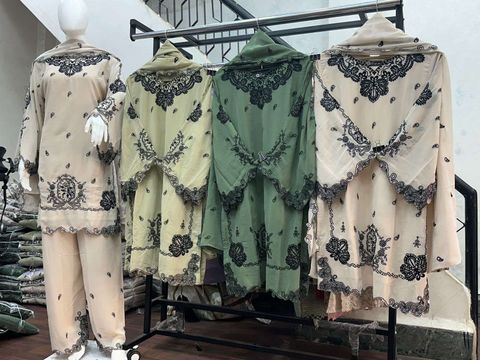
Designer ethnic wear for women: This can include sarees, lehengas, salwar suits, anarkalis, kurta sets, and other culturally influenced garments.
Designer party wear for women: Party-oriented collections may include embellished dresses, statement separates, coordinated sets, and decorative fabrics.
Designer formal wear for women: Formal collections generally emphasize structured silhouettes, refined fabrics, and designs appropriate for professional or formal occasions.
Designer casual wear for women: Casual collections may include everyday dresses, relaxed shirts, trousers, knitwear, skirts, and versatile separates.
| Category | Common Characteristics | Typical Use |
|---|---|---|
| Designer dresses | Varied silhouettes and fabrics | Formal and social occasions |
| Designer tops | Blouses, shirts, tunics | Casual or formal styling |
| Designer suits | Structured coordinated pieces | Professional and formal settings |
| Ethnic wear | Traditional silhouettes and details | Cultural and festive occasions |
| Party wear | Decorative details and statement designs | Social events |
| Casual wear | Comfortable and adaptable styles | Everyday use |
Understanding Designer Clothing Collections
A designer clothing collection is usually developed around a particular creative direction. Designers may establish a visual theme through color, fabric, silhouette, pattern, embroidery, construction, or cultural references.
Collections can be seasonal or occasion-based. Common terms include spring/summer, autumn/winter, resort, festive, bridal, evening, and occasion collections.
Website visitors can use collection information to understand how individual garments relate to a broader design concept. This is particularly useful when researching women's luxury clothing or premium women's fashion, where the designer's creative identity can be an important part of the collection.
It is also useful to distinguish designer fashion brands from general fashion retailers. A designer label may have a distinct creative identity and collection strategy, while a multi-brand website may present clothing from many different labels.
Recent Trends in Online Women's Fashion
The broader Indian online retail environment continued to expand during 2026. IBEF reported in October 2026 that India's online retail market was expected to exceed US$90 billion during 2026, with the market growing approximately 25% year-on-year in the first half of the year according to Redseer.
Fashion is also becoming increasingly integrated with digital discovery. Online fashion websites now commonly use detailed imagery, filtering systems, editorial content, recommendations, and mobile-first interfaces to help users explore collections.
Another notable trend is the increasing reach of online commerce beyond major cities. This expansion means women's fashion websites can potentially reach audiences with different regional preferences, cultural clothing requirements, and occasion-based needs.
Current website trends include:
- Mobile-focused fashion browsing
- Detailed product photography
- Personalized recommendations
- Occasion-based navigation
- Digital size guides
- Editorial fashion content
- Virtual styling features
- Greater emphasis on transparency
- Integration of digital payment methods
- Wider geographic reach
Laws and Policies Affecting Online Fashion Websites in India
Women's designer clothing websites operating in India are subject to consumer-protection and e-commerce requirements. The Consumer Protection Act, 2019 covers electronic transactions and provides a framework for addressing unfair trade practices, misleading advertisements, product liability, and consumer grievances.
The Consumer Protection (E-Commerce) Rules, 2020 also establish requirements relating to information disclosure, grievance mechanisms, seller information, returns, refunds, exchanges, warranties, and other consumer-facing information.
There have been important recent developments. On September 9, 2026, the government notified the Consumer Protection (E-Commerce) (Amendment) Rules, 2026, which are scheduled to come into force on January 1, 2027. The amendment includes provisions concerning platform information, grievance handling, imported goods, and manipulation of search results.
The Central Consumer Protection Authority also issued a June 2025 advisory encouraging e-commerce platforms to conduct self-audits for dark patterns and highlighted the requirement for explicit consumer consent rather than automatically recorded consent.
For consumers, these developments reinforce the importance of checking website information carefully and understanding the platform's policies before completing an online transaction.
Useful Tools and Resources for Fashion Research
Several digital resources can help users research women's designer clothing online.
Size-guide tools: Brand-specific measurement charts can help users compare body measurements with garment measurements.
Digital wardrobes: Wardrobe applications can organize existing clothing and help identify gaps in a personal collection.
Color-palette tools: Online color tools can help coordinate clothing colors and accessories.
Image search tools: Visual search can help identify similar silhouettes, patterns, fabrics, and styling references.
Fashion publications: Established fashion publications can provide information about collections, designers, runway developments, and seasonal trends.
Official designer websites: These are useful for verifying designer information, collection details, garment specifications, and brand history.
Consumer protection resources: India's Department of Consumer Affairs provides information about e-commerce rules and consumer grievance mechanisms. The government also operates e-Jagriti, a digital platform for consumer grievance redressal.
A simple research checklist can include:
- Designer or brand identity
- Garment category
- Collection name
- Fabric composition
- Size information
- Care instructions
- Country of origin where applicable
- Website policies
- Return and exchange information
- Customer-support details
Frequently Asked Questions
What are women's designer clothing websites?
They are online platforms that present designer clothing collections, fashion categories, garment details, designer information, and related fashion content for women.
What categories can be found on designer fashion websites?
Common categories include designer dresses, tops, suits, ethnic wear, party wear, formal wear, casual wear, outerwear, and accessories.
How can users evaluate a designer clothing website?
They can examine the quality of product information, photographs, sizing details, fabric descriptions, designer information, policies, and available customer-support or grievance mechanisms.
Are online designer clothing websites regulated in India?
Yes. E-commerce platforms are subject to India's consumer-protection framework, including the Consumer Protection Act, 2019 and Consumer Protection (E-Commerce) Rules. Additional amendments notified in 2026 are scheduled to take effect from January 1, 2027. What is the difference between luxury fashion websites and general women's fashion websites?
Luxury fashion websites generally focus on premium or luxury labels and collections, while general women's fashion websites may cover a much broader range of brands, styles, and price segments.
Conclusion
Women's designer clothing websites have become important digital resources for researching designer fashion collections, clothing categories, styles, and trends. They can bring together information about dresses, tops, suits, ethnic wear, party wear, formal clothing, casual fashion, and luxury collections.
For users, the most useful websites are those that provide clear garment information, accurate sizing guidance, transparent policies, and identifiable designer or brand details. Fashion websites are also increasingly using mobile-focused interfaces, visual search, recommendations, and editorial content to support online discovery.
As India's digital retail environment continues to expand, understanding both fashion-related website features and consumer-protection requirements can help users make more informed decisions when researching women's designer fashion online.

Related Post...
Understanding Designer Clothing: Tips, Knowledge, Styling Ideas, and Helpful Resources
Updated: November 25, 2026
Read More
Explore Winter Fashion: An Informative Guide to Clothing, Layers, and Details
Updated: November 25, 2026
Read More