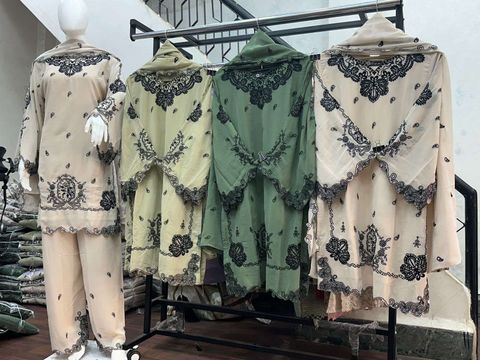
Understanding Designer Trending Suits: Essential Fashion Trends, Designs, and Features
Designer trending suits are coordinated clothing sets developed around current fashion directions, refined tailoring, distinctive fabrics, colors, patterns, and construction details. A suit may include a jacket with matching trousers, while some fashion collections also include waistcoats, skirts, tunics, or coordinated ethnic pieces.
The idea of a designer suit has expanded beyond traditional formalwear. Today, designer suit collections can include business suits, party suits, wedding suits, ethnic suits, contemporary women's suits, and modern men's suits.
Fashion trends influence silhouettes, proportions, fabric choices, colors, and styling details. However, a trend does not necessarily mean that every new design is suitable for every occasion. Fit, comfort, climate, dress code, and personal style remain important considerations.
Why Designer Suit Trends Matter Today
The modern fashion environment changes quickly because consumers encounter new designs through fashion shows, digital platforms, entertainment, cultural events, and international collections. This has increased interest in latest designer suits and adaptable wardrobe pieces.
Designer suits can serve several practical purposes:
Formal settings: Structured jackets and trousers remain relevant for business and professional environments.
Celebrations: Decorative fabrics, embroidery, distinctive colors, and statement silhouettes are common in party and wedding suits.
Ethnic occasions: Tailored interpretations of traditional garments combine cultural elements with contemporary construction.
Everyday polished dressing: Minimal designs and comfortable fabrics can create a refined appearance without excessive decoration.
Personal styling: Different cuts, colors, fabrics, and accessories allow one suit to be adapted for multiple settings.
The broader Indian apparel market is also becoming more digitally connected. A January 2026 industry report estimated India's apparel retail market could reach about US$193 billion by FY30, with digitalisation and changing consumer preferences contributing to the expansion.
Major Types of Designer Suits
Designer suits can be grouped according to purpose, construction, and cultural influence.
| Suit Type | Common Characteristics | Typical Use |
|---|---|---|
| Designer formal suits | Structured jackets, tailored trousers, restrained colors | Formal occasions |
| Designer business suits | Clean silhouettes, subtle patterns | Professional environments |
| Designer party suits | Decorative details and distinctive styling | Social events |
| Designer wedding suits | Rich fabrics, embellishment, formal tailoring | Wedding celebrations |
| Designer ethnic suits | Traditional textiles, motifs, or silhouettes | Cultural occasions |
| Designer women's suits | Varied cuts, trousers, skirts, or coordinated sets | Formal and social wear |
| Designer men's suits | Structured jackets, trousers, and optional waistcoats | Formal and professional wear |
| Modern designer suits | Contemporary proportions and minimalist details | Fashion-forward occasions |
The distinction between these categories is not always strict. A single designer collection may combine formal tailoring with ethnic patterns or modern silhouettes.
Designer Suit Designs, Fabrics, and Construction
The fabric is one of the most important elements of a designer suit. It influences appearance, drape, breathability, durability, and comfort.
Common designer suit fabrics include:
Wool and wool blends
Cotton
Linen
Silk
Velvet
Satin
Crepe
Jacquard
Tweed
Polyester and blended textiles
For warmer climates, lightweight cotton, linen, and breathable blends can be practical. Wool and wool-blend fabrics are commonly associated with structured formalwear, while velvet, silk, jacquard, and embellished textiles can create more decorative looks.
Construction is equally important. A well-designed jacket generally considers shoulder structure, sleeve length, lapel shape, pocket placement, lining, and overall proportion. Designer suit trousers require attention to waist positioning, rise, leg shape, hem length, and movement.
Tailored designer suits may use more detailed measurements than standard ready-made garments. Custom designer suits can also incorporate individual preferences concerning silhouette, fabric, buttons, pockets, and finishing.
Popular Designer Suit Colors and Patterns
Color trends change with seasons and collections, but several categories remain versatile.
Neutral shades such as black, navy, charcoal, beige, cream, brown, and grey continue to work across formal wardrobes. Seasonal collections may introduce brighter tones such as emerald, burgundy, cobalt, lavender, or deep red.
Patterns can range from subtle to highly visible. Common examples include:
Pinstripes
Checks
Windowpane patterns
Herringbone
Floral motifs
Geometric prints
Traditional textile motifs
Jacquard patterns
Solid-color minimalist designs
Pattern scale matters. Smaller patterns can appear more understated, while large checks, bold prints, or elaborate motifs create a stronger visual effect.
Current Designer Suit Fashion Trends
Recent fashion developments show increasing overlap between traditional tailoring, comfort, cultural influences, and contemporary styling.
One important direction is the combination of traditional and modern design. Indian fashion continues to draw from regional textiles, embroidery, prints, and cultural silhouettes while incorporating contemporary cuts.
Another trend is the movement toward versatile clothing. A jacket may be styled with different trousers, while coordinated separates can be used independently. This approach gives a designer suit set more flexibility within a wardrobe.
Minimalism is also relevant. Clean lines, monochromatic combinations, restrained patterns, and simple tailoring can create a modern appearance without relying heavily on decorative details.
At the same time, occasionwear continues to use richer textiles and embellishment. Wedding and party suits may feature embroidery, metallic details, textured fabrics, or distinctive silhouettes.
Recent Developments in India's Textile and Apparel Sector
India's textile and apparel industry has experienced several notable developments during 2025 and 2026. According to an August 2026 industry overview, India remained one of the world's major textile and garment producers, with more than 45 million people engaged across the sector.
In May 2026, the first operational PM MITRA Park at Warangal, Telangana, was inaugurated. The integrated textile park covers 1,327 acres and is intended to strengthen textile manufacturing capabilities and supply-chain integration.
Policy activity has also continued around textile manufacturing. The official PLI Textiles portal records amendments and developments during 2025 and 2026, including an October 2026 modification to the scheme.
These developments primarily concern the wider textile ecosystem rather than designer suits specifically, but they can influence fabric availability, manufacturing capabilities, technology adoption, and the broader fashion industry.
Laws, Labelling, and Textile Policies in India
Designer suits are part of India's wider apparel and textile regulatory environment. Clothing labels and packaging information can be affected by consumer protection, textile, and legal-metrology requirements.
The Legal Metrology (Packaged Commodities) Rules include specific requirements for garments sold in certain loose or open formats. The 2022 amendment specified information such as manufacturer or marketer details, country of origin for imported products, consumer-care contact details, sizes, and maximum retail price, with corresponding information required on e-commerce listings in applicable circumstances.
The Ministry of Textiles has also been developing regulations concerning labelling and markings for textiles, apparel, and made-up articles. A 2025 draft regulation proposed information including fibre composition, country of origin, manufacturer details, and traceability information for covered products.
Textile policy also includes manufacturing-focused programs. The PLI Scheme for Textiles supports selected segments including man-made-fibre apparel, fabrics, and technical textiles. The official portal shows continued amendments and applications during 2025 and 2026.
Consumers and fashion businesses should therefore check the latest applicable government notifications because requirements can differ according to garment type, packaging format, manufacturing status, and whether an item is imported.
Tools and Resources for Designer Suit Planning
Several practical resources can help with understanding and planning designer suit styling.
Fashion reference platforms: Digital fashion publications, designer lookbooks, runway archives, and fashion magazines can help identify recurring silhouettes, colors, and patterns.
Color tools: Digital color palettes and color-wheel applications can help compare jacket, trouser, shirt, footwear, and accessory combinations.
Measurement guides: Tailoring measurement charts can help understand shoulder width, chest, waist, sleeve length, inseam, and trouser measurements.
Digital design software: Fashion CAD and garment-design applications can assist with pattern development, technical drawings, fabric visualization, and collection planning.
Textile resources: The Ministry of Textiles and Textiles Committee provide information about Indian textile standards, schemes, and industry developments.
Wardrobe planning tools: Digital wardrobe applications can help organize suit combinations and identify how individual jackets or trousers can be paired with other garments.
How to Evaluate a Designer Suit
A practical evaluation can focus on five areas:
Fit: Check shoulders, chest, waist, sleeves, trouser rise, and hem.
Fabric: Consider climate, occasion, texture, breathability, and maintenance requirements.
Construction: Examine seams, lining, buttons, pockets, and finishing.
Color and pattern: Choose combinations appropriate for the intended setting.
Versatility: Consider whether the jacket and trousers can work with other wardrobe pieces.
A visually impressive suit may still be unsuitable if the fit restricts movement or the fabric is inappropriate for the climate. Practicality and comfort are therefore important alongside appearance.
Frequently Asked Questions
What are designer trending suits?
Designer trending suits are coordinated garments influenced by current fashion directions. They may include formal, business, party, wedding, ethnic, and contemporary suit styles.
Which fabrics are commonly used for designer suits?
Wool, cotton, linen, silk, velvet, satin, crepe, jacquard, tweed, and blended textiles are commonly used, with the appropriate choice depending on climate, occasion, and desired structure.
Are designer suits only intended for formal occasions?
No. Modern designer suit collections can include businesswear, wedding attire, ethnic clothing, partywear, and more relaxed contemporary styles.
How are modern designer suits different from traditional suits?
Modern designer suits may experiment with proportions, colors, fabrics, patterns, layering, and relaxed silhouettes, while traditional suits generally follow more established tailoring conventions.
What should be checked before choosing a designer suit?
Fit, fabric, construction, color, pattern, comfort, occasion suitability, and versatility are useful factors to consider.
Conclusion
Designer trending suits combine established tailoring principles with changing fashion preferences. Current designer suit designs range from structured business and formal suits to contemporary partywear, wedding attire, ethnic styles, and versatile suit sets.
The most important elements include fit, fabric, construction, color, pattern, and intended use. Recent developments in India's textile sector, including manufacturing initiatives, textile-policy updates, and evolving labelling frameworks, also provide wider context for the fashion industry.
Understanding these factors makes it easier to interpret designer suit trends without treating every seasonal trend as a permanent fashion rule. A balanced approach considers current design ideas alongside comfort, practicality, cultural context, and appropriate styling.

Related Post...
Learn About Luxury Watches: Tips, Knowledge, Styles, and Helpful Resources
Updated: November 24, 2026
Read More
Learn About Designer Clothing: Tips, Knowledge, Styling Ideas, and Helpful Resources
Updated: November 24, 2026
Read More
Explore Designer Handbags: An Informative Guide to Designs, Features, and Details
Updated: November 24, 2026
Read More