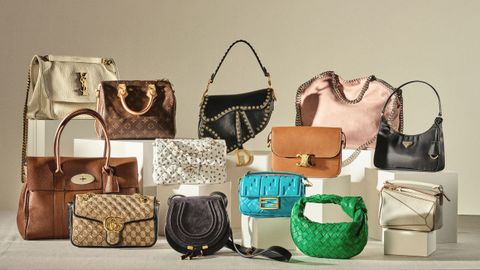
Explore Designer Handbags: An Informative Guide to Designs, Features, and Details
Designer handbags are fashion accessories created with particular attention to design, materials, construction, branding, and functional details. They can range from structured handbags and designer tote bags to compact clutches, crossbody bags, shoulder bags, and mini bags.
The term “designer” generally refers to a handbag associated with a recognized fashion house or design label. Luxury designer handbags may use materials such as leather, suede, canvas, textiles, or specially developed synthetic materials. Their appearance can be influenced by seasonal collections, historical design codes, cultural preferences, and changing lifestyles.
A designer handbag collection often includes several shapes intended for different situations. A large tote may accommodate everyday items, while a designer clutch bag may be designed around evening or formal occasions. Crossbody and shoulder styles can provide a different balance between carrying convenience and appearance.
The main categories include:
Designer tote bags: Larger silhouettes designed around spacious interiors.
Designer shoulder bags: Usually carried on one shoulder with a strap or chain.
Designer crossbody bags: Designed to be worn across the body.
Designer clutch bags: Compact, hand-carried styles commonly associated with evening dressing.
Designer satchel bags: Structured bags often featuring handles and organized compartments.
Designer bucket bags: Characterized by an open, rounded, or drawstring-style structure.
Designer mini bags: Smaller versions intended for carrying a limited number of essentials.
Designer purses: A broad category covering many compact and medium-sized handbag styles.
Why Designer Handbags Matter Today
Handbags combine fashion, organization, and personal style. For many people, the shape and construction of a bag are as important as its visual appearance.
For working professionals, a structured tote or larger shoulder bag can accommodate everyday items. For travel or casual activities, a crossbody design may provide a practical carrying arrangement. Smaller handbags can be appropriate when only a phone, cards, keys, or other essentials are needed.
Designer handbags also reflect broader changes in fashion. Classic designer handbags often remain recognizable because their silhouettes, materials, or construction details have continued across multiple seasons. Modern designer handbags, by contrast, may experiment with unusual proportions, textures, colors, or hardware.
Several features are commonly evaluated when comparing handbag designs:
| Feature | What to examine |
|---|---|
| Material | Leather, suede, canvas, textile, or synthetic construction |
| Shape | Structured, soft, rectangular, rounded, bucket, or crescent |
| Size | Mini, small, medium, large, or oversized |
| Carrying method | Handle, shoulder strap, crossbody strap, or clutch |
| Interior | Compartments, pockets, lining, and organization |
| Closure | Zip, magnetic fastening, clasp, drawstring, or flap |
| Hardware | Buckles, chains, rings, logos, and decorative elements |
| Maintenance | Cleaning, storage, moisture protection, and handling requirements |
Designer Handbag Materials and Construction
Materials strongly influence the appearance and handling characteristics of a handbag. Leather designer handbags remain an important category because leather can be shaped into structured or flexible designs and may develop distinctive surface characteristics over time.
Genuine leather handbags can include different leather types and finishes. Full-grain, corrected-grain, smooth, textured, embossed, and coated finishes can produce noticeably different appearances.
Other materials are also important. Canvas can create a lighter and more casual visual effect, while suede provides a softer surface. Textile and synthetic materials can support different colors, textures, and construction methods.
Material alone does not determine overall quality. Stitching, lining, hardware attachment, edge finishing, closures, handle construction, and interior organization also contribute to the functional characteristics of a handbag.
Popular Designer Handbag Styles
Designer handbag styles can be grouped according to shape, carrying method, and intended use.
A tote generally provides a broad opening and relatively large interior. A satchel often has a more structured appearance and may include multiple compartments. A crossbody bag normally uses a longer strap, allowing the bag to rest around the hip or torso.
A shoulder bag is generally carried under the arm, while a clutch is usually compact and carried by hand. A bucket bag typically has a deeper interior and may use a drawstring or similar closure.
Mini bags have also become an important part of modern designer handbag designs. Although their capacity is limited, their small proportions can complement formal or fashion-focused outfits.
Designer Handbag Trends in 2026
Handbag trends continue to change as designers reinterpret established silhouettes. Current 2026 fashion reporting shows a mixture of archive-inspired designs, practical larger bags, decorative details, and softer shapes.
For spring and summer 2026, Vogue highlighted canvas totes, raffia textures, beaded and embellished bags, petite pouches, bowling silhouettes, slouchy bags, and renewed interest in chain handles.
Fall/winter 2026 reporting identified several additional directions, including east-west silhouettes, textured bags, larger shoulder bags, half-moon shapes, animal prints, tassel details, top-handle designs, and updated clutch styles.
A notable trend is the continued combination of classic and contemporary design. Rather than completely replacing older silhouettes, fashion houses are updating recognizable shapes with new proportions, materials, colors, and hardware.
Recent fashion coverage also suggests that there is no single handbag style dominating the entire market. Structured top handles, slouchy carryalls, compact pouches, and established styles can appear simultaneously.
| 2026 direction | Typical characteristics |
|---|---|
| East-west bags | Elongated horizontal proportions |
| Half-moon bags | Curved or crescent-shaped construction |
| Slouchy bags | Softer structure and relaxed appearance |
| Textured bags | Embossing, woven surfaces, or tactile finishes |
| Top-handle bags | Structured handles and polished silhouettes |
| Large shoulder bags | More capacity with shoulder-focused construction |
| Decorative bags | Beading, tassels, embroidery, or embellishment |
| Updated classics | Familiar shapes with contemporary details |
Choosing a Designer Handbag by Purpose
The most useful handbag depends on how it will be used rather than simply its appearance.
For everyday use, a medium-sized shoulder bag, tote, or crossbody can provide a balance between capacity and portability. For formal occasions, a clutch or compact evening bag may be more appropriate.
For work-related use, interior organization can be particularly important. A bag with separate compartments can make it easier to arrange personal items, documents, or small electronic accessories.
When examining a handbag, consider:
Intended daily use
Required interior capacity
Weight of the empty bag
Strap length and adjustability
Closure mechanism
Material characteristics
Interior compartments
Ease of maintenance
Compatibility with existing clothing and accessories
Long-term storage requirements
Designer Handbag Care and Storage
Proper care can help preserve the appearance of many handbags. Care requirements vary according to material, finish, construction, and manufacturer guidance.
Leather bags should generally be protected from prolonged moisture and excessive heat. Suede requires particular attention because its surface can react differently to water and friction. Embellished or delicate handbags may require gentler handling.
Useful care practices include:
Store handbags in a clean, dry environment.
Keep them away from prolonged direct sunlight.
Avoid placing them on dirty or wet surfaces.
Use suitable protective packaging when storing delicate materials.
Do not overload the interior.
Follow material-specific cleaning instructions.
Maintain shape using appropriate internal support when recommended.
Inspect hardware, handles, seams, and closures periodically.
Laws, Policies, and Consumer Information in India
Designer handbags in India can be affected by consumer-protection and labeling requirements, particularly when products are packaged and marketed through retail channels.
The Department of Consumer Affairs states that the Legal Metrology (Packaged Commodities) Rules, 2011 require specified declarations for applicable pre-packaged commodities. These can include the manufacturer's or importer's details, country of origin for imported products, generic description, quantity where applicable, MRP, and consumer-care information.
For imported designer handbags, country-of-origin information can therefore be relevant to consumer documentation. Online retail presentation can also be subject to applicable consumer and e-commerce requirements.
Consumers should distinguish between authentic branded products and unauthorized copies. Brand names, logos, packaging, serial or authentication details where applicable, and documentation should be assessed carefully rather than relying on appearance alone.
Indian consumer rules can change through amendments and notifications, so current government publications should be checked when precise compliance information is required.
Useful Designer Handbag Tools and Resources
Several resources can help readers understand designer handbags more systematically.
Brand archives and official product information: Useful for comparing historical silhouettes, materials, dimensions, and design terminology.
Material-care guides: Helpful for understanding how leather, suede, canvas, and textile surfaces should be handled.
Fashion trend reports: Runway coverage and seasonal reports can help identify emerging designer handbag trends.
Measurement references: Comparing dimensions can help determine whether a handbag is suitable for everyday items, documents, or smaller essentials.
Consumer information resources: Government consumer-affairs publications can help readers understand applicable labeling and consumer-protection requirements in India.
A useful comparison checklist is:
| Question | Why it matters |
|---|---|
| What material is used? | Determines handling and maintenance |
| What is the bag's size? | Indicates practical capacity |
| How is it carried? | Affects comfort and use |
| How is it closed? | Influences security and accessibility |
| What is inside? | Determines organization |
| How should it be maintained? | Helps protect the material |
| Is origin information available? | Important for imported products |
Frequently Asked Questions
What are the main types of designer handbags?
Common types include tote bags, shoulder bags, crossbody bags, clutches, satchels, bucket bags, mini bags, and structured top-handle styles.
What materials are commonly used in luxury handbags?
Leather is widely used, along with suede, canvas, textiles, coated materials, and various synthetic materials. Construction and finishing vary between brands and collections.
Are designer handbag trends changing in 2026?
Yes. Current 2026 runway coverage shows interest in east-west shapes, half-moon silhouettes, slouchy bags, textured surfaces, larger shoulder bags, decorative details, and updated classic designs.
How can a designer handbag be maintained?
Maintenance depends on the material. General practices include protecting the bag from moisture and excessive heat, avoiding overloading, storing it properly, and following material-specific care guidance.
What should consumers check when examining an imported handbag in India?
Applicable packaging and labeling information can include importer details, country of origin, product description, MRP, and consumer-care information. The exact requirements depend on the applicable rules and product circumstances.
Conclusion
Designer handbags combine visual design with practical elements such as materials, dimensions, carrying methods, closures, compartments, and construction. Understanding these features makes it easier to compare different designer handbag styles without relying only on brand recognition or seasonal popularity.
Current 2026 trends demonstrate that both classic and modern designer handbags remain relevant. East-west silhouettes, half-moon shapes, slouchy bags, textured materials, top-handle designs, and decorative details are among the notable directions appearing in current fashion coverage.
For long-term use, the most useful approach is to consider the handbag's construction, material, capacity, care requirements, and intended purpose together. Government consumer information and reliable brand resources can also provide useful context for understanding labeling, origin, and product-related information in India.

Related Post...

Learn About Luxury Watches: Tips, Knowledge, Styles, and Helpful Resources
Updated: November 24, 2026
Read More
Learn About Designer Clothing: Tips, Knowledge, Styling Ideas, and Helpful Resources
Updated: November 24, 2026
Read More
Understanding Designer Trending Suits: Essential Fashion Trends, Designs, and Features
Updated: November 24, 2026
Read More