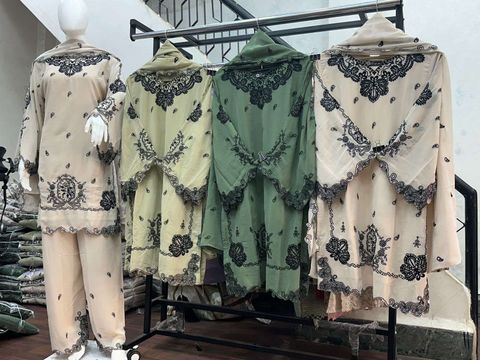
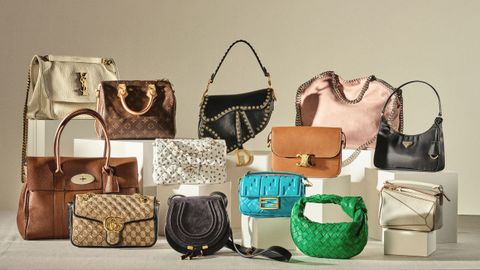
Learn About Designer Clothing: Tips, Knowledge, Styling Ideas, and Helpful Resources
Designer clothing refers to garments created with a strong emphasis on design, construction, materials, craftsmanship, and a recognizable creative identity. Designer clothes can include everyday pieces as well as formal, evening, ethnic, and occasion-based garments.
The term designer wear does not describe only one type of garment. It can include designer dresses, tops, shirts, jackets, coats, trousers, skirts, suits, and specialized pieces such as designer evening wear or designer ethnic wear.
Designer fashion is also closely connected with the broader fashion industry. A collection may communicate a particular design concept through its fabric, silhouette, colors, surface details, tailoring, and finishing techniques.
Luxury designer clothing and high-end clothing often place greater emphasis on specialized materials, detailed construction, limited collections, or distinctive design approaches. However, the meaning of “designer” can vary between brands and markets, so the label alone does not determine a garment's quality.
Common Categories of Designer Apparel
Designer clothing can be organized according to its purpose, construction, and occasion.
Designer casual wear: Shirts, tops, trousers, jackets, and relaxed dresses intended for everyday styling.
Designer formal wear: Suits, structured dresses, tailored trousers, coats, and coordinated outfits.
Designer evening wear: Gowns, embellished dresses, tailored suits, and sophisticated separates.
Designer party wear: Fashion-forward dresses, statement tops, skirts, jackets, and coordinated outfits.
Designer ethnic wear: Sarees, lehengas, kurtas, sherwanis, anarkalis, and other culturally influenced garments.
Designer outerwear: Coats, jackets, capes, trench styles, and other layering pieces.
Designer clothing collections may also be organized around a season, cultural theme, fabric concept, color palette, or particular design philosophy.
Why Designer Fashion Matters Today
Clothing has practical and cultural functions, but fashion also communicates personal preferences, identity, creativity, and social context. Designer fashion contributes to this wider role by introducing new silhouettes, material combinations, construction methods, and styling concepts.
The importance of the fashion sector is also significant for India. According to an August 2026 industry overview, India's textile and apparel sector contributes around 2% of national GDP and about 11% of manufacturing gross value added, while more than 45 million people are engaged in the wider sector.
For consumers, understanding designer clothing can help with practical decisions such as choosing suitable materials, recognizing different construction techniques, coordinating outfits, and maintaining garments properly.
For designers and students, knowledge of fabric behavior, pattern construction, textile technology, cultural influences, and changing fashion preferences is important for developing coherent clothing collections.
Designer Clothing Materials and Construction
The material used in designer clothing strongly influences appearance, comfort, durability, drape, and maintenance requirements.
Common materials include:
| Material | Typical Characteristics | Common Applications |
|---|---|---|
| Cotton | Breathable and versatile | Shirts, dresses, casual wear |
| Silk | Smooth, lightweight and lustrous | Sarees, dresses, evening wear |
| Wool | Warm and structured | Suits, coats, jackets |
| Linen | Lightweight and breathable | Shirts, trousers, summer wear |
| Leather | Durable with a distinctive texture | Jackets, skirts, accessories |
| Velvet | Soft surface with rich appearance | Evening and party wear |
| Denim | Strong and versatile | Jackets, trousers, casual wear |
| Recycled fibres | Can support material circularity | Various contemporary garments |
Construction is equally important. Tailoring, seam finishing, lining, embroidery, pleating, draping, printing, weaving, and surface embellishment can all influence the final appearance of a garment.
Designer Clothing Styles and Outfit Ideas
A useful designer fashion guide should focus on coordination rather than simply following every trend.
For a balanced outfit, consider:
The occasion and expected level of formality
The garment's silhouette and proportions
Fabric weight and texture
Color relationships
Footwear and accessories
Seasonal conditions
Comfort and movement
Personal styling preferences
For example, a structured designer jacket can be paired with relatively simple trousers or a plain dress. Similarly, an embellished designer skirt can be balanced with a less detailed top.
For formal occasions, designer suits, tailored dresses, coats, and evening wear can create a structured appearance. For everyday settings, designer shirts, tops, trousers, skirts, and lightweight jackets may provide a more relaxed approach.
Recent Designer Fashion Trends
Fashion trends continue to change through runway collections, cultural influences, digital platforms, technology, and changing consumer preferences. One notable development is the increasing attention given to sustainability and circular textile practices.
A July 2026 report on India's textile sector highlighted circular-economy practices, cleaner production, waste recovery, responsible sourcing, recycling, upcycling, and reuse as increasingly important areas.
India's wider textile sector has also continued to develop its manufacturing and infrastructure ecosystem. In May 2026, the country's first operational PM MITRA Park was inaugurated in Warangal, Telangana, while other textile parks and manufacturing initiatives continued to develop.
The sector is also seeing greater attention to technical textiles, specialized materials, digital processes, and modern manufacturing technologies. These developments can indirectly influence designer fashion through new fabrics, production techniques, and material choices.
Sustainable Designer Clothing
Sustainability is increasingly relevant to designer clothing because garments involve raw materials, water, energy, chemicals, transportation, packaging, and end-of-life waste.
Sustainable designer fashion can involve:
Recycled or regenerated fibres
Organic or responsibly sourced materials
Longer-lasting garment construction
Upcycling and redesign
Reduced textile waste
Responsible production practices
Repair and alteration
Better garment-care practices
The objective is not simply to classify one material as “sustainable.” Environmental impact depends on the complete lifecycle of a garment, including how the material is produced, how long the garment is used, and what happens after use.
Laws, Standards, and Policies in India
Designer clothing is part of India's larger textile and apparel ecosystem and is therefore affected by textile standards, labelling requirements, intellectual-property rules, consumer regulations, and government textile programs.
The Bureau of Indian Standards maintains standards covering textile products and their identification, labelling, marking, testing, and care information. In 2026, BIS listed IS 14452:2026, covering textile care labelling using symbols.
Labelling standards are particularly useful because consumers need information about garment care and textile characteristics. Proper care instructions can help reduce damage caused by inappropriate washing, bleaching, drying, ironing, or professional cleaning.
India also has specific systems for authentic handloom products. The Ministry of Textiles states that the Handloom Mark provides a collective identity for genuine handwoven products. As of December 31, 2025, 28,305 Handloom Mark registrations had been issued.
In January 2026, the Ministry of Textiles published regulations concerning the use of the Handloom Mark. The regulations cover products represented as handloom and specify requirements concerning valid labelling and use of the mark.
Geographical indications can also be relevant to traditional textile products. India's GI framework provides legal protection for registered geographical indications, helping distinguish products associated with particular regions or traditions.
These rules are important for understanding the difference between general designer fashion and garments making specific claims about textile origin, handloom status, or protected traditional products.
Helpful Tools and Resources for Designer Fashion
Several resources can make fashion research and wardrobe planning more structured.
Useful resources include:
Bureau of Indian Standards: Useful for understanding Indian textile standards and care-labelling requirements.
Ministry of Textiles: Provides information about textile policies, schemes, handloom programs, and industry developments.
India Handloom: Useful for information about authentic handloom products and related initiatives.
Fashion design software: Pattern-making, garment visualization, illustration, and collection-planning applications can help students and designers organize concepts.
Digital mood boards: Useful for collecting references for colors, fabrics, silhouettes, textures, and styling ideas.
Fabric-care guides: Help identify suitable washing, drying, ironing, and storage practices.
Wardrobe-planning tools: Can help organize garments according to color, occasion, season, and frequency of use.
The most useful approach is to combine visual references with practical information about fabric composition, garment construction, care requirements, and intended use.
Frequently Asked Questions
What is designer clothing?
Designer clothing refers to garments developed with a distinct design concept and attention to elements such as construction, materials, tailoring, craftsmanship, and visual identity.
What is the difference between designer clothes and ordinary clothing?
The distinction can involve design authorship, construction methods, material selection, craftsmanship, collection development, and brand positioning. The term alone does not guarantee a particular level of quality.
What materials are commonly used in designer clothing?
Cotton, silk, wool, linen, leather, velvet, denim, synthetic fibres, and recycled or regenerated fibres can all be used depending on the garment and design objective.
How can designer clothes be maintained properly?
Always follow the garment's care instructions. Washing, drying, ironing, storage, and professional cleaning requirements can vary substantially according to the material and construction.
Are designer clothing trends becoming more sustainable?
Sustainability and circularity are becoming more prominent areas of discussion in the textile industry. Recent Indian industry reporting highlights recycling, upcycling, waste recovery, cleaner production, and responsible sourcing as important developments.
Conclusion
Designer clothing combines creative design with textiles, tailoring, construction, cultural influences, and changing fashion preferences. It includes a wide range of garments, from designer casual wear and shirts to formal suits, evening dresses, ethnic wear, jackets, coats, and complete fashion collections.
Understanding designer fashion involves more than recognizing luxury fashion brands. Knowledge of materials, garment construction, styling principles, care instructions, sustainability, and textile standards provides a more practical way to evaluate and understand designer apparel.
In India, the wider textile sector continues to evolve through new manufacturing infrastructure, sustainability initiatives, textile standards, handloom programs, and technological developments. For anyone exploring designer clothing, these broader developments provide useful context for understanding how fashion is created, regulated, maintained, and influenced by changing consumer and environmental priorities.

Related Post...
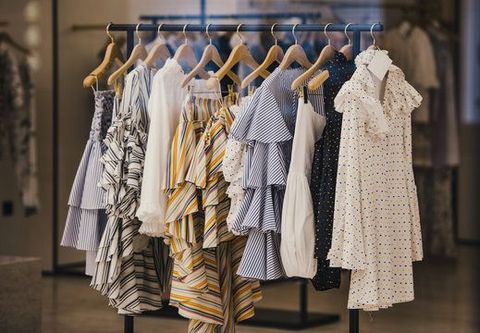
Learn About Designer Clothing: Tips, Knowledge, Styling Ideas, and Helpful Resources
Updated: November 24, 2026
Read More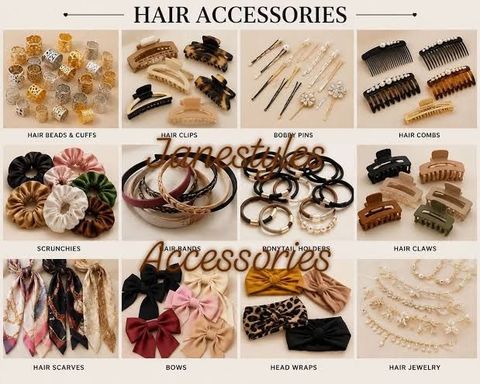
Explore Hair Accessories Designs: A Complete Guide to Styles and Trends
Updated: October 28, 2026
Read More
Learn About Luxury Watches: Tips, Knowledge, Styles, and Helpful Resources
Updated: November 24, 2026
Read More