Explore Heart Lockets: A Complete Guide to Designs, Style, and Important Detail
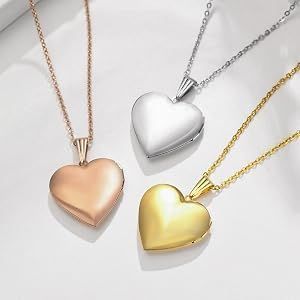
Heart lockets are jewelry pieces designed in a heart shape with a small compartment that can hold a photograph, a tiny keepsake, or another meaningful item. They are commonly worn as necklaces and are associated with personal memories, emotional connections, family relationships, and special occasions.
Unlike ordinary pendants, traditional lockets have an opening mechanism that reveals an interior space. Some designs contain one photo compartment, while others have two sections for photographs or small personal mementos.
Heart locket necklaces are available in different shapes, sizes, materials, and decorative styles. Their appearance can range from simple and minimal to detailed designs featuring gemstones, engraved patterns, and decorative metalwork.
The history of lockets is connected with the tradition of keeping small personal objects close to the body. Earlier examples were sometimes used to hold miniature portraits, written messages, or small keepsakes. Modern designs continue this tradition while incorporating contemporary jewelry-making techniques.
Common Types of Heart Locket Designs
Heart lockets differ in their construction, decoration, and intended use. Understanding these variations helps explain the characteristics of different jewelry styles.
Classic heart lockets
Classic heart lockets feature a traditional heart-shaped exterior with a hinged opening. They are often made from gold, silver, or other jewelry metals.
Common characteristics include:
Smooth or polished surfaces.
A small interior compartment.
Simple chains and fastening mechanisms.
Traditional heart-shaped outlines.
Space for miniature photographs.
Personalized heart lockets
Personalized heart lockets include individual details that make a design meaningful to its owner. Personalization may involve initials, names, dates, short messages, or photographs.
These designs are commonly associated with birthdays, anniversaries, family memories, and personal milestones.
Vintage heart lockets
Vintage-inspired designs often feature decorative borders, floral patterns, textured surfaces, and antique-style finishes. Some incorporate filigree, which is a decorative technique involving fine metal threads arranged into detailed patterns.
Modern minimalist lockets
Minimalist heart lockets focus on simple shapes, clean surfaces, and subtle decoration. They may have a small profile and lightweight construction, making them suitable for everyday styling.
Gemstone and diamond heart lockets
These designs incorporate decorative stones around the heart-shaped exterior or within the pendant itself. A diamond heart locket pendant may feature a central stone, a diamond border, or small accent stones.
The arrangement, stone setting, metal type, and overall construction influence the appearance and characteristics of the finished piece.
Materials Used in Heart Locket Jewelry
The material used in a heart locket influences its appearance, durability, maintenance requirements, and suitability for different jewelry preferences.
| Material | Main characteristics | General care |
|---|---|---|
| Sterling silver | Bright appearance and versatile styling | Clean and dry regularly |
| Yellow gold | Warm metallic appearance | Use suitable jewelry cleaning methods |
| White gold | Light-colored metallic finish | Check plating and surface condition |
| Rose gold | Pinkish metallic appearance | Avoid harsh cleaning chemicals |
| Stainless steel | Durable and generally corrosion-resistant | Clean with a soft cloth |
| Platinum | Dense precious metal with a naturally light finish | Periodic professional inspection |
Sterling silver heart lockets
Sterling silver generally contains 92.5% silver, with the remaining percentage made up of other metals, commonly copper. This composition helps improve the metal's strength compared with pure silver.
Sterling silver heart lockets are known for their bright appearance and compatibility with different chain styles. However, silver can tarnish when exposed to air, moisture, sulfur-containing substances, and certain chemicals.
Gold and luxury heart locket jewelry
Gold lockets are available in different purity levels and colors. Yellow, white, and rose gold are commonly used in jewelry design.
Luxury heart locket jewelry may incorporate precious metals, diamonds, gemstones, detailed engraving, and specialized finishing techniques. The quality of a finished piece depends on its materials, construction, and craftsmanship rather than appearance alone.
Diamond heart locket pendants
Diamond heart lockets combine a decorative heart-shaped design with diamond settings. Important characteristics include the diamond's cut, color, clarity, and carat weight.
The setting also matters because it affects how securely the stones are held. Common settings include prong, bezel, and pavé arrangements.
Engraving and Customization Techniques
Customization allows jewelry designs to include personal details without changing the basic heart-shaped structure.
Engraved heart locket necklaces may contain initials, names, dates, or short messages. Engraving can be placed on the outer surface, the back panel, or an available interior section.
Common engraving methods include:
Hand engraving: Decorative details are created manually using specialized tools.
Laser engraving: A laser marks letters or designs onto a suitable material surface.
Machine engraving: Mechanical equipment creates consistent lettering and patterns.
Photo personalization: A miniature photograph is prepared to fit the internal compartment.
Custom heart locket jewelry can also include different chain lengths, metal finishes, decorative borders, and gemstone arrangements.
Before personalization, it is important to consider available space, letter size, material compatibility, and the opening mechanism. Not every locket has enough interior space for photographs or additional keepsakes.
Choosing a Heart Locket Design
Selecting a heart locket involves understanding its intended use, construction, and physical characteristics.
Important considerations include:
Purpose: Determine whether the locket is intended for photographs, engraving, decoration, or a small keepsake.
Material: Understand the differences between sterling silver, gold, platinum, and other metals.
Size: Consider the pendant dimensions, thickness, and weight.
Opening mechanism: Check whether the hinge and closure are secure and easy to operate.
Chain compatibility: Consider chain length, thickness, and pendant attachment.
Personalization: Check whether the design supports engraving or photograph placement.
Maintenance: Understand the cleaning and storage requirements of the selected material.
A well-designed locket should have a properly aligned closure and sufficient interior space for its intended purpose.
Recent Trends and Developments in Heart Locket Jewelry
Heart locket jewelry continues to combine traditional craftsmanship with modern styling. Recent fashion developments show interest in sentimental designs, personalized accessories, and jewelry that reflects individual preferences.
Personalized jewelry trends in 2025–2026
Personalized jewelry has received attention in recent fashion coverage. Designs featuring initials, meaningful symbols, engraved details, and lockets are part of the broader interest in accessories with personal significance. A 2026 jewelry trend report published by Blue Nile discussed the growing interest in personalized pieces and lockets.
The return of heart-shaped necklaces
On 21 January 2026, British Vogue published an article discussing the renewed visibility of heart necklaces in fashion. The coverage highlighted vintage-inspired heart pendants, layered necklaces, and modern interpretations of traditional designs.
Important design trends
Some notable directions in contemporary heart locket jewelry include:
Minimalist designs: Simple heart shapes with smooth surfaces and subtle detailing.
Vintage-inspired styles: Decorative borders, floral patterns, and antique finishes.
Personalized details: Initials, names, photographs, and engraved dates.
Gemstone decoration: Diamonds, pearls, and colored gemstones incorporated into heart-shaped pendants.
Layered necklaces: Combining heart lockets with delicate chains and other pendants.
Mixed metal designs: Using different metallic colors and finishes in one jewelry composition.
These trends describe fashion developments rather than fixed rules. Personal preferences, cultural traditions, and individual styling choices continue to influence jewelry design.
Laws, Regulations, and Jewelry Standards in India
Heart locket necklaces made from precious metals may be affected by Indian standards and consumer protection regulations. Understanding metal purity, hallmarking, and product descriptions helps people identify important jewelry characteristics.
Bureau of Indian Standards (BIS) hallmarking
The Bureau of Indian Standards regulates hallmarking standards for gold and silver jewelry in India. Hallmarking provides information about the purity or fineness of precious metal articles.
For gold jewelry, mandatory hallmarking applies in notified districts under the relevant government orders. The coverage has expanded through different phases. On 2 March 2026, the sixth phase added seven districts, taking the reported total to 380 districts. The applicable district coverage should be checked against the latest notification.
Silver hallmarking developments
An important update took effect on 1 September 2025. BIS introduced HUID-based hallmarking for silver jewelry and articles on a voluntary basis.
The revised Indian Standard IS 2112:2025 provides seven silver purity grades:
| Purity grade | Silver content |
|---|---|
| 800 | 80.0% |
| 835 | 83.5% |
| 925 | 92.5% |
| 958 | 95.8% |
| 970 | 97.0% |
| 990 | 99.0% |
| 999 | 99.9% |
For silver articles that are hallmarked under the revised system, the HUID provides traceability information that can be checked through the BIS Care application. The silver hallmarking scheme remains voluntary, but HUID marking applies to silver articles hallmarked under the new system.
Consumer protection and accurate descriptions
The Consumer Protection Act, 2019 provides a framework addressing misleading representations and unfair trade practices. Jewelry descriptions should accurately identify the metal, purity, gemstones, and other relevant characteristics.
Important points to understand include:
Check the metal purity and applicable hallmark.
Understand whether a pendant contains natural or laboratory-grown diamonds.
Review gemstone and metal descriptions carefully.
Keep an authentic invoice or product documentation.
Use the BIS Care application to verify applicable HUID details.
BIS also provides information about hallmark verification and consumer protection through its official website.
Tools and Resources for Understanding Heart Lockets
Different resources can help people understand jewelry materials, design details, metal purity, and maintenance requirements.
Useful websites and digital resources
Bureau of Indian Standards: Official information about Indian jewelry standards and hallmarking.
BIS Care App: Resources for checking applicable hallmark and HUID information.
Gemological Institute of America: Educational information about diamonds, gemstones, and gem identification.
World Gold Council: Information about gold, its characteristics, and jewelry-related topics.
The Silver Institute: Research and educational information about silver.
Google Arts & Culture: A resource for exploring jewelry history, decorative arts, and historical designs.
Practical jewelry care checklist
Proper maintenance helps preserve the appearance and functionality of heart locket jewelry.
Clean the exterior with a soft, suitable jewelry cloth.
Avoid direct contact with perfumes, household chemicals, and harsh cleaning products.
Store jewelry separately to reduce scratches.
Keep photographs and keepsakes protected from moisture.
Check hinges, clasps, and chain connections periodically.
Follow material-specific cleaning instructions.
Seek professional inspection if the closure becomes loose or gemstones appear unstable.
For personalized heart lockets, photographs should be measured carefully before placement. Oversized photographs may interfere with the closing mechanism or become damaged inside the compartment.
Frequently Asked Questions
What is a heart locket necklace?
A heart locket necklace is a pendant designed in a heart shape with an opening compartment. It can hold a small photograph, keepsake, or personal item, depending on its internal design.
What materials are commonly used in heart lockets?
Common materials include sterling silver, yellow gold, white gold, rose gold, platinum, and stainless steel. Some designs also incorporate diamonds, pearls, and colored gemstones.
What makes personalized heart lockets different from traditional designs?
Personalized heart lockets include individual details such as names, initials, photographs, engraved dates, or meaningful messages. Traditional designs generally focus on classic shapes and decorative features without necessarily including personal customization.
How can sterling silver heart lockets be maintained?
Sterling silver can tarnish over time. Regular gentle cleaning, dry storage, and avoiding harsh chemicals can help maintain its appearance. Specialized silver-cleaning products should be used according to their instructions.
How can someone check the purity of a gold or silver heart locket in India?
Look for the applicable BIS hallmark and HUID details on eligible hallmarked articles. The BIS Care application provides a verification feature for applicable gold and silver HUID-marked jewelry.
Conclusion
Heart lockets combine jewelry craftsmanship, personal memories, and traditional decorative styles. From classic heart locket necklaces to personalized heart lockets, sterling silver designs, diamond pendants, and engraved jewelry, these accessories represent a wide range of materials and design possibilities.
Understanding metal purity, gemstone characteristics, engraving methods, and locket construction provides useful knowledge when exploring different styles. Recent fashion developments also show how traditional heart-shaped jewelry continues to adapt through minimalist designs, vintage influences, and personalized details.
By learning about jewelry materials, maintenance practices, and applicable Indian hallmarking standards, readers can develop a better understanding of heart locket jewelry and its important characteristics.

Related Post...
Explore Designer Bangles: A Complete Guide to Styles and Designs
Updated: October 27, 2026
Read More
Explore Resin Earrings: A Complete Guide to Designs, Styles, and Trends
Updated: October 28, 2026
Read More
Explore Heart Lockets: A Complete Guide to Designs, Style, and Important Detail
Updated: November 02, 2026
Read More