Explore Pearl Bracelet Designs: A Complete Guide to Styles, Types, and Details
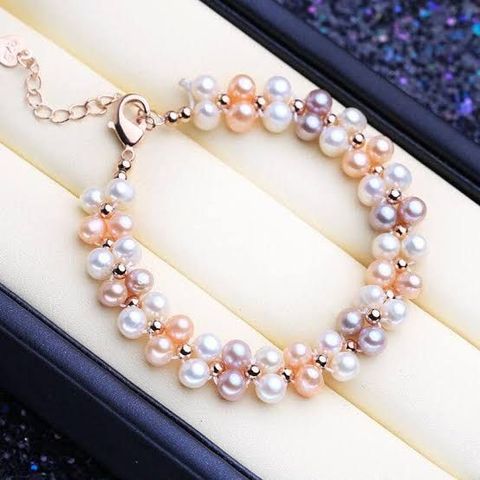
A pearl bracelet is a piece of jewelry that uses one or more pearls as its central decorative element. Pearl bracelets can be made with freshwater, Akoya, South Sea, or Tahitian pearls and may include materials such as gold, silver, gemstones, leather, or textile cords.
Pearls are organic gemstones created when a mollusk forms layers of nacre around an irritant or other stimulus. Most pearls used in contemporary jewelry are cultured pearls, meaning their formation is intentionally initiated and then allowed to develop naturally within the mollusk.
Pearl bracelets exist in many designs because pearls vary considerably in shape, size, color, surface characteristics, and luster. A traditional bracelet may use a uniform row of round pearls, while a contemporary design may combine irregular baroque pearls with gold or other materials.
The main design elements include:
Pearl type: Freshwater, Akoya, South Sea, or Tahitian.
Shape: Round, near-round, oval, button, drop, or baroque.
Luster: The intensity and sharpness of reflected light from the pearl's surface.
Color: White, cream, pink, peach, silver, gray, black, and other natural or treated shades.
Setting: The way pearls are attached to a chain, strand, clasp, or decorative structure.
Metal: Gold, silver, platinum, or other jewelry materials.
Understanding these characteristics makes it easier to compare pearl jewelry designs without relying only on appearance.
Popular Types of Pearl Bracelets
Different pearl varieties create noticeably different visual effects.
| Pearl type | Common characteristics | Typical design direction |
|---|---|---|
| Freshwater | Wide range of shapes and colors | Everyday and contemporary designs |
| Akoya | Usually round with strong luster | Classic and refined styles |
| South Sea | Generally larger pearls with satin-like luster | Statement and formal designs |
| Tahitian | Naturally darker colors and varied tones | Modern and distinctive styles |
| Baroque | Irregular, organic shapes | Artistic and contemporary designs |
A freshwater pearl bracelet can contain pearls with varied shapes and pastel tones. These characteristics make freshwater pearls suitable for designs that emphasize natural irregularity.
An Akoya pearl bracelet is often associated with round pearls and strong surface luster. Its relatively uniform appearance works well with classic bracelet structures.
South Sea pearls are known for their larger average size and satin-like luster. They can create a visually prominent bracelet without requiring a large number of pearls.
Tahitian pearls are recognized for naturally occurring dark shades, including gray, green, brown, and peacock-like overtones. Their color variation can create a distinctive appearance.
Baroque pearl bracelets use pearls with irregular shapes. Each pearl can have a different outline, making the finished piece look less symmetrical and more organic.
Pearl Bracelets for Women and Everyday Styling
Pearl bracelets for women are available in both traditional and contemporary styles. The appropriate design depends on personal preference, clothing, occasion, and desired level of visual detail.
A simple single-strand bracelet can complement formal clothing without dominating the overall appearance. A bracelet combining pearls with a thin gold chain can create a more contemporary look.
Layering is another approach. A pearl bracelet can be worn alongside a simple metal bracelet or a slim chain, provided the pieces do not repeatedly rub against each other.
For everyday styling, people may choose:
Small or medium freshwater pearls.
Minimalist pearl-and-chain designs.
Single-pearl bracelets.
Baroque pearl bracelets.
Pearl bracelets with simple clasps.
Mixed-material designs.
For formal occasions, larger pearls, multiple strands, or carefully matched pearl sets can create a more traditional appearance.
A pearl necklace can also be coordinated with a bracelet. Matching does not always mean using identical pieces; differences in length, pearl shape, or metal can create a more contemporary combination.
Gold Pearl Bracelet Designs
A gold pearl bracelet combines the organic appearance of pearls with the warm appearance of gold. The result can range from very simple to highly decorative.
Gold can appear as a chain, clasp, setting, spacer, charm, or structural element. Yellow gold creates a warm contrast with white or cream pearls, while white gold can produce a cooler visual effect.
Common designs include:
Pearl stations connected by a fine gold chain.
Alternating pearls and small gold elements.
Single pearls suspended from gold links.
Multiple pearl strands with gold clasps.
Baroque pearls attached to sculptural gold components.
Pearl and gemstone combinations.
The term luxury pearl bracelet generally describes a design positioned at the higher end of jewelry aesthetics or craftsmanship. However, the word “luxury” does not establish a specific pearl grade or quality level. Pearl type, luster, surface condition, size, matching, craftsmanship, and metal composition should be considered separately.
How to Understand Pearl Quality
Pearl quality is not determined by one characteristic. Several factors should be considered together.
Luster is one of the most important visual characteristics. A pearl with strong, sharp reflections can appear more luminous than one with a duller surface.
Surface quality refers to the presence and visibility of marks, pits, wrinkles, spots, or other surface characteristics. Natural pearls can contain imperfections, and completely uniform surfaces are not necessary for a pearl to be attractive.
Shape affects the design. Round pearls are associated with symmetry, while baroque pearls emphasize individuality and irregularity.
Size affects visual prominence. Larger pearls can create a stronger statement, while smaller pearls can produce a delicate appearance.
Matching matters when several pearls are used together. A well-matched bracelet generally has consistency in size, shape, color, and luster, although some contemporary designs deliberately mix these characteristics.
A useful comparison framework is:
Overall appearance = luster + surface + shape + color + size + matching + craftsmanship
No single factor should be treated as a complete measure of quality.
Recent Pearl Jewelry Trends
Pearl design has become more experimental during 2026. Fashion coverage published during the year has highlighted baroque shapes, mixed metals, layered jewelry, sculptural designs, and more casual ways of wearing pearls.
British Vogue reported on 8 June 2026 that pearls were appearing in both high jewelry and more casual contemporary designs, including combinations with different metals and unusual shapes.
An Indian fashion report published by Hindustan Times on 18 July 2026 highlighted baroque pearls, sculptural jewelry, mixed metals, chunky styles, and more relaxed pearl styling as notable 2026 directions.
Recent fashion coverage also shows a move away from treating pearls exclusively as formal accessories. Contemporary styling increasingly combines pearls with casual clothing, layered jewelry, and asymmetrical designs.
Important trends include:
Baroque pearls: Irregular shapes are increasingly visible in contemporary jewelry.
Mixed metals: Pearls are being combined with gold, silver, and other metal finishes.
Layering: Multiple bracelet or necklace styles can be worn together.
Sculptural settings: Designers are experimenting with unusual pearl placement.
Everyday styling: Pearls are being paired with casual clothing rather than reserved exclusively for formal occasions.
These trends describe fashion directions rather than rules. Classic round pearl designs remain relevant because personal style and occasion influence jewelry choices.
Laws, Hallmarking, and Jewelry Rules in India
Pearl jewelry in India can involve different regulatory considerations depending on the materials used. Pearls themselves are not among the precious metals covered by India's BIS hallmarking system.
The Bureau of Indian Standards states that, at present, gold and silver are the two precious metals covered under its hallmarking framework.
Therefore, a gold pearl bracelet can fall within gold hallmarking requirements because of its gold content, while the presence of pearls does not itself create a pearl hallmark.
For hallmarked gold jewelry, BIS explains that the hallmark includes the BIS Standard Mark, purity/fineness information, and a six-digit Hallmark Unique Identification (HUID) number. Consumers can verify HUID information using the BIS Care App.
India has also continued to update its hallmarking framework. BIS lists amendments to the mandatory hallmarking order in 2025 and 2026, so current requirements should be checked before making compliance decisions.
For jewelry containing precious metals, consumers can review the applicable hallmark information and documentation. BIS also states that details of hallmarked articles should be included in the relevant bill or invoice.
Tools and Resources for Pearl Jewelry Research
Reliable reference materials can help readers understand pearl varieties, metal purity, care practices, and jewelry regulations.
Useful resources include:
Bureau of Indian Standards: Information about hallmarking, standards, and consumer guidance.
BIS Care App: Useful for checking HUID information associated with hallmarked gold jewelry.
Gemological references: Educational gemology resources can help explain pearl identification, treatments, and quality characteristics.
Jewelry care guides: Manufacturer and gemological resources can provide information about cleaning and storing pearls.
Pearl comparison checklist: Record pearl type, shape, size, luster, surface characteristics, color, matching, metal composition, and clasp design before comparing pieces.
Pearls are relatively soft compared with many gemstones, so care is important. They should generally be protected from harsh chemicals, perfumes, abrasive materials, and prolonged exposure to unsuitable environments.
A practical care checklist includes:
Wipe pearls gently with a soft cloth after wearing them.
Keep pearl jewelry separated from harder gemstones.
Avoid exposing pearls to harsh cleaning chemicals.
Store them in a soft pouch or lined jewelry compartment.
Inspect strands and clasps periodically for signs of wear.
Frequently Asked Questions
What is the difference between freshwater and Akoya pearls?
Freshwater pearls are commonly produced in freshwater mussels and can have varied shapes and colors. Akoya pearls are generally associated with round shapes and strong luster. Both can be used in different bracelet designs.
Are baroque pearls lower quality because they are irregular?
No. Irregular shape describes appearance rather than automatically determining quality. Baroque pearls can have attractive luster, color, surface characteristics, and distinctive shapes that are intentionally used in contemporary designs.
What makes a gold pearl bracelet different from a regular pearl bracelet?
A gold pearl bracelet uses gold as part of its structure, setting, chain, clasp, or decorative elements. A pearl bracelet can instead use silver, textile, leather, other metals, or no visible metal framework.
How should pearl bracelets be cared for?
Pearls should be kept away from harsh chemicals and abrasive surfaces. After wearing them, gently wiping them with a soft cloth and storing them separately from harder jewelry can help reduce surface damage.
Does a pearl bracelet require a BIS hallmark in India?
Pearls themselves are not covered by India's precious-metal hallmarking system. However, if a bracelet contains hallmarked gold or silver, the applicable hallmarking requirements relate to that precious-metal component. BIS currently lists gold and silver as the metals covered by its hallmarking framework.
Conclusion
Pearl bracelet designs combine the natural characteristics of pearls with different metals, settings, shapes, and styling approaches. Understanding pearl type, luster, surface condition, shape, size, color, matching, and craftsmanship provides a more useful way to evaluate different designs.
Traditional round pearl bracelets remain an important jewelry style, while baroque pearls, mixed metals, layered designs, and sculptural settings have become prominent contemporary directions in 2026.
For readers in India, understanding the distinction between pearls and precious-metal hallmarking is also important. BIS hallmarking applies to covered precious metals such as gold and silver, while pearl characteristics are evaluated separately.
Whether the design is a simple freshwater pearl bracelet, a classic Akoya style, a gold pearl bracelet, or a more elaborate luxury pearl bracelet, informed comparison allows the wearer to understand the materials and design details rather than relying only on appearance or marketing language.

Related Post...
Explore Pearl Bracelet Designs: A Complete Guide to Styles, Types, and Details
Updated: November 07, 2026
Read More
Explore Heart Lockets: A Complete Guide to Designs, Style, and Important Detail
Updated: November 02, 2026
Read More
Explore Resin Earrings: A Complete Guide to Designs, Styles, and Trends
Updated: October 28, 2026
Read More