Learn About Acne Scar Treatment: Tips, Treatment Options, and Helpful Resources
Acne scars are changes in skin texture or appearance that can remain after acne inflammation has healed. They can develop after deeper acne lesions damage the skin and underlying tissue. Not every person who experiences acne develops permanent scarring, and different scar types require different approaches.
Acne scar treatment focuses on reducing the appearance of scars and improving skin texture. Treatment selection depends on the type and depth of scarring, skin characteristics, active acne, previous treatments, and the person's expected recovery time. The American Academy of Dermatology notes that treatment is often individualized because ice-pick, rolling, and other scar types respond differently to treatment.
Understanding Acne Scars
Acne scars are generally divided into depressed scars and raised scars. Depressed scars occur when there is a loss or alteration of tissue during the healing process, while raised scars develop when excess collagen forms.
Common depressed acne scar types include:
- Ice pick scars: Narrow, deep openings that extend into the skin.
- Boxcar scars: Wider depressions with relatively defined edges.
- Rolling scars: Broad depressions that create an uneven or wavy skin surface.
Raised scars, including hypertrophic scars and keloids, develop differently and generally require different treatment strategies.
It is also important to distinguish acne scars from post-inflammatory hyperpigmentation (PIH). Dark or brown marks left after acne may be changes in skin pigmentation rather than structural scars. Their management can therefore differ from treatment for depressed scars.
Why Acne Scar Treatment Matters
Acne scarring can remain visible for a long period and may affect how people perceive their skin. Some individuals may also experience emotional or social effects associated with noticeable scarring.
The practical goal of treatment is usually not to make every scar disappear completely. Instead, treatment may aim to make scars less noticeable, improve uneven texture, and reduce differences between scarred and unaffected skin.
Preventing additional acne can also be an important part of scar management. The AAD recommends controlling active acne before beginning many scar procedures because continuing breakouts can contribute to additional scarring.
A treatment plan may consider:
- Scar type and depth
- Number and location of scars
- Skin tone and tendency toward pigmentation changes
- Presence of active acne
- Previous acne medications
- Treatment downtime
- Potential side effects
- Individual treatment goals
Common Acne Scar Treatment Options
Several acne scar treatment methods are available. No single procedure is appropriate for every scar type.
| Treatment | General purpose | Common consideration |
|---|---|---|
| Microneedling | Stimulates collagen production | Often used for depressed scars |
| Fractional laser | Resurfaces and remodels skin | Pigmentation and recovery need consideration |
| Chemical peel | Promotes exfoliation and skin remodeling | Strength and suitability vary |
| Subcision | Releases scar tissue beneath the skin | Particularly considered for tethered scars |
| Dermabrasion | Removes deeper layers of skin | More intensive procedure |
| Radiofrequency microneedling | Combines needling with radiofrequency energy | May provide a different recovery profile |
| Fillers | Adds volume beneath selected depressed scars | Results and duration vary |
The AAD describes microneedling as a collagen-induction procedure and notes that dermatologists may combine it with treatments such as radiofrequency, chemical peels, or platelet-rich plasma. Laser resurfacing is another option for selected depressed scars.
Laser Acne Scar Treatment
Laser acne scar treatment uses controlled light energy to alter or remodel targeted skin tissue. Fractional lasers create microscopic treatment zones while leaving surrounding skin intact, allowing the body to repair the treated areas.
Fractional CO₂ laser treatment is one approach used for acne scar resurfacing. Recent research continues to compare fractional laser treatments with microneedling and radiofrequency-based procedures.
A 2026 meta-analysis found that fractional CO₂ laser and microneedling had broadly comparable effectiveness for atrophic acne scars, while fractional CO₂ laser showed a higher risk of post-inflammatory hyperpigmentation than standard microneedling in the analyzed studies.
This is particularly relevant for people whose skin is more prone to pigmentation changes. Treatment parameters and patient characteristics can influence outcomes, so laser treatment should be selected following an appropriate dermatological assessment.
Microneedling and Radiofrequency Microneedling
Microneedling uses very small needles to create controlled micro-injuries in the skin. The healing process stimulates collagen and elastin production, which can gradually improve the appearance of some depressed scars.
Radiofrequency microneedling combines this technique with radiofrequency energy. Recent evidence suggests that it can improve atrophic acne scars and may have tolerability advantages compared with some ablative laser approaches, although current comparative evidence does not establish that it is universally superior to fractional laser treatment.
A 2026 systematic review comparing microneedling with chemical peels found no clear overall superiority between the two approaches for clinically significant improvement in atrophic acne scars. This supports the importance of individualized treatment selection rather than assuming that one procedure is best for everyone.
Chemical Peels, Subcision, and Other Approaches
Chemical peels use controlled chemical exfoliation to affect the outer layers of skin. Depending on the formulation and concentration, they may be used for certain acne scars or accompanying pigmentation concerns.
Subcision is a procedure in which a needle or similar instrument is used beneath the skin to release fibrous bands that pull some depressed scars downward. It may be considered particularly when rolling scars are tethered to deeper tissue.
Dermabrasion involves controlled removal of skin layers and is more intensive than superficial exfoliation. The AAD identifies dermabrasion as a procedure that can stimulate collagen production and make certain acne scars less noticeable.
Some depressed scars may also be treated with fillers or minor scar surgery. Raised scars and keloids require different approaches because their underlying biology differs from that of depressed scars.
Recent Research and Developments
Research into acne scar treatment has continued to focus on combination procedures and individualized treatment.
A systematic review and network meta-analysis published in 2025 evaluated 68 randomized controlled trials involving 4,480 people. The analysis found that some combination approaches, particularly laser combined with PRP or fillers, ranked favorably for certain outcome measures. However, treatment rankings depend on the outcome being measured, and clinical decisions still require consideration of individual circumstances.
More recent research published in 2026 has continued examining combinations such as fractional CO₂ laser with subcision or PRP, microneedling-based treatments, and radiofrequency approaches. The evidence suggests that combination treatments can be useful for some moderate-to-severe atrophic scars, but researchers continue to call for larger and longer studies.
These findings indicate a broader movement toward tailoring treatment to scar characteristics rather than using one procedure for all acne scars.
Laws, Regulation, and Policies in India
Acne scar treatment involves both medical procedures and skincare products, so different regulatory frameworks can apply.
In India, cosmetics are regulated under the Drugs and Cosmetics Act, 1940 and the Cosmetics Rules, 2020. The Central Drugs Standard Control Organisation (CDSCO) explains that cosmetic manufacturing is regulated through state licensing authorities, while imported cosmetics are subject to central registration requirements.
In May 2026, CDSCO issued a public notice clarifying that injectable preparations do not fall within the definition of cosmetics and that cosmetics are not permitted to be used as injections by consumers, professionals, or aesthetic clinics.
This distinction is important because topical acne scar creams and gels are different from medical procedures or injectable products.
For procedures such as laser resurfacing, microneedling, chemical peels, or subcision, individuals should verify that the procedure is being performed by an appropriately qualified healthcare professional and that applicable clinical and facility requirements are followed.
Helpful Tools and Resources
Reliable information can help people understand acne scars before discussing treatment options with a dermatologist.
Dermatology resources: The American Academy of Dermatology provides educational material covering acne scars, treatment approaches, skin care, and prevention.
PubMed: This database can be used to locate peer-reviewed studies and systematic reviews about laser treatment, microneedling, chemical peels, and other acne scar procedures.
Skin-care records: Keeping a simple record of acne treatments, previous procedures, products used, and reactions can help a dermatologist understand treatment history.
Photo documentation: Consistent photographs taken under similar lighting can help track changes over time, although photographs should not replace professional clinical assessment.
Product ingredient references: For topical skincare products, checking active ingredients and following labeled directions can help avoid inappropriate combinations or excessive use.
Frequently Asked Questions
Can acne scars disappear completely on their own?
Some acne marks can gradually fade, but true structural acne scars rarely disappear completely without treatment. The degree of improvement varies by scar type and individual skin characteristics.
Which treatment is best for acne scars?
There is no single best treatment for every scar. Ice-pick, boxcar, rolling, and raised scars can require different approaches. A dermatologist can determine which method is appropriate after evaluating the skin.
Is microneedling useful for acne scars?
Microneedling can stimulate collagen production and may improve the appearance of certain depressed acne scars. Recent research suggests it can be effective, but outcomes vary and it is not appropriate for every scar type.
Can acne scar treatment cause pigmentation changes?
Yes. Some procedures, particularly certain laser treatments, can cause temporary or persistent pigmentation changes. Recent comparative evidence found a higher risk of post-inflammatory hyperpigmentation with fractional CO₂ laser than standard microneedling in the analyzed studies.
Should active acne be treated before acne scars?
Often, yes. Controlling active acne can help prevent new scars from developing and may form part of the treatment plan before procedures for existing scars.
Conclusion
Acne scar treatment includes several approaches, ranging from topical skincare to procedures such as microneedling, chemical peels, laser resurfacing, radiofrequency microneedling, subcision, and dermabrasion. The appropriate method depends largely on scar type, skin characteristics, active acne, and treatment goals.
Recent research increasingly examines combination approaches, while also highlighting the need for individualized decisions and further high-quality evidence.
For people researching acne scar treatment options in India, reliable medical information, peer-reviewed research, and applicable regulatory guidance can provide a useful starting point. Because procedures can have side effects and different scars respond differently, treatment decisions are best made after assessment by a qualified dermatology professional.

Related Post...

Learn About Smart City Infrastructure Tools: Tips, Knowledge, and Helpful Resources
Updated: November 17, 2026
Read More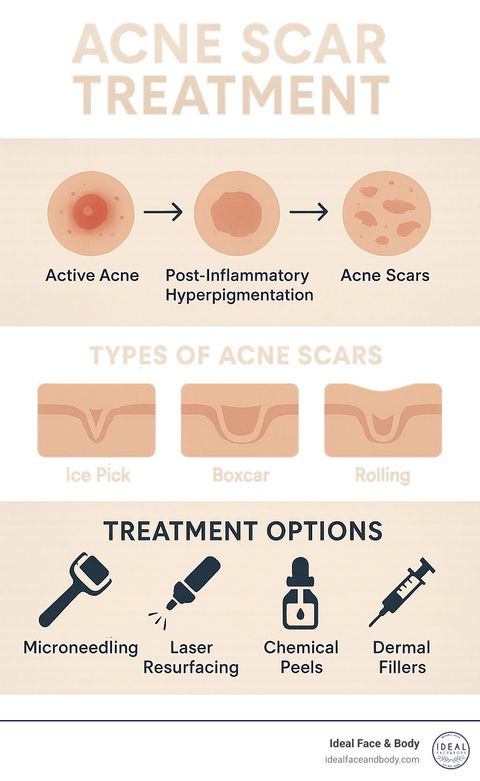
Learn About Acne Scar Treatment: Tips, Treatment Options, and Helpful Resources
Updated: November 18, 2026
Read More
Understanding Accounting Software: Essential Facts, Functions, and Practical Details
Updated: November 16, 2026
Read More