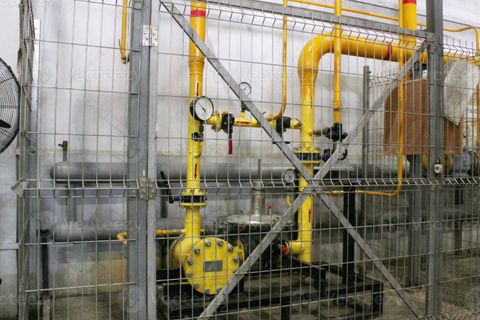
Learn About Gas Power Systems: Useful Knowledge, Tips, and Resources
Gas power systems are electricity-generation systems that use gaseous fuels, mainly natural gas, to produce electrical energy. A typical system uses a gas turbine to convert the energy released during fuel combustion into mechanical energy, which then drives a generator.
Gas turbine power generation can operate in different configurations. In a simple-cycle system, the gas turbine directly drives the generator. In a combined-cycle power plant, the hot exhaust gases from the gas turbine are used to produce steam, which drives an additional steam turbine. This allows more of the fuel's energy to be converted into electricity.
Natural gas power generation exists because electricity demand can vary throughout the day and across seasons. Gas-based generating units can be useful when the power system needs flexible generation alongside other sources.
A gas power system generally includes several major components:
Natural gas supply and fuel-handling equipment
Gas turbine and combustion system
Generator
Heat-recovery equipment in combined-cycle plants
Steam turbine in combined-cycle configurations
Cooling and auxiliary systems
Electrical switchgear and grid connection equipment
Monitoring and control systems
The basic process is straightforward: fuel is mixed with air and combusted, the resulting hot gases expand through turbine blades, and the turbine rotates a generator to produce electricity.
Why Gas Power Generation Matters
Gas power generation has an important role in electricity systems because electricity demand is not constant. Solar and wind generation can also vary according to weather and time of day. Gas turbine systems can therefore complement other generating technologies when additional flexibility is needed.
The role of gas-based generation is particularly relevant in discussions about grid balancing. A generating unit that can adjust its output can help system operators respond to changes in demand or variations in renewable generation.
Gas power systems can also be important for regions where natural gas infrastructure is already available. Their usefulness, however, depends on fuel availability, plant design, operating conditions, environmental requirements, and the wider electricity system.
According to Ministry of Power data, natural gas generation increased from about 23,884 million units in 2022–23 to about 31,296 million units in 2023–24. For April–December, generation increased from about 23,904 million units in 2023–24 to about 26,536 million units in 2024–25.
| Indicator | Earlier period | Later period |
|---|---|---|
| Natural gas generation | 23,884 MU in 2022–23 | 31,296 MU in 2023–24 |
| Natural gas generation, Apr–Dec | 23,904 MU in 2023–24 | 26,536 MU in 2024–25 |
| Share of total generation, Apr–Dec | 1.83% | 1.92% |
These figures show that natural gas remains a relatively small part of India's overall electricity generation mix, while still contributing to the broader thermal generation system.
How Gas Turbine Systems Work
A gas turbine system operates through a sequence of energy conversions.
First, air enters the compressor, where its pressure is increased. Natural gas is then introduced into the combustion chamber and burned with the compressed air. The resulting high-temperature gases expand through the turbine.
The turbine's rotating shaft is connected to an electrical generator. As the shaft rotates, the generator converts mechanical energy into electrical energy.
In a combined-cycle arrangement, the exhaust gases still contain substantial heat. A heat recovery steam generator captures this heat and uses it to produce steam. The steam can then drive a steam turbine and generate additional electricity.
This configuration can improve overall thermal efficiency compared with a simple-cycle arrangement because more energy from the fuel is utilized.
Key performance factors include:
Turbine efficiency
Combustion conditions
Ambient temperature
Pressure ratio
Fuel quality
Operating load
Maintenance condition
Heat recovery performance
Cooling-system performance
Recent Developments and Trends
India's electricity sector has been undergoing significant changes, particularly as renewable generation and energy storage expand.
A notable development is the Draft National Electricity Policy 2026, issued by the Ministry of Power on 20 January 2026 for stakeholder comments. The draft recognizes that gas-based power plants have faced limited utilization because of domestic gas availability and the relatively high cost of imported LNG. It proposes exploring their role in peaking and balancing and discusses flexible gas-supply arrangements.
The draft policy also places gas generation within a broader transition toward a power system containing larger amounts of variable renewable energy and storage. This suggests that future gas turbine systems may increasingly be considered for flexibility and balancing rather than simply continuous generation.
Another important development occurred on 13 March 2026, when the Government notified the Electricity (Amendment) Rules, 2026. The amendment revised Rule 3 concerning captive generating plants and clarified definitions and requirements related to captive generation.
The Central Electricity Authority has also continued work on technical standards. Its 2026 regulatory agenda includes amendments concerning construction standards for electrical plants and electric lines, while draft connectivity and other technical regulations were also opened for stakeholder comments during 2026.
Environmental regulation is another developing area. India's Greenhouse Gas Emission Intensity Target Rules, 2025 were published on 8 October 2025, followed by amendment rules on 13 January 2026 covering additional sectors under the Carbon Credit Trading Scheme.
These developments indicate that gas power systems are increasingly being considered alongside renewable energy, storage, emissions management, and grid flexibility.
Laws, Policies, and Regulatory Framework in India
Gas-based electricity generation in India operates within the country's wider electricity and environmental regulatory framework.
The Electricity Act, 2003 provides the central legal framework for electricity generation, transmission, distribution, and related activities. The Central Electricity Authority performs functions under the Act relating to areas such as grid standards, safety, electricity planning, and technical regulations.
The Electricity Rules, 2005 provide additional requirements under the Electricity Act. These rules have been amended over time, including the Electricity (Amendment) Rules, 2026.
Technical requirements for generating stations are also governed through CEA regulations. These can address matters such as electrical performance, protection systems, equipment standards, and grid-related requirements. CEA's regulatory material includes provisions applicable to generating units and gas turbines.
Environmental compliance is another important consideration. Depending on the plant and applicable requirements, operators may need to consider emissions, environmental clearances, monitoring, and pollution-control requirements. The Ministry of Environment, Forest and Climate Change has continued to update environmental and greenhouse-gas-related rules during 2025 and 2026.
For anyone studying gas power generation, it is important to check the latest notifications from the Ministry of Power, CEA, MoEFCC, CPCB, and relevant electricity regulatory authorities because technical and environmental requirements can change.
Useful Tools and Resources for Learning
Several resources can help readers understand gas turbine systems and electricity generation more effectively.
Central Electricity Authority: Useful for electricity statistics, technical regulations, generating-station standards, and power-sector publications.
Ministry of Power: Provides national electricity policies, rules, notifications, annual reports, and information about developments in India's electricity sector.
Ministry of Petroleum and Natural Gas: Useful for information about natural gas infrastructure, fuel policy, and India's broader gas sector.
Bureau of Energy Efficiency: Helpful for learning about energy efficiency, energy management, and India's carbon-market framework.
CERC and State Electricity Regulatory Commissions: Useful for understanding electricity-market regulations, tariffs, grid-related procedures, and regulatory decisions.
For technical study, learners can also use turbine performance calculators, heat-rate calculators, energy-balance worksheets, emissions calculators, and spreadsheet models. These tools can help estimate efficiency, fuel consumption, heat recovery, and generation performance.
Frequently Asked Questions
What is a gas power system?
A gas power system is an electricity-generation system that uses gaseous fuel, usually natural gas, to drive a turbine and generator. It may use a simple-cycle or combined-cycle configuration.
What is gas turbine power generation?
Gas turbine power generation uses combustion gases to rotate turbine blades. The rotating turbine drives a generator that converts mechanical energy into electricity.
What is the difference between simple-cycle and combined-cycle generation?
A simple-cycle plant uses the gas turbine directly for electricity generation. A combined-cycle plant also captures exhaust heat to produce steam and generate additional electricity through a steam turbine.
Why are gas turbine systems used for grid flexibility?
Gas turbine systems can be designed for relatively flexible operation. This can make them useful when electricity demand changes or when renewable generation varies.
Is natural gas power generation renewable energy?
No. Natural gas is a fossil fuel, so natural gas power generation is classified as thermal generation rather than renewable generation. Its role in the electricity mix must therefore be considered alongside emissions targets and the growth of low-carbon energy sources.
Conclusion
Gas power systems remain an important part of the electricity-generation landscape, particularly where flexible generation and grid balancing are required. Gas turbine power generation can be configured as simple-cycle or combined-cycle generation, with combined-cycle systems using exhaust heat to produce additional electricity.
In India, the role of natural gas power generation is being reconsidered as electricity demand grows and renewable energy and storage become more prominent. The Draft National Electricity Policy 2026 specifically discusses the potential role of gas-based plants in peaking and balancing.
At the same time, electricity regulations, technical standards, environmental rules, and greenhouse-gas policies continue to evolve. Understanding these developments provides a clearer picture of how gas turbine systems fit into India's changing power sector.
For students, researchers, energy professionals, and general readers, learning the fundamentals of gas turbine technology, combined-cycle operation, grid integration, efficiency, emissions, and regulatory requirements provides a useful foundation for understanding modern power generation.

Related Post...

Understanding Digital Document Management: Essential Tools, Benefits, and Details
Updated: November 11, 2026
Read More
Learn OCT Machine Basics: Facts, Details, and Practical Suggestions
Updated: November 07, 2026
Read More
Explore PPC Strategies to Maximize ROI: A Complete Guide to Campaign Optimization
Updated: November 07, 2026
Read More