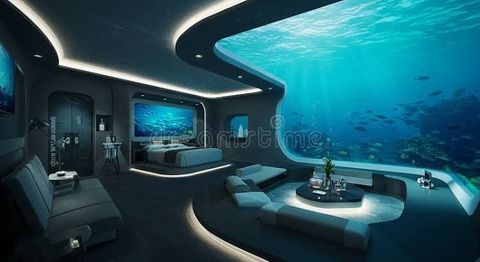
Learn About Private Island Hotel Escapes: Tips, Knowledge, and Helpful Resources
Private island hotel escapes refer to accommodation experiences located on islands where visitors stay in a relatively secluded environment, often surrounded by beaches, forests, lagoons, or other natural landscapes. These properties can range from small island lodges to larger resorts designed around privacy, nature, recreation, and relaxation.
The term private island hotel does not always mean that an entire island is exclusively occupied by one guest or group. In many cases, it describes a hotel or resort situated on an island or a property that provides a higher degree of privacy than conventional urban or coastal accommodation.
A private island resort may include guest rooms, villas, dining areas, recreational facilities, transportation arrangements, and outdoor activities. The exact facilities vary according to the destination, geography, environmental conditions, and local regulations.
Common characteristics include:
- Secluded or low-density surroundings
- Beach, lagoon, forest, or coastal landscapes
- Water-based recreational activities
- Nature-oriented experiences
- Limited accommodation capacity
- Transportation by boat, ferry, or aircraft in some locations
- Greater emphasis on privacy and peaceful surroundings
Private island accommodation can therefore be understood as a specialized part of the wider tourism and hospitality sector rather than a single type of property.
Why Private Island Accommodation Matters Today
Interest in island destinations is closely connected with changing travel preferences. Many travelers look for quieter environments, natural surroundings, outdoor activities, and experiences that differ from densely populated tourist centers.
Private island hotels can also support tourism in geographically remote areas. When appropriately planned, tourism infrastructure may create opportunities for local transportation, food production, cultural activities, environmental programs, and other parts of the local economy.
However, island tourism also presents particular challenges. Islands may have limited freshwater, electricity, waste-management capacity, transportation infrastructure, and land availability. Environmental pressures can become significant when visitor numbers increase beyond what local ecosystems can comfortably support.
This makes responsible planning especially important.
For travelers researching a luxury private island resort, several practical factors can be considered:
- Location and accessibility
- Seasonal weather conditions
- Transportation arrangements
- Environmental practices
- Water and energy management
- Emergency and medical facilities
- Local cultural considerations
- Accessibility requirements
- Activity and safety guidelines
These considerations can help people compare different destinations based on information rather than promotional claims.
Key Considerations for Private Island Rentals
The phrase private island rentals can describe different arrangements. In some destinations, an entire island may be available for exclusive use, while in others, the term may refer to a private villa or accommodation located on an island.
Before selecting an arrangement, travelers should verify what is actually included and how the property is operated.
| Factor | What to Check |
|---|---|
| Location | Island, country, nearby mainland and surrounding region |
| Access | Boat, ferry, aircraft or other transportation |
| Accommodation | Hotel room, villa, lodge or entire-property arrangement |
| Environment | Marine ecosystem, vegetation and protected areas |
| Utilities | Electricity, water supply and waste management |
| Activities | Swimming, diving, hiking, boating and cultural activities |
| Safety | Emergency procedures and communication facilities |
| Regulations | Local tourism, environmental and coastal requirements |
This distinction is particularly useful because the word “private” can have different meanings across accommodation listings.
Recent Trends in Island Tourism
Island tourism has increasingly placed attention on sustainability, environmental protection, and community participation. Recent tourism strategies have also emphasized the relationship between visitor experiences and the long-term protection of natural and cultural resources.
In India, the Ministry of Tourism continues to maintain national strategies related to sustainable tourism and ecotourism. Its published guidance includes the National Strategy for Sustainable Tourism 2022 and the National Strategy for Eco Tourism 2022.
The Ministry's Travel for LiFE initiative also encourages sustainability within tourism. The NIDHI+ platform provides a framework through which accommodation units and tourism-related entities can pursue sustainability certification.
International tourism discussions have similarly placed greater emphasis on sustainability, governance, cultural preservation, and community wellbeing. For example, UN Tourism's 2026 Best Tourism Villages initiative evaluates destinations using criteria that include sustainability, governance, natural and cultural heritage, infrastructure, and community wellbeing.
Another important development in India occurred on 16 March 2026, when the Ministry of Tourism discontinued its voluntary scheme for project approvals for hospitality units at the construction or pre-construction stage. The NIDHI+ portal states that fresh applications under that scheme are no longer being accepted from that date.
These developments illustrate a broader shift toward structured tourism planning, sustainability, and clearer regulatory processes.
Environmental and Tourism Policies in India
Private island hotels and resorts in India can be affected by several layers of regulation. The exact requirements depend on the island's location, environmental status, coastal classification, and the type of development involved.
India's Ministry of Tourism has accommodation-related guidelines, while NIDHI+ categorizes accommodation units such as hotels and resorts. Its definition describes a resort as accommodation located at tourist destinations that combines stay facilities with leisure activities.
Coastal developments can also be affected by Coastal Regulation Zone (CRZ) requirements. Government tourism documentation notes that hotels may need relevant clearances relating to CRZ, environment and forests, pollution control, fire safety, police, and local authorities, depending on the circumstances.
Environmentally sensitive locations require additional attention. The Ministry of Environment, Forest and Climate Change explains that Eco-Sensitive Zones are intended to protect environmentally important areas while regulating development activities.
In protected or environmentally sensitive areas, construction and tourism activities can be subject to specific restrictions. For example, applicable notifications may regulate or restrict new hotels, resorts, construction, waste discharge, groundwater extraction, and other activities.
Therefore, an island's legal status should be checked before assuming that accommodation development or tourism activity is permitted.
Useful Tools and Resources for Planning
Several resources can help travelers and researchers understand private island destinations more systematically.
NIDHI+
The Ministry of Tourism's NIDHI+ platform provides information relating to accommodation units and tourism-sector guidelines. It can be useful for understanding India's hospitality framework.
Ministry of Tourism
The Ministry's website provides national tourism policies, strategies, guidelines, and information relating to tourism development in India.
Ministry of Environment, Forest and Climate Change
This is an important resource for understanding environmental regulations, Eco-Sensitive Zones, coastal matters, and environmental policy.
Travel planning checklist
A simple research checklist can include:
- Destination and island location
- Seasonal climate
- Transportation method
- Accommodation category
- Environmental conditions
- Local regulations
- Emergency arrangements
- Sustainability practices
- Cultural considerations
- Accessibility information
Using several independent sources can help travelers distinguish factual information from promotional descriptions.
Frequently Asked Questions
What is a private island hotel?
A private island hotel is an accommodation property located on an island or in an isolated island setting. The term can describe different accommodation models and does not necessarily mean that the entire island is exclusively occupied by one guest or group.
Are private island resorts always located on completely private islands?
No. The term can be used for different types of island accommodation. Some properties occupy an entire island, while others operate on an island shared with local communities, other businesses, or public areas.
What should travelers consider before visiting a private island resort?
Important considerations include location, transportation, seasonal weather, accommodation arrangements, environmental conditions, safety procedures, accessibility, and applicable local regulations.
Are private island hotels environmentally sustainable by default?
No. Island location alone does not establish sustainability. Environmental performance depends on factors such as energy use, water management, wastewater treatment, waste reduction, construction practices, biodiversity protection, and interaction with local communities.
Can private island accommodation be affected by environmental regulations in India?
Yes. Depending on the location, coastal, environmental, protected-area, local planning, and tourism regulations may apply. Requirements can differ substantially between destinations, so the applicable authorities and current rules should be checked for a specific island.
Conclusion
Private island hotel escapes represent a distinctive area of tourism that combines accommodation with natural landscapes, geographical isolation, and outdoor experiences. Understanding the terminology is important because phrases such as private island hotel, private island resort, and private island rentals can describe different accommodation arrangements.
For travelers researching a luxury island resort, the most useful approach is to look beyond appearance and consider accessibility, environmental conditions, safety, local regulations, and sustainability practices.
India's tourism framework increasingly emphasizes sustainable tourism, environmental responsibility, and organized hospitality information. Resources such as NIDHI+, the Ministry of Tourism, and the Ministry of Environment, Forest and Climate Change can provide useful starting points for understanding the regulatory and sustainability context.
A well-researched approach allows travelers to understand what a private island experience actually involves and make decisions based on reliable information, local conditions, and responsible tourism principles.

Related Post...
Explore Green Transportation: A Complete Guide to Sustainable Travel and Eco-Friendly Mobility
Updated: October 26, 2026
Read More
Explore Underwater Hotels: A Complete Guide to Features, Design, and Experience
Updated: November 01, 2026
Read More
Explore Quick Trip Planning Techniques: A Guide to Essential Tips and Practical Advice
Updated: October 23, 2026
Read More