Learn About Ice Hotels in the Arctic: Tips, Knowledge, and Helpful Resources
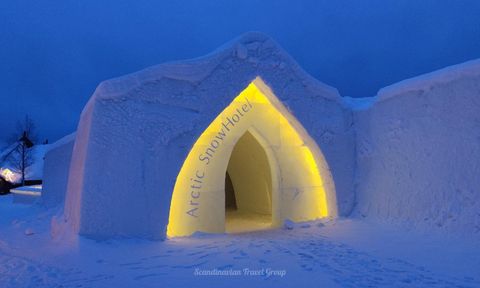
Ice hotels are temporary or permanent accommodation structures designed using snow, ice, or a combination of both. They are particularly associated with northern regions where winter temperatures allow frozen structures to remain stable. Some Arctic ice hotels are rebuilt every winter, while newer concepts combine seasonal ice rooms with permanent facilities.
The idea developed from the wider tradition of creating temporary winter structures from natural materials. Modern ice hotels combine architectural design, ice sculpture, lighting, thermal planning, and tourism. Rooms may contain carved ice walls, snow furniture, artistic installations, and specially designed sleeping areas.
One well-known example is ICEHOTEL in Jukkasjärvi, Swedish Lapland. Its winter version is rebuilt annually, while ICEHOTEL 365 provides ice-and-snow accommodation throughout the year. The winter property generally operates from December through April.
Ice hotels should not be confused with ordinary Arctic hotels that simply operate in cold climates. The defining feature is the use of frozen materials as a major part of the building or guest environment.
Why Arctic Ice Hotels Matter Today
Ice hotels are important because they connect architecture, tourism, art, climate, and local culture in a single environment. They also provide an example of how tourism experiences can be designed around seasonal environmental conditions.
For visitors, an ice hotel experience can provide an opportunity to learn about:
- Arctic winter conditions and seasonal changes
- Snow and ice construction techniques
- Cold-climate architecture
- Ice sculpture and temporary art
- Local traditions and Arctic landscapes
- Responsible tourism in sensitive environments
The topic also matters to communities and tourism planners. Arctic tourism can contribute to local economic activity, but it needs to be managed carefully because northern environments can be environmentally and culturally sensitive.
The Arctic Council's current goals specifically include environmentally and culturally sustainable tourism, along with sustainable economic development and respect for Indigenous Peoples and traditional ways of living.
For travelers, planning is also important. Arctic accommodation can involve extremely cold outdoor conditions, limited daylight during parts of winter, changing weather, and remote transportation routes. Understanding these factors can make an Arctic winter trip safer and more practical.
Main Types of Ice and Snow Accommodation
Ice hotels are not all designed in the same way. Their structure and operating model can vary considerably.
| Type | Main Characteristics | Typical Use |
|---|---|---|
| Seasonal ice hotel | Rebuilt during winter and allowed to melt later | Winter tourism |
| Ice hotel with warm rooms | Combines cold ice rooms with heated accommodation | Flexible Arctic stays |
| Snow hotel | Mainly constructed from compacted snow | Winter accommodation |
| Ice suite | Individually designed frozen room | Art and architecture experience |
| Year-round ice accommodation | Uses refrigeration or specialized systems | Extended-season visits |
| Igloo-style accommodation | Dome-shaped snow or ice structures | Arctic and winter tourism |
The construction process can also differ. Some properties use naturally harvested river ice, while others rely heavily on snow. At ICEHOTEL, for example, around 2,000 tonnes of natural ice from the Torne River are used for the annual winter edition. Icehotel AB
What an Ice Hotel Room Is Like
Ice hotel rooms are generally maintained at temperatures below freezing. This means guests need appropriate thermal sleeping systems and clothing. The experience is different from staying in a conventional heated room.
A typical ice hotel room may include:
- Sculpted ice walls and artistic decorations
- Snow or ice furniture
- Thermal sleeping bags
- Insulated bedding systems
- Access to nearby heated facilities
- Changing or washroom facilities in warmer areas
- Individually designed art features
Many properties also provide warm accommodation alongside ice rooms. This arrangement allows visitors to experience the frozen environment without spending their entire trip in a below-freezing room.
The exact room temperature, sleeping system, facilities, and operating period vary by property, so travelers should always check the current accommodation guide before planning an Arctic hotel stay.
Recent Developments in Arctic Ice Hotels
The 2026–27 winter season has brought several notable developments in the ice hotel sector. In Sweden, ICEHOTEL announced its 37th winter edition, scheduled to open on 11 December 2026 in Jukkasjärvi. The project includes 16 art projects, 12 art suites, and work by artists from multiple countries.
Another notable development is the expansion of year-round frozen architecture. ICEHOTEL 365 is marking its tenth anniversary in 2026 and has introduced a podcast studio constructed entirely from ice and snow.
The wider Arctic tourism sector is also paying greater attention to environmental change. Research published in November 2025 examined how accelerating permafrost degradation could create additional risks for Arctic tourism, particularly in destinations where changing ground conditions affect infrastructure and outdoor travel.
These developments show that Arctic accommodation is evolving beyond simple seasonal lodging. Architecture, technology, art, environmental awareness, and tourism planning are increasingly connected.
Laws, Policies, and Responsible Arctic Tourism
There is no single law governing every ice hotel across the Arctic because the region includes several countries and jurisdictions. Rules depend on the destination, including national, regional, municipal, environmental, building, tourism, and land-use regulations.
Ice hotels can be affected by policies relating to:
- Building and structural safety
- Fire and emergency preparedness
- Environmental protection
- Waste and wastewater management
- Protected areas
- Wildlife protection
- Transportation and access
- Local tourism regulations
- Indigenous and cultural considerations
Responsible tourism is particularly important in Arctic environments. The Arctic Council's 2030 goals call for environmentally and culturally sustainable tourism and emphasize respect for Indigenous Peoples, traditional ways of living, and Arctic communities.
Travelers should therefore follow local guidance, remain on designated routes where required, respect wildlife and protected areas, and avoid disturbing culturally important locations.
Helpful Tools and Resources for Arctic Travel
Planning an Arctic hotel experience requires more than choosing accommodation. Weather, daylight, transportation, clothing, and local conditions can all influence the trip.
Useful resources include:
- Official hotel accommodation guides: Check room types, seasonal dates, sleeping arrangements, and current operating information.
- Weather applications: Monitor temperature, snowfall, wind, and changing conditions before outdoor activities.
- Maps and navigation apps: Useful for understanding distances between airports, towns, accommodation, and attractions.
- Aurora forecasts: Helpful when planning northern-lights viewing in suitable Arctic destinations.
- Government travel advisories: Check current entry, transportation, and safety information for the destination country.
- Local tourism organizations: These can provide destination information, seasonal travel guidance, and regional updates.
- Arctic Council resources: Useful for understanding sustainability, environmental issues, Indigenous perspectives, and responsible Arctic development.
A simple planning checklist can include:
Before travel: Confirm operating dates, weather conditions, transportation arrangements, documentation, clothing requirements, and accommodation details.
During travel: Follow local safety instructions, protect yourself from extreme cold, respect wildlife and local communities, and follow environmental guidelines.
After travel: Consider the environmental impact of transportation and activities and follow local waste-management practices.
Frequently Asked Questions
What are ice hotels in the Arctic?
Ice hotels are accommodation structures made partly or substantially from snow and ice. Some are rebuilt every winter, while others use specialized systems to maintain frozen areas throughout the year.
Are ice hotel rooms actually below freezing?
Many traditional ice rooms are maintained below 0°C. Guests generally use specialized thermal sleeping systems, while changing and other facilities may be located in heated areas.
When is the best time to visit an Arctic ice hotel?
For seasonal ice hotels, the main period is usually winter, often from December into early spring. Exact dates vary by destination and weather conditions.
Are ice hotels available throughout the year?
Some are seasonal, while others have year-round frozen accommodation. ICEHOTEL 365 in Sweden is an example of a year-round facility containing ice-and-snow suites. ICEHOTEL
What should travelers consider before staying in an ice hotel?
Travelers should consider cold-weather clothing, sleeping arrangements, transportation, daylight conditions, weather forecasts, health and safety guidance, and the property's current operating schedule.
Conclusion
Ice hotels in the Arctic represent a distinctive combination of architecture, winter tourism, art, and environmental conditions. Unlike conventional Arctic hotels, these properties use snow and ice as important elements of their design, creating spaces that can change with the seasons.
The sector is also evolving. The 2026–27 season includes new artistic concepts and year-round frozen accommodation, while wider Arctic tourism discussions increasingly focus on sustainability, environmental change, local communities, and Indigenous perspectives.
For anyone researching Arctic accommodation, understanding seasonal conditions, room types, local regulations, environmental considerations, and reliable travel resources is essential. With careful planning and respect for Arctic environments and communities, ice hotels can be understood not only as unusual places to stay but also as examples of how architecture and tourism adapt to extreme seasonal environments.

Related Post...

Explore Student Hostel Networks: An Informative Guide to Connectivity, Services, and Details
Updated: November 13, 2026
Read More
Explore Quick Trip Planning Techniques: A Guide to Essential Tips and Practical Advice
Updated: October 23, 2026
Read More
Learn About Private Island Hotel Escapes: Tips, Knowledge, and Helpful Resources
Updated: November 12, 2026
Read More